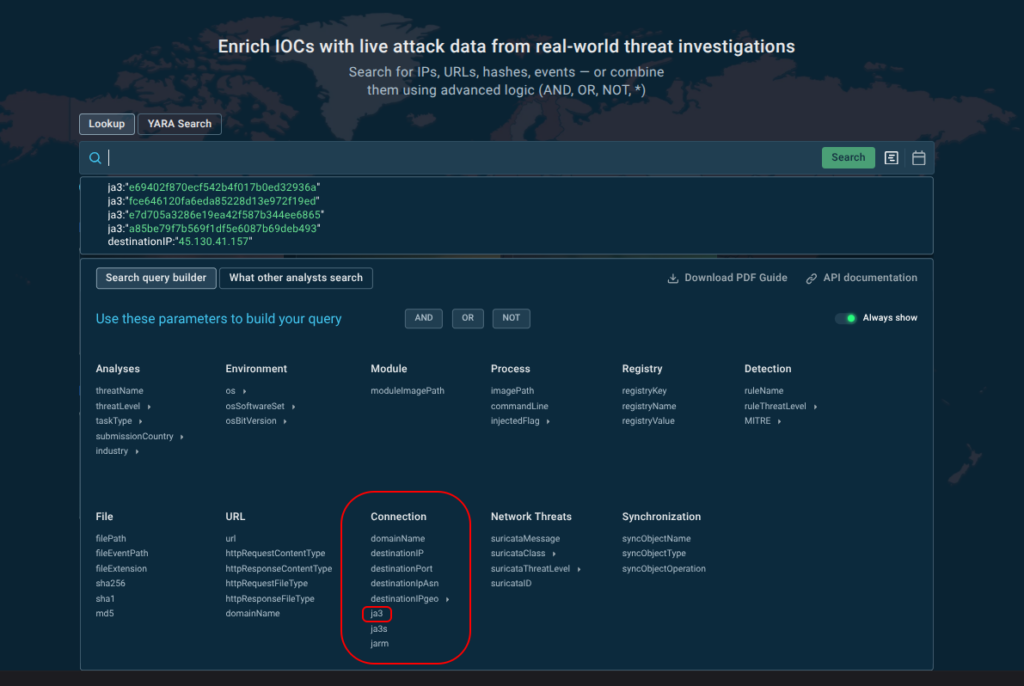
JA3 TLS fingerprints are still useful as durable, tool-level behavioral indicators that can reveal new malicious tooling and enable clustering of related activity when enriched with context. ANY.RUN shows how JA3 frequency analysis and TI Lookup link specific JA3 hashes to malware and exfiltration channels, e.g., Remcos and Skuld. #Remcos #Skuld…
Tag: THREAT HUNTING
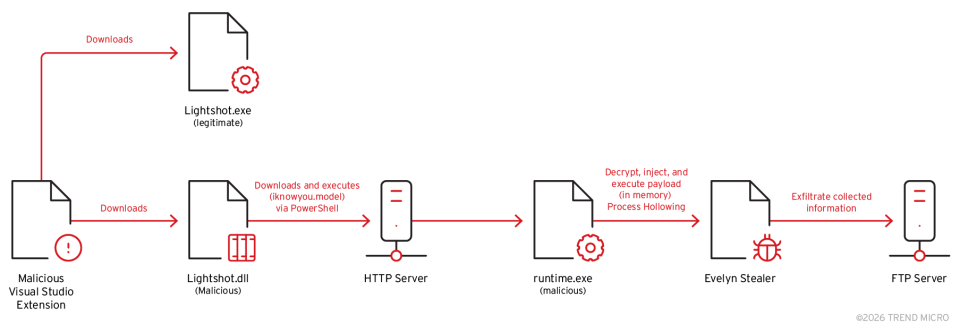
The blog analyzes a multistage campaign that weaponized Visual Studio Code extensions to deliver the Evelyn information stealer, using a DLL downloader, a process-hollowing injector, and a final payload that harvests developer credentials and cryptocurrency data. The malware uses AES-256-CBC encryption, multiple anti-analysis checks, and FTP-based C2/exfiltration to evade detection and…
![Cybersecurity News | Daily Recap [20 Jan 2026]](https://www.hendryadrian.com/tweet/image/DailyRecap.png "Cybersecurity News | Daily Recap [20 Jan 2026]")
Daily Recap, The daily cybersecurity recap emphasizes proactive defence for 2026 with CISOs prioritizing attack surface visibility and threat hunting, while noting the ETSI AI security standard and Olympics-linked cyber risk as more connected environments emerge. The summary also highlights high-profile items across malware and threats, including Black Basta leadership and an INTERPOL Red Notice, the LOTUSLITE backdoor tied to a Mustang Panda campaign targeting the U.S. government, and notable vulnerabilities and incidents such as StealC, TamperedChef ads, RondoDox using an HPE OneView flaw, Windows Cloud PC bugs, GhostPoster extensions, the CIRO data breach, a Supreme Court hack, Iran TV hijack, and OpenAI ads. #BlackBasta #MustangPanda

A new malware strain called PDFSider is being used by ransomware threat actors to gain long-term access to a Fortune 100 finance company’s Windows systems. The malware employs sophisticated techniques like DLL side-loading and encrypted communication, highlighting advanced cyberattack capabilities. #PDFSider #QilinRansomware

Cyble’s 2025 Threat Landscape Report highlights the resilience and evolution of cybercriminal ecosystems, particularly in ransomware operations, despite increased law enforcement efforts. The report emphasizes the shift towards extortion-only tactics, AI-assisted automation, and supply chain exploitation, affecting diverse sectors worldwide. #RansomwareEvolution #SupplyChainAttacks…

Proactive threat hunting focuses on understanding attacker behaviors, patterns, and evidence left behind, rather than relying solely on reactive measures. The integration of AI and automation allows threat hunters to prioritize and respond to threats more effectively, emphasizing long-term defense strategies. #Log4Shell #MarathonCVEs…
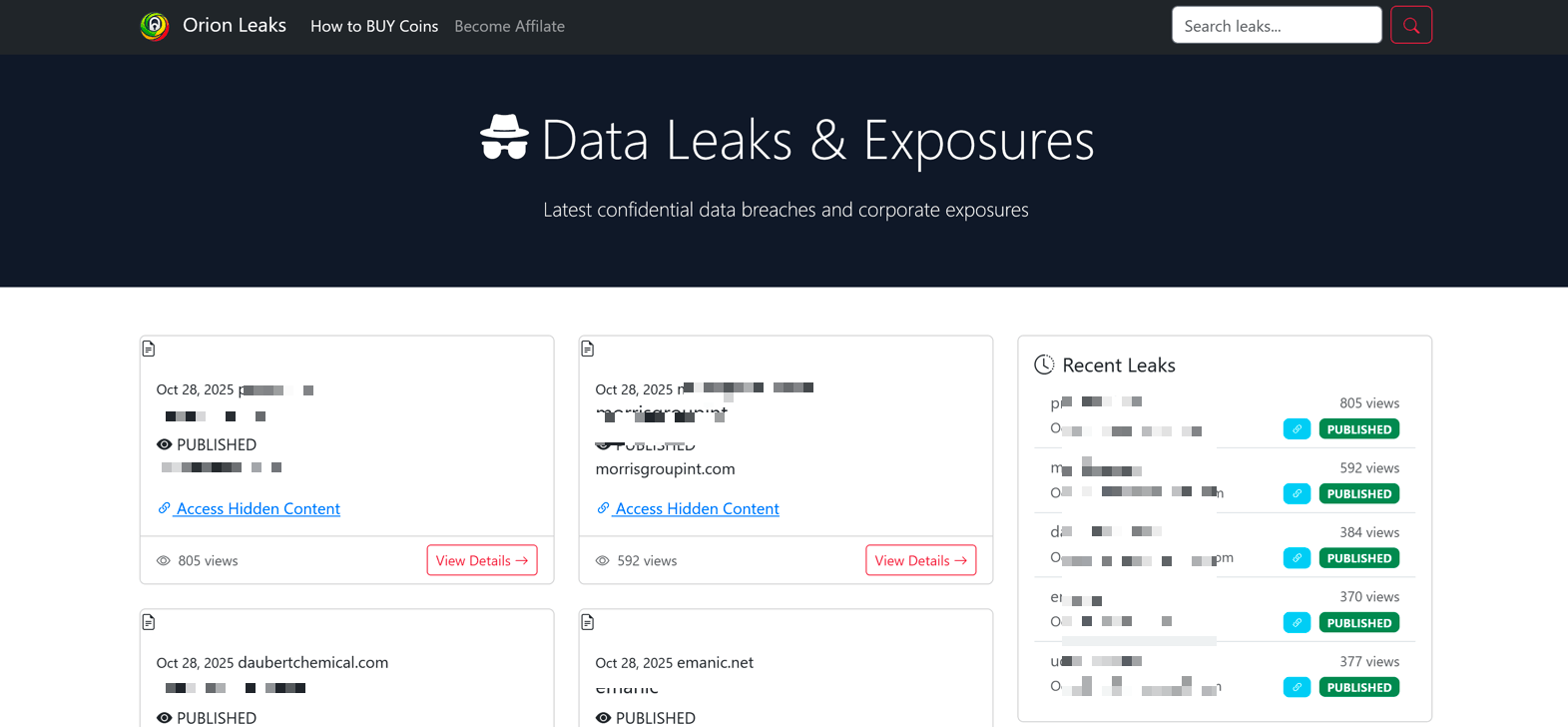
Orion Ransomware is a newly observed operation whose public activity is limited to a data leak site listing 13 alleged victims and affiliate recruitment messaging rather than demonstrated ransomware development or independently verified intrusions. Analysis links the operator to prior reputation-driven extortion activity associated with Babuk2, indicating recycled leak material and low confidence in original operational capability. #Orion #Babuk2
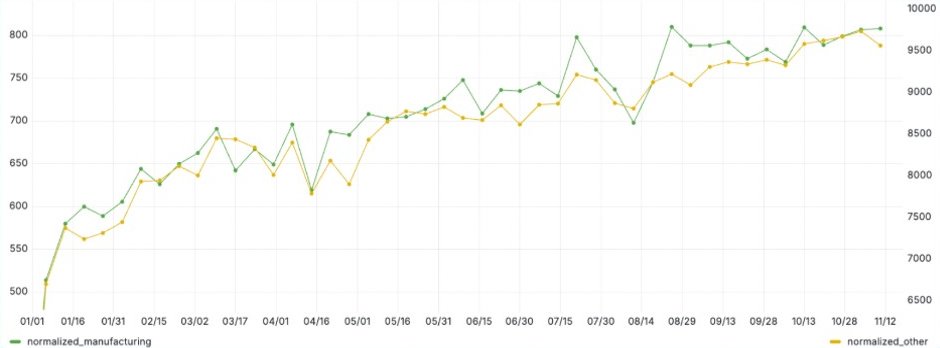
Manufacturing companies are being actively targeted with localized invoice-themed phishing that leverages CVE-2024-43451 and WebDAV-based shortcuts to deliver AsyncRAT and XWorm. Proactive, industry- and region-specific threat hunting using ANY.RUN’s sandbox and Threat Intelligence Lookup can identify fresh samples, file hashes, malicious filenames, and hosting infrastructure (Dropbox/WebDAV) before widespread detection occurs. #AsyncRAT…

Security leaders believe that managing third-party supply chain resilience and leveraging AI for automation will be the key to cybersecurity efficiency in 2026. They emphasize the importance of simplifying security processes, industry-wide AI governance, and fostering collaborative threat intelligence. #DORA #NIS2 #AIautomation #ThreatSharing…
MongoBleed (CVE-2025-14847) is a critical, unauthenticated memory-disclosure vulnerability in MongoDB Server that lets remote attackers manipulate the OP_COMPRESSED uncompressedSize field to trigger oversized heap allocations and leak sensitive data such as cleartext credentials and API keys. A public proof-of-concept and confirmed active exploitation were published in late December 2025, and roughly…
Validin’s 2025 recap highlights major research, community growth, product updates, and collaborations that expanded platform capabilities and researcher access. The company’s research exposed campaigns such as the FreeDrain crypto-theft network and phishing infrastructure tied to Scattered Spider. #FreeDrain #ScatteredSpider
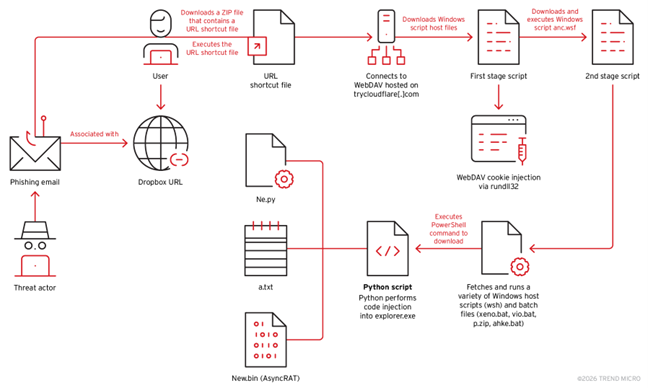
Threat actors abused Cloudflare’s free-tier TryCloudflare tunnels and legitimate Python environments to host WebDAV servers and deliver the AsyncRAT remote access trojan, using double-extension phishing lures and living-off-the-land techniques for persistence. The campaign installs an embedded Python runtime, executes ne.py to APC-inject shellcode from new.bin into explorer.exe, and persists via startup…

Elastic Security enables hypothesis-driven threat hunting by unifying telemetry, providing AI-assisted ES|QL queries, machine learning, and integrated response to rapidly detect and remediate emerging techniques such as Living Off the Land Binaries. A RAG-powered AI Assistant, agentic workflows, Elastic Security Labs research, and entity analytics let analysts hunt across clusters, validate anomalies like rundll32.exe execution, and operationalize detections at scale. #TOLLBOOTH #LOLBins
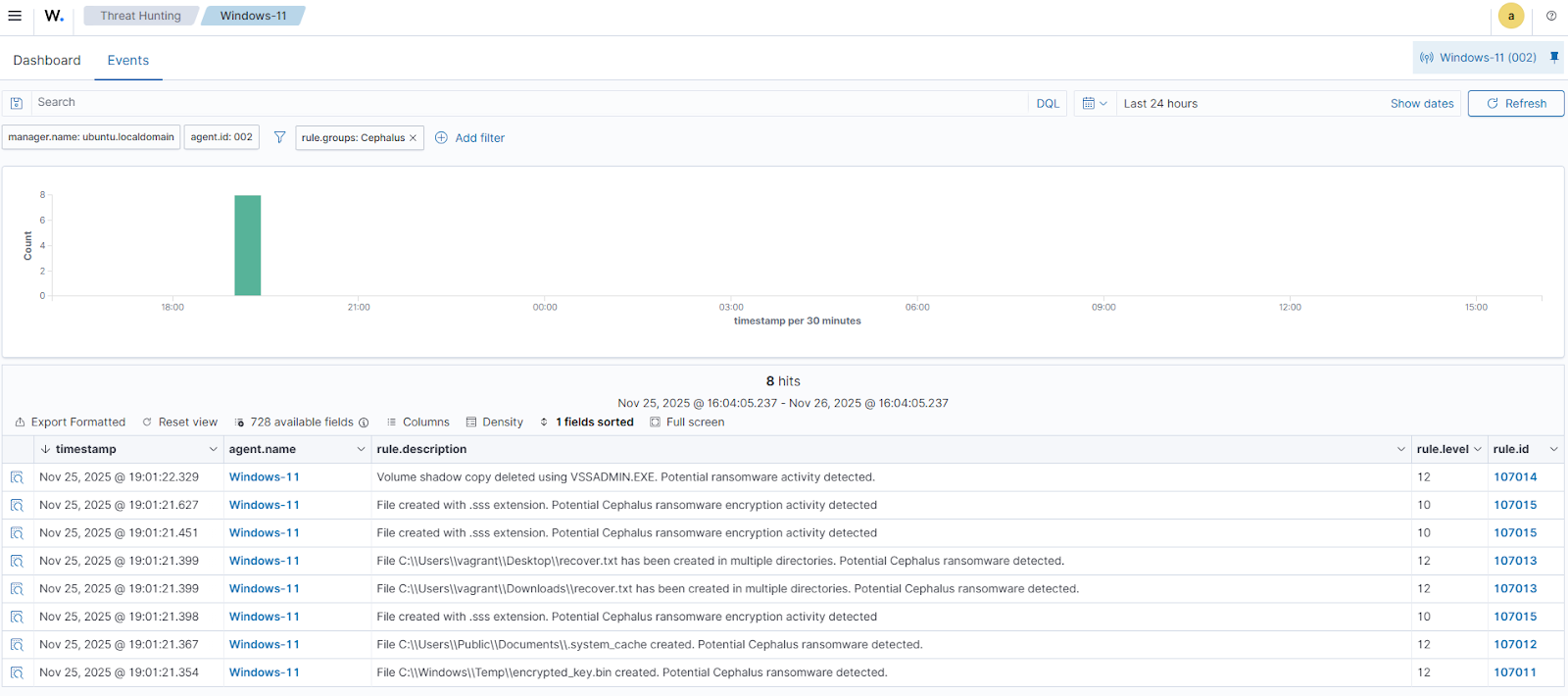
Cephalus ransomware surfaced in mid‑August 2025, targets Windows endpoints via exposed RDP accounts lacking MFA, and performs stealthy local encryption, data exfiltration, and Volume Shadow Copy deletion to hinder recovery. The article demonstrates detection and automated response using Wazuh (Sysmon integration, custom detection rules, File Integrity Monitoring, YARA rules, and Active…

Researchers discovered exposed Sliver C2 databases and logs in open directories, linking a threat actor that exploited multiple FortiWeb appliances and used React2Shell (CVE-2025-55182) to deploy Sliver and FRP to expose local services. Analysis shows Sliver implants, C2 domains, FRP and a renamed microsocks proxy (cups-lpd) persisted via systemd/supervisord on outdated FortiWeb devices, highlighting a major visibility blindspot. #Sliver #FortiWeb