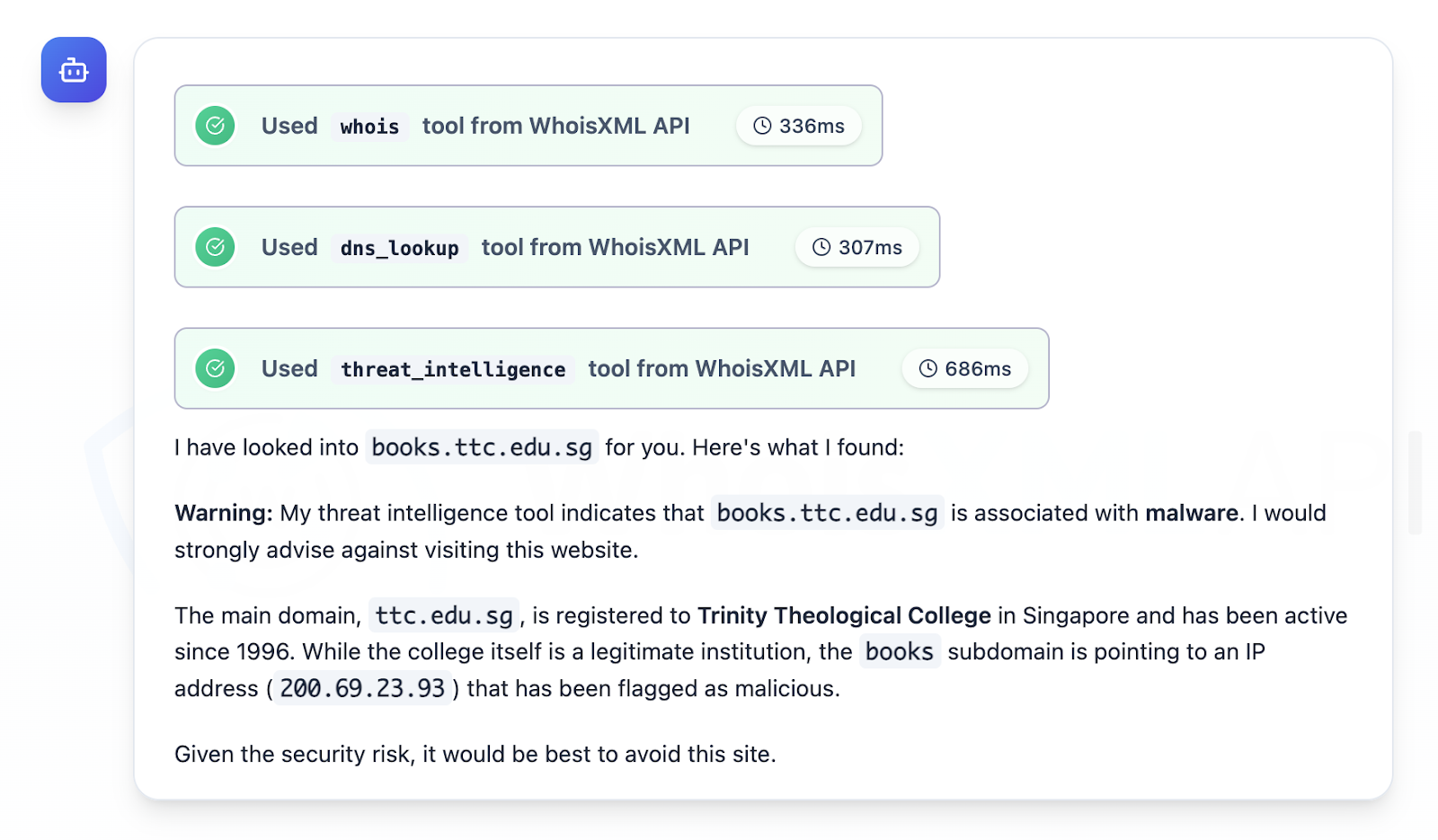
CloudSEK and follow-up research focused on QakBot as a top access trojan/loader that is commonly distributed via phishing, harvests credentials, maintains C2 access, delivers payloads, and moves laterally to enable targeted attacks and ransomware against email-reliant enterprises. The investigation analyzed Trellix IoCs (extracted 929 domains, filtered to 492, studied 125), 19 subdomains, multiple client and infrastructure IPs, and thousands of email-connected domains, identifying specific malicious artifacts (e.g., books[.]ttc[.]edu[.]sg -> 200[.]69[.]23[.]93) and providing a downloadable dataset for further hunting. #QakBot #Trellix
Tag: THREAT HUNTING
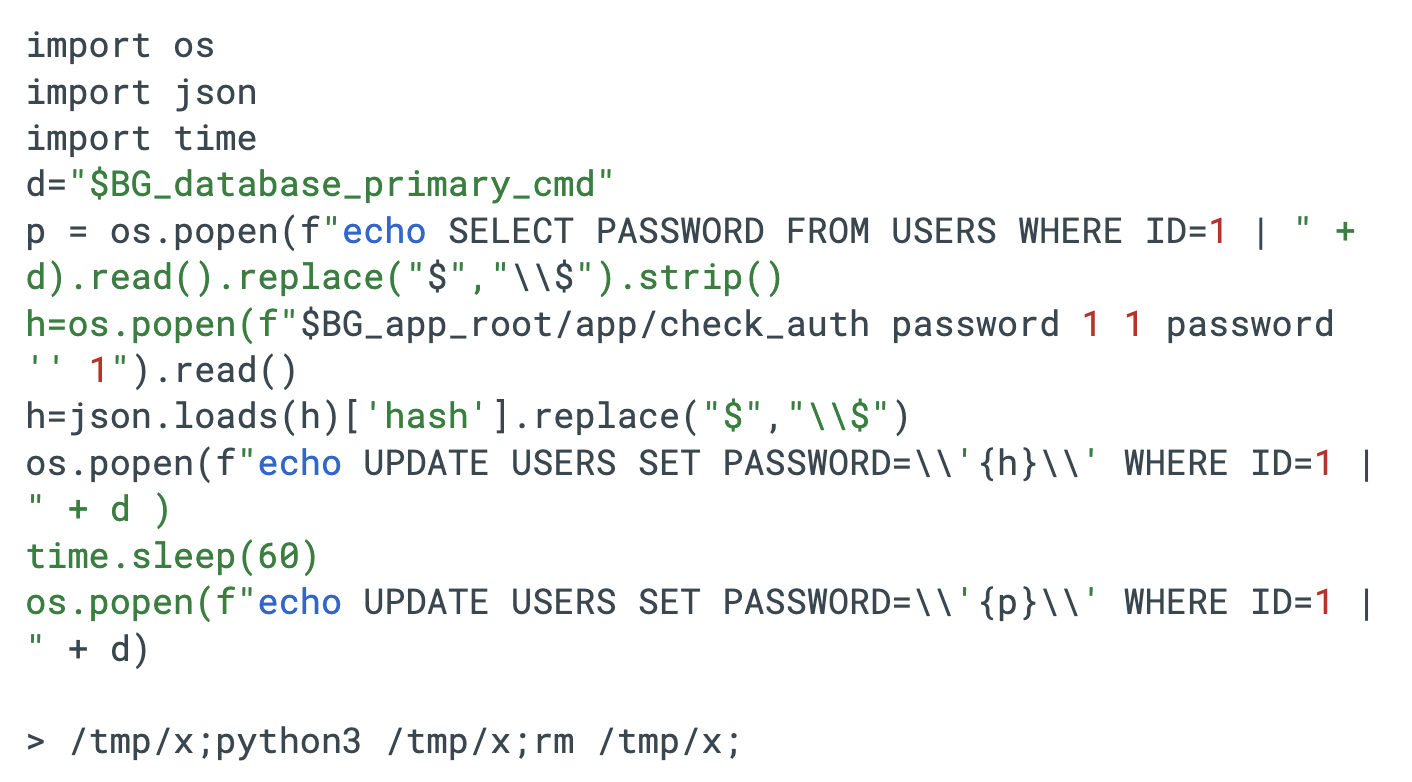
CVE-2026-1731 is a critical pre-authentication remote code execution vulnerability in BeyondTrust Remote Support’s thin-scc-wrapper WebSocket handler that Unit 42 has observed being actively exploited to deploy web shells, backdoors (including SparkRAT and VShell), create accounts, move laterally, and exfiltrate data across multiple sectors and countries. CISA added the vulnerability to its…

Attack Discovery, Workflows, and Agent Builder were combined to automatically detect, confirm, and triage a Chrysalis backdoor campaign delivered via a Notepad++ update supply-chain compromise, collapsing dozens of alerts into a single verified incident and creating a case and Slack channel with on-call responders already added. The automation verified C2, performed VirusTotal checks, ran ES|QL hunts, and executed incident actions (isolation, user suspension, IOC sweeps) in under four minutes instead of hours. #Chrysalis #LotusBlossom

Flare researchers observed threat actors rapidly sharing proof-of-concept exploits, offensive tools, and stolen administrator credentials for SmarterMail vulnerabilities CVE-2026-24423 and CVE-2026-23760, leading to automated mass exploitation and confirmed ransomware activity. Incidents including a SmarterTools breach and ties to the Warlock cluster highlight that email servers are identity-critical and require urgent patching, segmentation, and enhanced monitoring. #SmarterMail #CVE-2026-24423

Two critical zero-day remote code execution vulnerabilities (CVE-2026-1281 and CVE-2026-1340) in Ivanti Endpoint Manager Mobile (EPMM) are being actively exploited to gain unauthenticated control of enterprise MDM infrastructure. Unit 42 documents automated mass scanning and exploitation leading to reverse shells, web shell installation, malware downloads (including the Nezha monitoring agent), and…
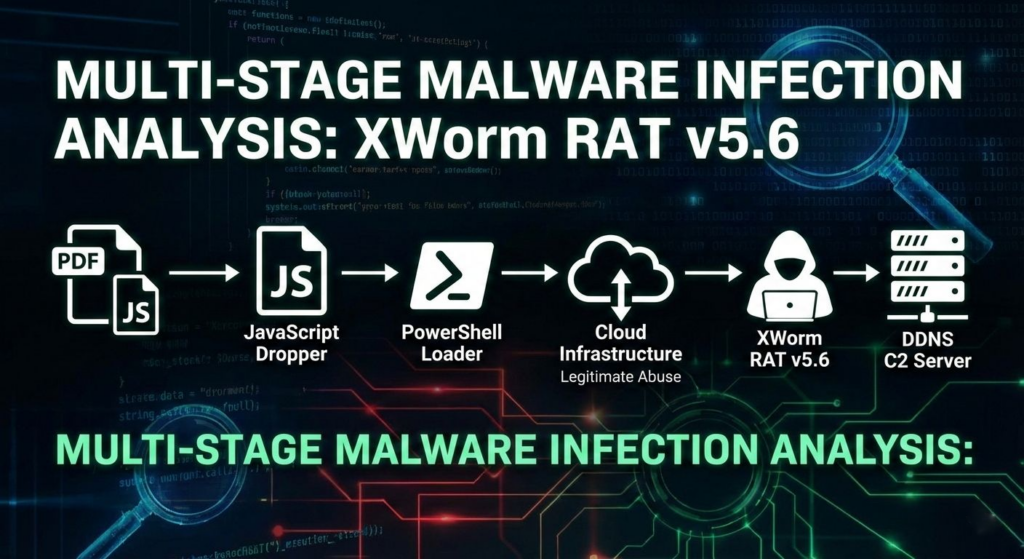
A multi-stage campaign targeting Brazilian users delivers XWorm via a deceptive “banking receipt” WSH dropper that uses obfuscated JavaScript, WMI-spawned PowerShell, Cloudinary-hosted steganography, and in-memory .NET loading to minimize early detection. The infection establishes persistence by registering a Scheduled Task via .NET APIs and injects the XWorm payload into CasPol.exe, enabling…
In July 2025 a SEO-poisoning campaign redirected users searching for ManageEngine OpManager to a malicious site (opmanager.pro) that delivered a trojanized MSI installer, which installed Bumblebee and established HTTPS C2 via DGA domains. The actor dumped domain credentials, created privileged accounts, used remote access tools and SSH tunneling for persistence and exfiltration, and ultimately deployed Akira ransomware across parent and child domains. #Bumblebee #Akira

The defense industrial base faces sustained, multi-vector cyber threats from state-sponsored groups and hacktivists targeting personnel, supply chains, edge devices, and battlefield technologies such as UAS and secure messaging apps. Notable tactics include phishing and job-themed lures, exploitation of edge device zero-days, mobile malware, supply-chain compromises, and hack-and-leak or DDoS operations by pro-Russia and pro-Iran hacktivists. #UNC5221 #CANFAIL

DomainTools Investigations | Lotus Blossom (G0030) and the Notepad++ Supply-Chain Espionage Campaign
Investigators determined the Notepad++ update mechanism (WinGUp/GUP.exe) was subverted for roughly six months to selectively deliver trojanized installers to a narrow set of high-value targets without modifying the project’s source code. The operation is attributed with moderate–high confidence to the China-aligned espionage cluster Lotus Blossom, which deployed bespoke implants (notably Chrysalis), DLL sideloading, and API-style HTTPS C2 to enable long-term intelligence collection. #LotusBlossom #Chrysalis

Between June and December 2025, the state-sponsored group Lotus Blossom compromised the shared hosting environment for Notepad++ updates and intercepted update traffic to serve malicious installers that delivered the Chrysalis backdoor and Cobalt Strike beacons. The campaign used DLL side-loading, Lua script injection and an adversary-in-the-middle filtering capability to selectively target…
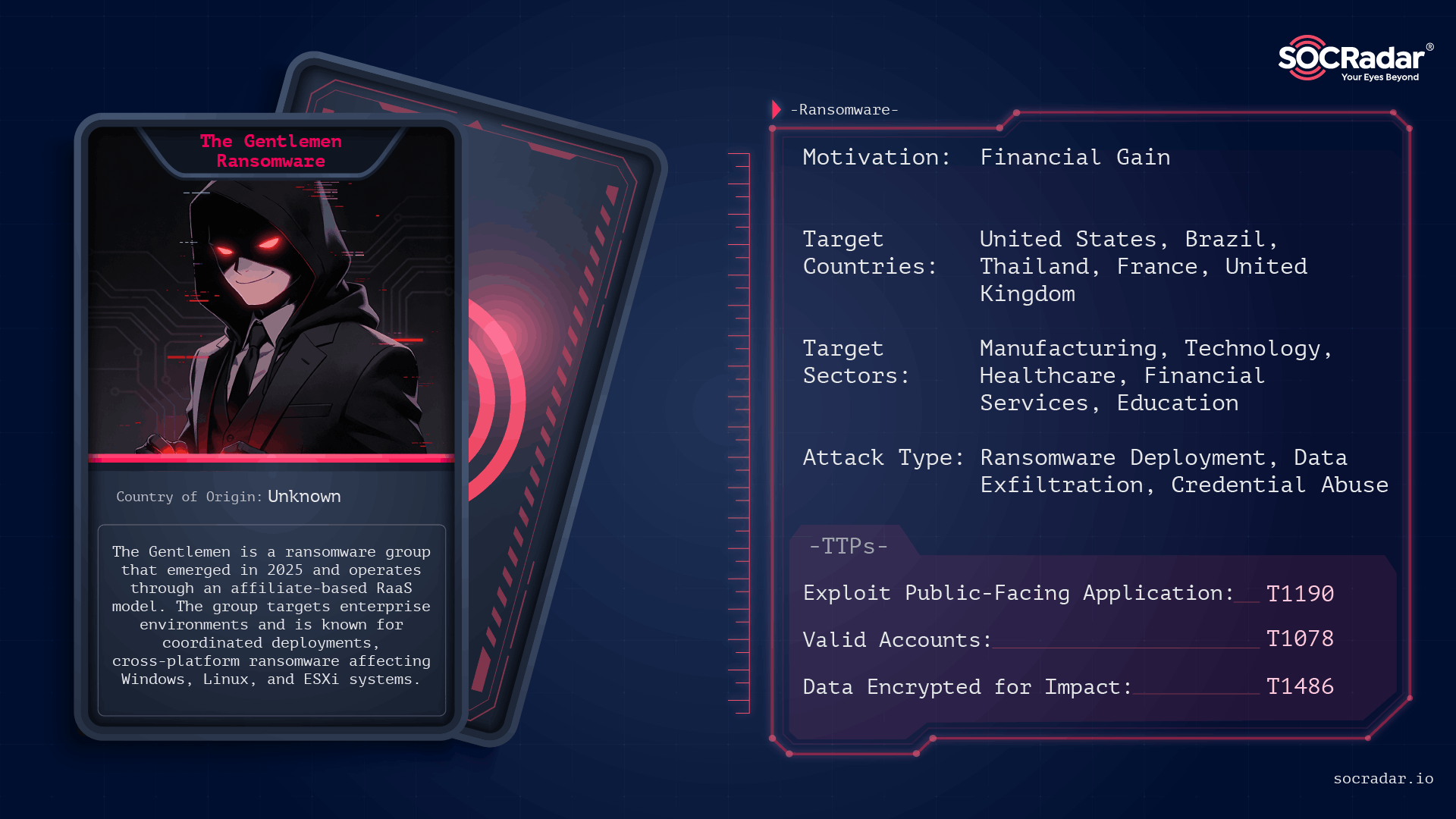
The Gentlemen is an operationally disciplined ransomware group first observed in mid-to-late 2025 that conducts double‑extortion attacks across Windows, Linux, NAS, BSD, and ESXi environments using password‑protected, operator-driven builds. Their campaigns leverage exposed internet-facing services and compromised administrative credentials, and victims have been publicly listed on a Dark Web leak site. #TheGentlemen #ESXi

This blog describes an automated, scalable cyber-range that uses Ludus to deploy multi-VM labs (GOAD and XZbot) and instruments every host with Elastic Agent/Defend to validate detections against real attacks. It details safe isolation techniques for running a live CVE-2024-3094 backdoor, shows how Elastic SIEM/XDR (Event Analyzer, Session Viewer) surfaces forensic “smoking guns,” and explains AI-driven hunting and response with Attack Discovery, the AI Assistant, and Elastic Workflows. #GOAD #XZbot

In January 2026 eSentire’s TRU investigated a Prometei botnet infection on a Windows Server used by a customer in the Construction industry and published a technical breakdown of its deployment, unpacking, persistence, C2 communications, and modular components. The report includes decryption recipes, Yara rules, IOCs, and remediation guidance used to detect, analyze, and contain the intrusion. #Prometei #eSentire

Microsoft disclosed CVE-2026-21509, a security-feature-bypass in Microsoft Office that lets attacker-controlled document metadata short-circuit Kill Bit checks and cause instantiation of kill-bitted OLE/COM components, and it is confirmed to be actively exploited. APT28 has used targeted spearphishing with weaponized RTF/Word docs to deliver payloads such as MiniDoor and PixyNetLoader—leveraging Outlook VBA persistence, COM hijacking, scheduled tasks named OneDriveHealth, and steganographic staging to maintain access. #CVE-2026-21509 #APT28

MS-ISAC reporting shows total malware notifications rose 7% from Q3 to Q4 2025, with SocGholish accounting for 30% of detections and CoinMiner and Agent Tesla also prominent. New and returning families observed include ACR Stealer, Calendaromatic, SombRAT, and Arechclient2, with notable vectors like malvertisement, malspam, WMI-based spread, and multiple persistence and…