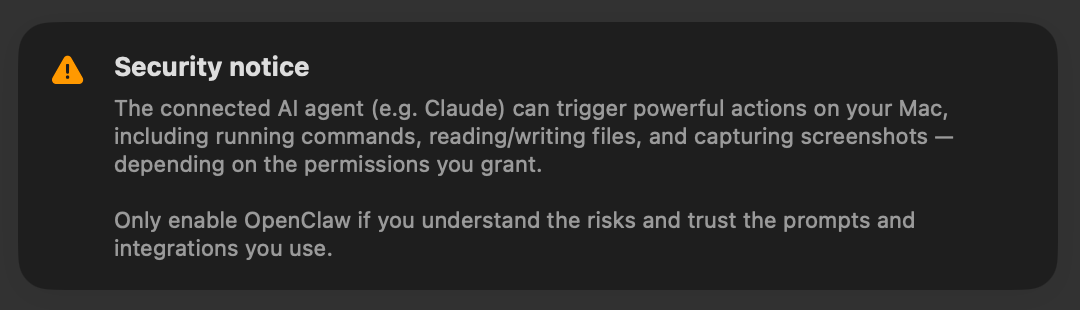
OpenClaw is an agentic AI platform that runs locally with deep system access and an extensible third‑party “skill” ecosystem, enabling file management, workflow automation, and direct shell command execution. Security researchers have identified widespread malicious skills (notably the ClawHavoc campaign) and critical vulnerabilities such as CVE-2026-25253 that enable credential theft, data exfiltration, and remote code execution, prompting mitigations like VirusTotal scanning, Clawdex detection, and blocking via Iru. #OpenClaw #ClawHavoc
Tag: EDR

Acronis TRU analyzed LockBit 5.0, a cross‑platform ransomware family (Windows, Linux, ESXi) that uses XChaCha20 and Curve25519 encryption, random per‑file extensions, and shared execution/encryption logic while applying extensive defense‑evasion techniques on Windows. The report also links LockBit infrastructure to a SmokeLoader‑associated IP and documents double‑extortion exfiltration and enterprise/virtualization targeting (including Proxmox and ESXi). #LockBit #SmokeLoader

Attackers can bypass application whitelisting and executable restrictions by converting managed .NET assemblies into JScript loaders that execute in memory via Windows Script Host. The technique demonstrated uses DotNetToJScript to run x64 Meterpreter shellcode over HTTPS, blending into trusted components and evading binary-focused defenses. #DotNetToJScript #Meterpreter
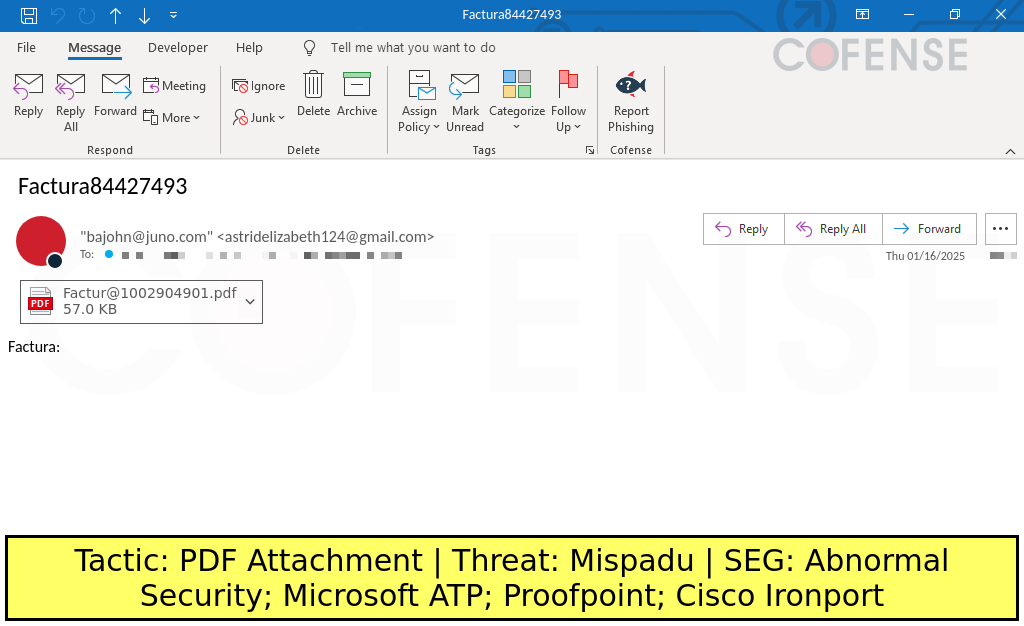
Mispadu is a long-standing Latin American banking Trojan that has surged in use since 2019 and is now primarily delivered via dynamically generated HTA→JS→VBS chains often embedded in password-protected PDFs and executed with a legitimate AutoIT interpreter to evade detection. The single APT group behind Mispadu (tracked as TA2725/Malteiro/Manipulated Caiman) has added self-propagation via Outlook contacts, geofencing, advanced obfuscation, and credential theft capabilities while primarily targeting Spanish-speaking countries such as Mexico and Brazil. #Mispadu #TA2725
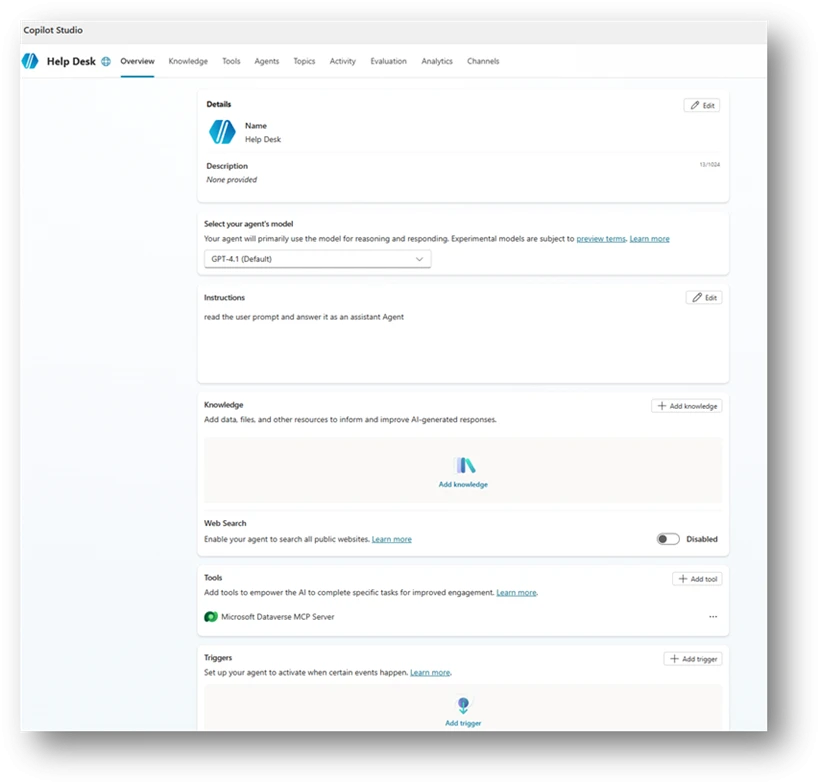
Organizations rapidly adopt Copilot Studio agents but misconfigurations—broad sharing, unauthenticated access, unsafe HTTP requests, author authentication, hard‑coded credentials, unmanaged MCP tools, missing orchestration instructions, dormant or orphaned agents, and email-capable actions—create new identity and data‑access paths that traditional controls don’t monitor. Microsoft Defender Security Research provides ten detection-focused scenarios with Advanced Hunting queries and a mitigation playbook emphasizing ownership, least privilege, enforced authentication, hardened orchestration, and secret management to help teams find and fix these risks early. #CopilotStudio #MicrosoftDefender
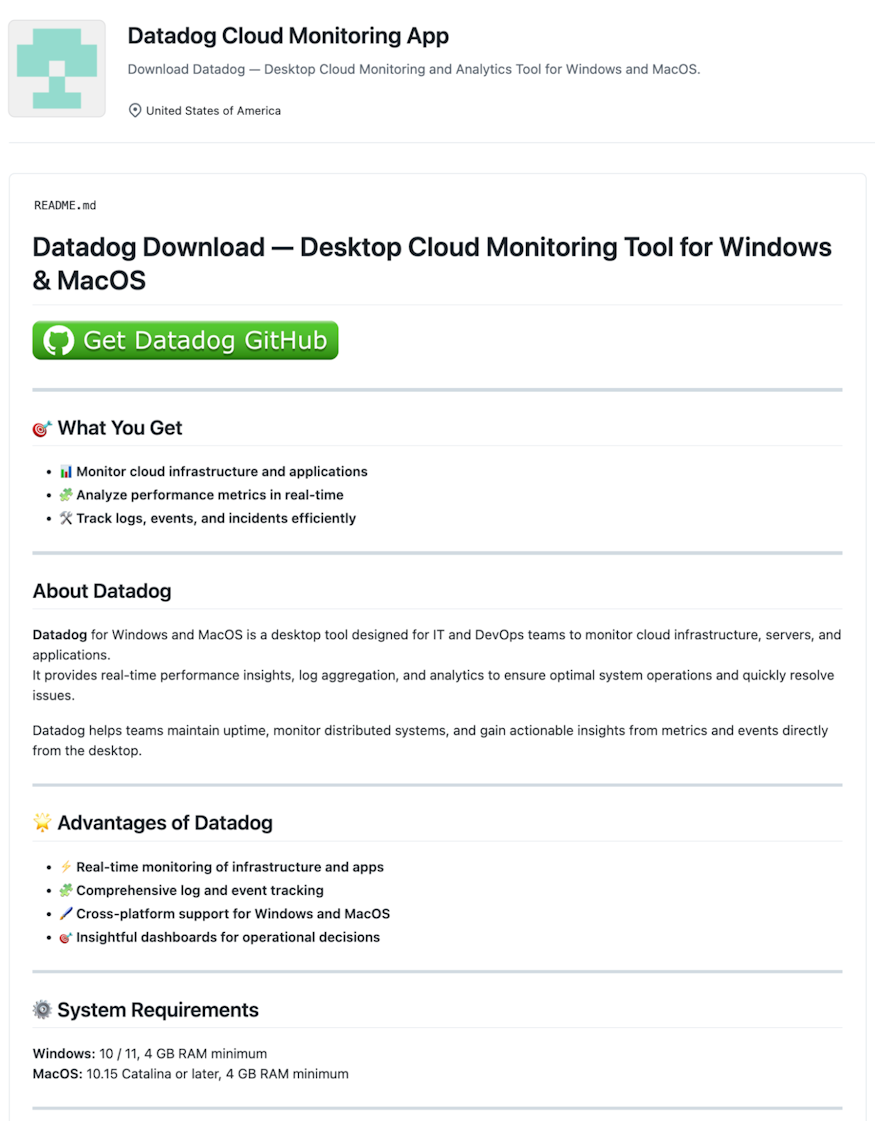
Datadog observed an active campaign using fake GitHub repositories and ClickFix landing pages to social-engineer victims into pasting commands that install macOS infostealers and (in some builds) Windows components. The actor iterates on MacSync and a persistent SHub Stealer v2.0—adding credential validation, broad file and wallet collection, dynamic anti-analysis, and a LaunchAgent-based beacon for remote command execution. #SHub #MacSync
Fancy Bear (APT28) remains an active Russian state‑aligned espionage actor that quickly adopts newly disclosed vulnerabilities and uses spear‑phishing and credential harvesting to maintain long‑term access to government, defense, energy, and communications targets. The group recently weaponized a Microsoft Office vulnerability to compromise organizations in Eastern Europe and the EU, demonstrating a shift toward lightweight, high‑ROI tradecraft. #FancyBear #CVE-2026-21509
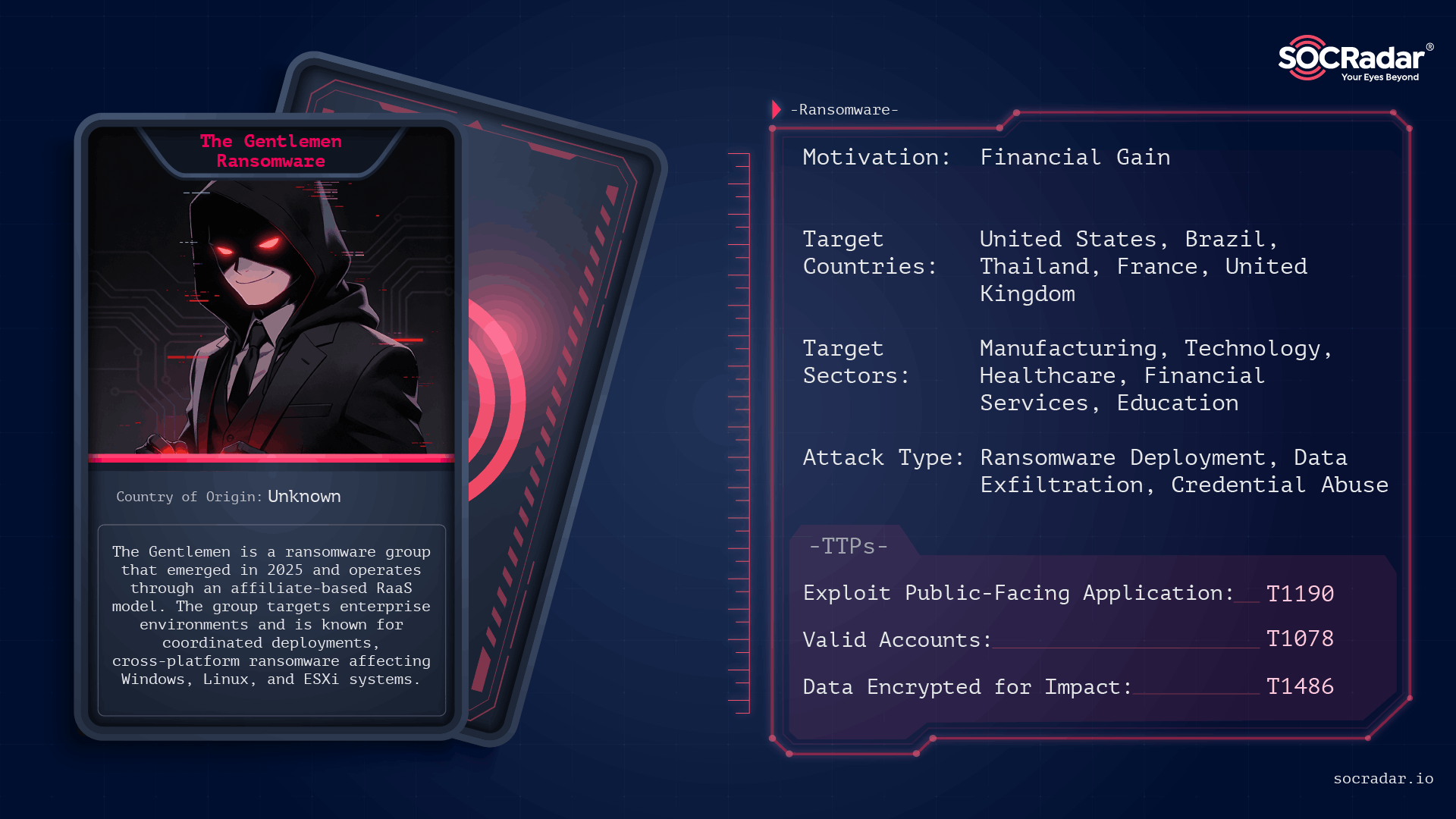
The Gentlemen is an operationally disciplined ransomware group first observed in mid-to-late 2025 that conducts double‑extortion attacks across Windows, Linux, NAS, BSD, and ESXi environments using password‑protected, operator-driven builds. Their campaigns leverage exposed internet-facing services and compromised administrative credentials, and victims have been publicly listed on a Dark Web leak site. #TheGentlemen #ESXi
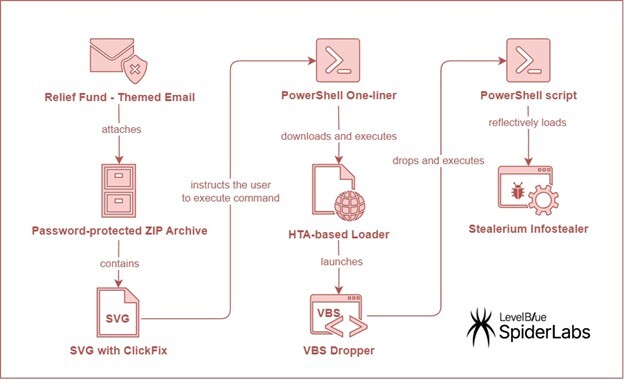
A multi-stage phishing campaign consistently delivers the Stealerium .NET infostealer by reusing a stable execution core while varying lure themes and front-door delivery methods. #Stealerium #DepartmentOfState
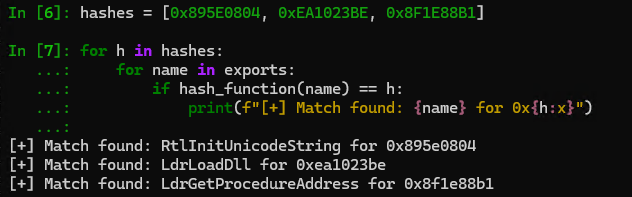
OysterLoader (aka Broomstick / CleanUp) is a multi-stage C++ loader distributed via fake signed MSI installers that delivers payloads (notably Rhysida ransomware and commodity stealer Vidar) using staged shellcode, custom LZMA, and steganographically hidden DLLs. Its operators use extensive obfuscation (API-hammering, dynamic API hashing, custom Base64 alphabets and RC4), robust HTTP-based C2 with fallback servers, scheduled-task persistence, and anti-analysis checks. #OysterLoader #Rhysida

GuLoader (aka CloudEye) is a heavily obfuscated downloader active since late 2019 that uses polymorphic code and exception-based control-flow tricks to hide constants, strings, and execution flow while delivering secondary payloads. The malware frequently hosts payloads on trusted cloud services to evade reputation-based detection. #GuLoader #GoogleDrive
![Threat Research | Weekly Recap [08 Feb 2026]](https://www.hendryadrian.com/tweet/image/WeeklyRecap.png "Threat Research | Weekly Recap [08 Feb 2026]")
Cybersecurity Threat Research ‘Weekly’ Recap: the report surveys supply-chain compromises, ransomware/defense evasion, infostealers, targeted espionage, cloud and identity threats, phishing, vulnerabilities and detection, labs automation and resilience guidance. It highlights notable campaigns and families such as the Notepad++ supply-chain attack, GlassWorm on Open VSX, dYdX npm/PyPI abuse, DYNOWIPER in Polish energy, Black Basta kernel-driver evasion, SonicWall SSLVPN intrusion, APT28 and Shadow Campaigns, Amaranth-Dragon, Transparent Tribe, Stan Ghouls, Prometei, ShinyHunters, NGOSS and ZHGUI breaches, plus attempts at web-infra abuse (Quest KACE, NGINX hijacking, CrashFix/ClickFix) and AI-assisted cloud intrusion via Amazon Bedrock. #NotepadPlusPlus #GlassWorm #OpenVSX #dYdX #DYNOWIPER #BlackBasta #SonicWall #APT28 #ShadowCampaigns #AmaranthDragon #TransparentTribe #StanGhouls #Prometei #ShinyHunters #NGOSS #ZHGUI #QuestKACE #CrashFix #ClickFix #GOAD #NGINX #Baota #AmazonBedrock #DetectionsAsCode
![Cybersecurity News | Daily Recap [07 Feb 2026]](https://www.hendryadrian.com/tweet/image/DailyRecap.png "Cybersecurity News | Daily Recap [07 Feb 2026]")
Daily Recap, BridgePay confirms a ransomware attack that knocked core payment systems offline, causing a nationwide outage and forcing some merchants to accept cash while the FBI and agencies investigate. Attacks span academia and government, including Spain’s Ministry of Science data leaks linked to GordonFreeman and BabLock/Femwar02 that took La Sapienza offline, affecting about 112,500 students, plus AI-enabled threat discussions and privacy concerns around surveillance tools.
#BridgePay #BabLock

CYFIRMA analyzed LTX Stealer, a Windows information stealer delivered via a heavily obfuscated Inno Setup installer that embeds a full Node.js runtime and uses Bytenode JavaScript bytecode to hinder analysis. The malware harvests Chromium-based credentials and cryptocurrency artifacts, stages them for exfiltration to Cloudflare‑fronted infrastructure, and uses Supabase for operator authentication. #LTXStealer #Supabase

This blog describes an automated, scalable cyber-range that uses Ludus to deploy multi-VM labs (GOAD and XZbot) and instruments every host with Elastic Agent/Defend to validate detections against real attacks. It details safe isolation techniques for running a live CVE-2024-3094 backdoor, shows how Elastic SIEM/XDR (Event Analyzer, Session Viewer) surfaces forensic “smoking guns,” and explains AI-driven hunting and response with Attack Discovery, the AI Assistant, and Elastic Workflows. #GOAD #XZbot