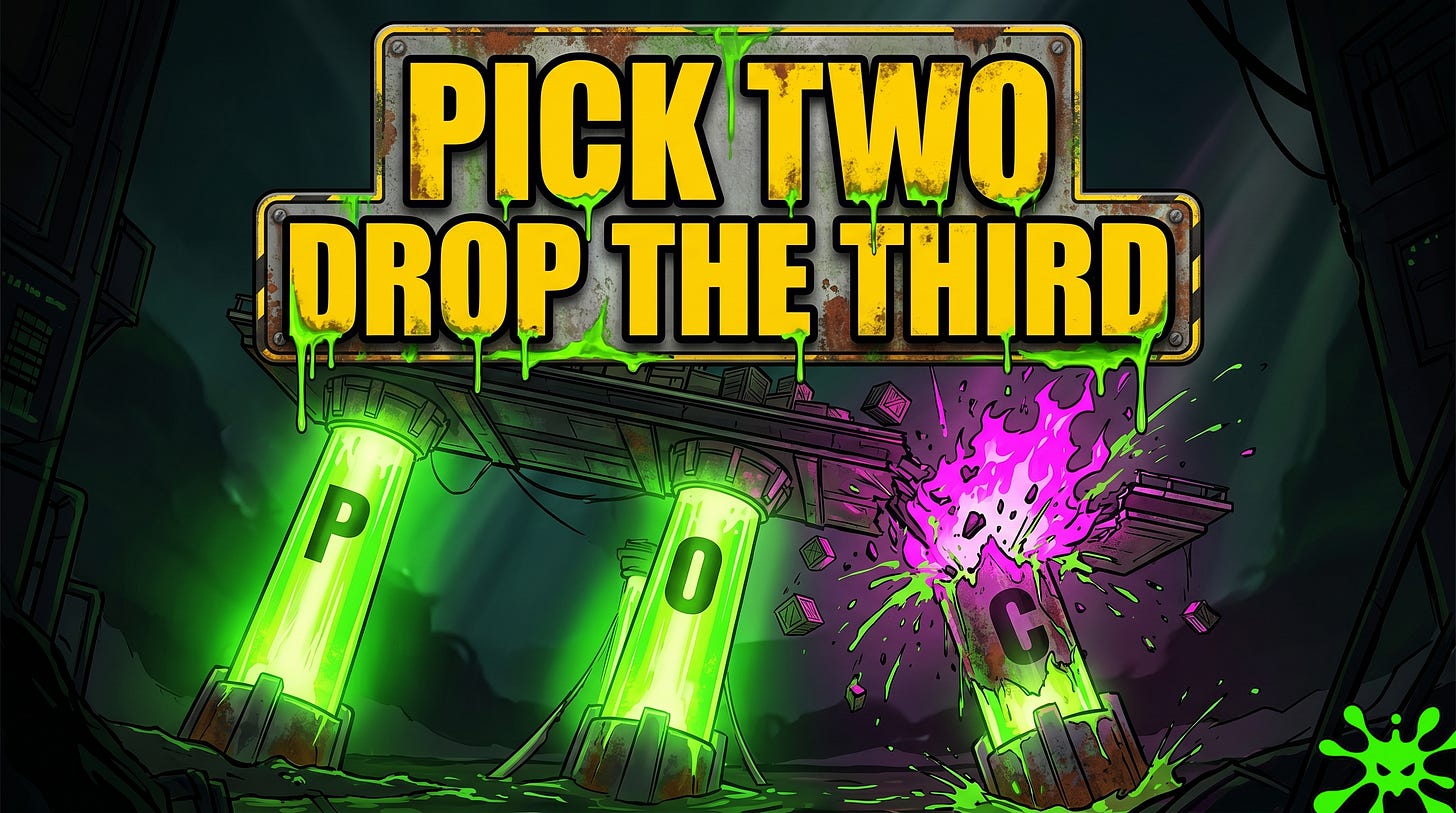
Meta’s Rule of Two limits an AI agent to only two of three dangerous capabilities at once: untrusted input, sensitive data, and external communication, breaking the prompt injection chain before exfiltration can complete. The content also highlights three known limitations in Meta’s own model, including cross-session leakage, risky two-way overlaps, and human approval that can degrade into blind clicking. #Meta #RuleofTwo #SimonWillison #Chromium #OWASP
Category: Interesting Stuff

Villain is an open-source command-and-control framework by t3l3machus that supports Windows and Linux payloads, interactive shell upgrades, and federation of multiple servers for shared session control. The article walks through a controlled lab deployment and concludes with defensive guidance for detecting and disrupting Villain activity across compromised hosts and sibling servers. #Villain #t3l3machus #ConPtyShell #HoaxShell
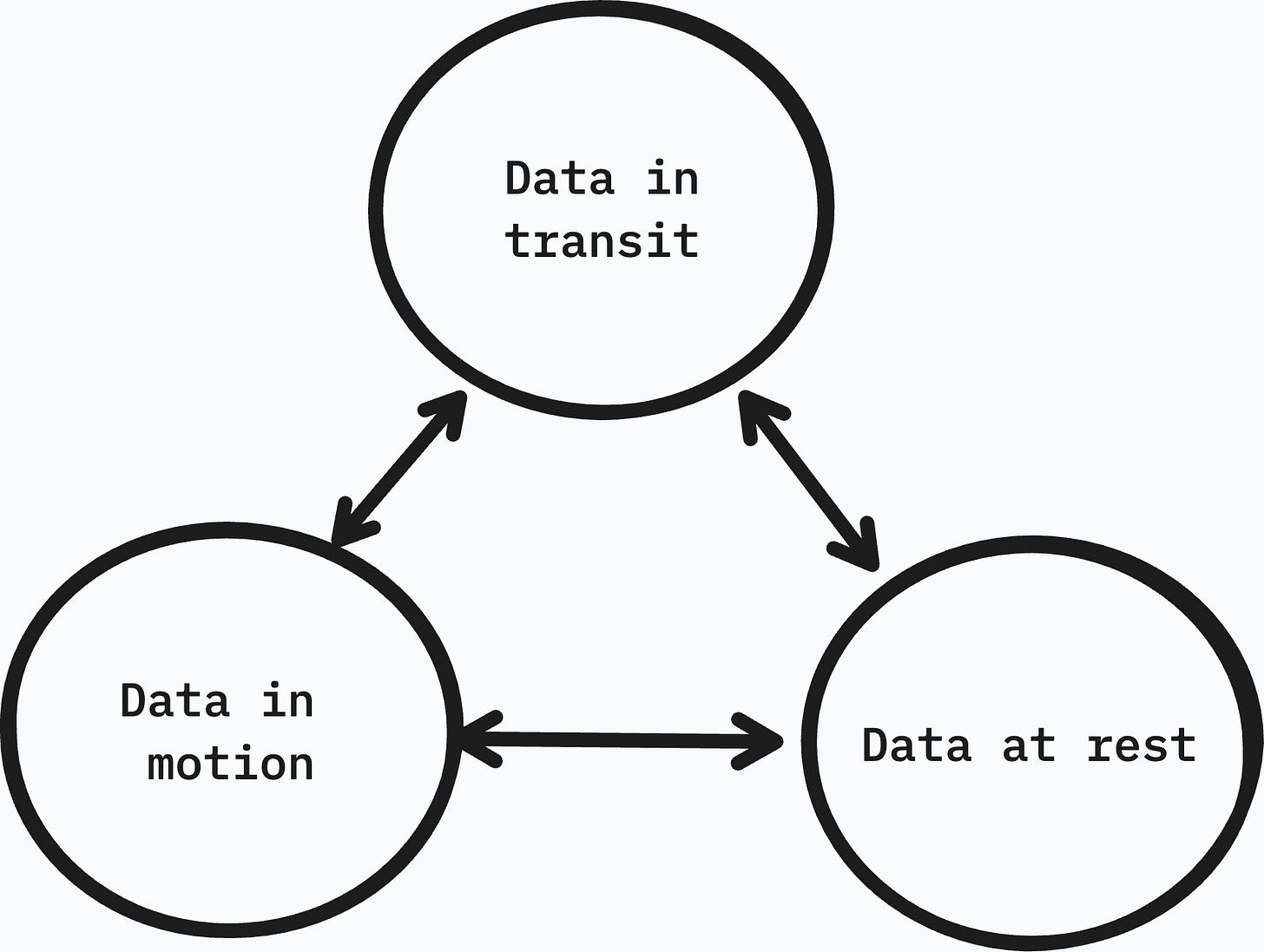
This article explains the three states of data—at rest, in transit, and in use—and the specific threats and controls associated with each one. It emphasizes that protecting data requires a layered, state-aware approach, with encryption, access controls, TLS, secure enclaves, and endpoint protection working together. #TLS #IPsec #SSH #SFTP #EDR #TEEs
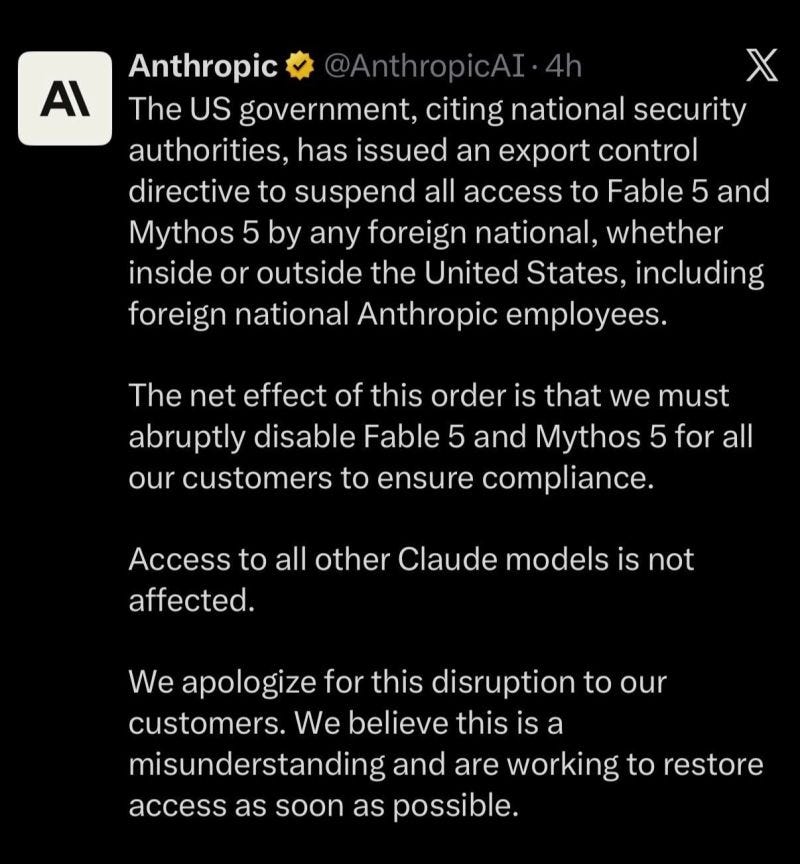
The Cybersecurity Pulse highlights major security and IAM developments, including pressure to restore access to Anthropic’s Claude Fable 5 and Mythos 5 for defenders after export restrictions were imposed. It also covers major funding and M&A moves across endpoint security, non-human identity, and agent security, alongside the Varonis SearchLeak flaw in Microsoft 365 Copilot and new concerns around Flock ALPR misuse. #Anthropic #ClaudeFable5 #Mythos5 #Varonis #SearchLeak #Microsoft365Copilot #Flock #Ent #Databricks #Panther #SailPoint #Entro #1Password #Apono #NewCore

This article argues that detection-only security fails because runtime alerts arrive after malicious dependencies have already executed, exfiltrated data, or established persistence. It recommends shifting software supply chain defense to the point of ingestion with a pre-vetted internal catalog, automated governance, and provenance-backed controls to block threats before they enter the pipeline. #xzUtils #ActiveState #CISA
Frontier AI models like Mythos are accelerating vulnerability discovery and exploitation so quickly that patch windows are shrinking from weeks to minutes. Organizations must adapt by using the same AI-driven capabilities as attackers, strengthening security operations, and aligning response efforts with executive leadership. #Mythos #ZeroDayClock

CVE-2026-25177 is a high-severity privilege escalation flaw in Microsoft Active Directory Domain Services that can let an authenticated domain user gain broader access through SPN manipulation and Kerberos abuse. The article stresses that patching is essential, but lasting protection also requires least-privilege governance, consistent policy enforcement, and tighter control of service accounts and non-human identities. #CVE-2026-25177 #MicrosoftActiveDirectoryDomainServices #OneIdentityActiveRoles #RichardLambert

On June 12, 2026, a US export control directive forced Anthropic to disable Claude Fable 5 and Mythos 5 worldwide after a narrow jailbreak was found that made the models reveal code flaws. The shutdown was driven by deemed-export rules that treat model output shown to a foreign national as an export, making a global off switch the only compliant option. #Anthropic #ClaudeFable5 #Mythos5 #DeemedExport #USCommerce

EU and UK regulators have introduced or consulted on major updates covering GDPR breach notifications, AI-generated content labeling, consumer IoT, and data intermediary services, while France and Malta issued new guidance on electronic communications and AI governance. In the US, New York advanced rules on surveillance pricing and health information privacy, Colorado enacted conversational AI safety requirements, and Anthropic said a government directive forced suspension of Fable 5 and Mythos 5 access for foreign nationals. #EDPB #GDPR #EUAIAct #CNIL #ICO #MFSA #NewYork #Colorado #Anthropic #Fable5 #Mythos5
The article argues that Mythos represents a real shift in cybersecurity, driven by new AI models that can discover and exploit vulnerabilities at unprecedented speed. It warns that major AI vendors such as OpenAI, Grok, and Chinese AI companies will soon reach similar capabilities, compressing timelines for both defense and offensive exploitation. #Mythos #Anthropic #OpenAI #Grok

This article describes an end-to-end lab penetration test orchestrated through Claude Desktop connected to an MCP Kali Server, where natural-language prompts drove tools like Nmap, sqlmap, Hydra, Metasploit, John the Ripper, WPScan, and NetExec. The attack chain moved from reconnaissance and exploitation to root access, WordPress compromise, and domain administrator credential recovery on a Windows Server 2019 domain controller. #ClaudeDesktop #MCPKaliServer #Metasploit #sqlmap #Hydra #JohnTheRipper #WPScan #NetExec #Samba #WordPress #WindowsServer2019

Penelope is presented as a full post-exploitation framework that managed a complete Windows and Linux engagement, from initial reverse shell access on a Windows Server 2019 Domain Controller to credential dumping, Active Directory abuse, Kerberoasting, and cleanup. The walkthrough also showed pivoting with Ligolo-ng into a hidden subnet, compromising a Linux host, and using Penelope’s built-in listeners, port forwarding, file transfer, and HTTP serving features to control the operation end to end. #Penelope #Ligolo-ng #Meterpreter #Mimikatz #Rubeus #LinPEAS #LSE #LinuxExploitSuggester #winPEAS #GodPotato #PrintSpoofer
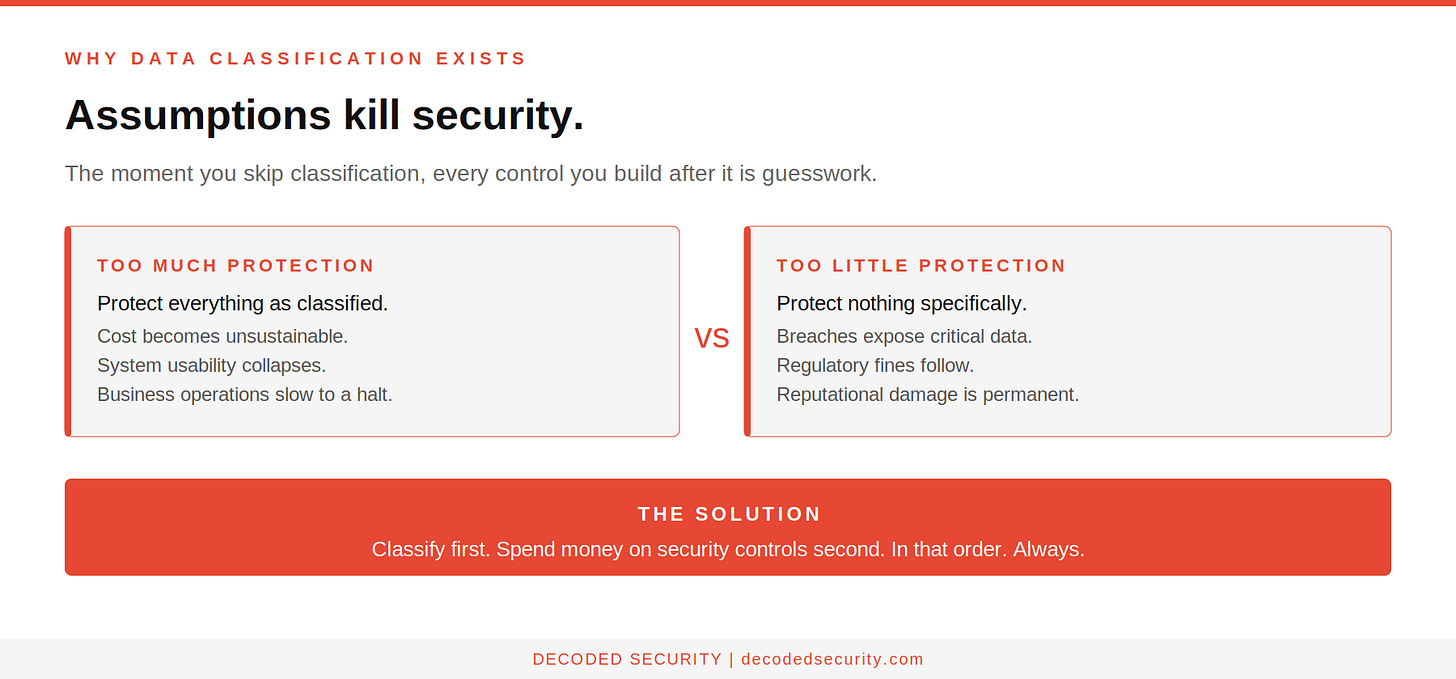
Data classification helps organizations decide which information needs the most protection based on sensitivity, legal requirements, and business impact. It supports access control, compliance, incident response, and DLP by making security decisions before tools and controls are applied. #PII #PHI #GDPR #HIPAA #CISSP #SecurityPlus
The Cybersecurity Pulse highlights major security and AI developments, including Claude Opus 4.8 discovering a critical Zcash Orchard flaw that triggered a massive market wipeout and Anthropic’s release of Claude Fable 5 with classifier-based guardrails. It also covers Salesforce’s SATA triage agent, Datadog’s agent-security launch, and major funding news from Cyera, NinjaOne, Opal Security, Aryon Security, A Security, and Emphere. #ClaudeOpus4.8 #Zcash #Orchard #ClaudeFable5 #Salesforce #SATA #Datadog #Cyera #NinjaOne #OpalSecurity #AryonSecurity #Emphere

AI-powered agents are now able to autonomously map Salesforce Experience Cloud attack surfaces, identify vulnerabilities, write exploits, and extract sensitive data without human guidance. Reco’s research showed real-world impact on organizations like Aegis Security and Helios, exposing broken access control, SOQL injection, and confidential file access. #AegisSecurity #Helios #SalesforceExperienceCloud #PartnerPortalOnboardingController #BlogDetailController #AuraInspector #Reco