AI is rapidly changing cybersecurity by accelerating vulnerability discovery, exploit creation, and attack orchestration through models like Mythos. This shift could shrink response timelines from months to hours or minutes, exposing weaknesses in current security, operations, and resilience practices. #Mythos
Category: Interesting Stuff

Microsoft Teams’ default cross-tenant messaging can be abused for helpdesk impersonation attacks that begin with an unsolicited chat and escalate to Quick Assist, malware deployment, and lateral movement. Adding AI-generated voice makes the scam harder to detect, so organizations should restrict external Teams access, lock down Quick Assist and WinRM, and require out-of-band verification. #MicrosoftTeams #QuickAssist #WinRM #Rclone #Arup #AdaptiveSecurity

ENISA’s latest NIS360 report says EU critical-sector cybersecurity is improving unevenly, while health, ICT service management, public administrations, space, and drinking and waste water remain in the risk zone and face pressure from AI, supply-chain exposure, and geopolitical volatility. North America also saw major policy moves, including Canada’s new AI strategy, the U.S. AI Executive Order, and proposed or enacted privacy and AI laws in Vermont, Louisiana, Connecticut, California, and the draft Great American AI Act. #ENISA #NIS360 #Myndoor #VermontS71 #VermontH211 #CaliforniaSB923 #LouisianaDataPrivacyAct #ConnecticutPublicAct2664 #ConnecticutPublicAct2615 #GreatAmericanAIAct #WhiteHouseAIOrder #CanadaAIforAll
Agentic AI attacks hijack autonomous agents by hiding malicious instructions inside ordinary content, turning the agent’s own tools, memory, and permissions into an attack path for exfiltration, misuse, or code execution. The article explains that the core defense is containment through least privilege, sandboxing, human approval for risky actions, and structured logging to detect suspicious agent behavior. #ClaudeCode #GTG-1002 #Anthropic #MCP #OWASP

This article shows an end-to-end agentic penetration test where Claude Desktop, connected to Metasploit through MCP, scans targets, launches exploits, runs post-exploitation, and generates a payload across a lab network. It demonstrates compromise of a Metasploitable 2 Linux host and a Windows Server 2019 Domain Controller, while emphasizing human approval gates, isolated testing, and mitigation guidance. #ClaudeDesktop #Metasploit #MCP #Metasploitable2 #WindowsServer2019 #DomainController
AI guardrails cannot read intent, only conversational patterns, so legitimate red-team probing and real attack attempts can look the same at the boundary. The article explains why persistent questioning, in-context refusals, and topic adjacency can trigger conservative model behavior, creating both false positives and predictable failure modes. #ToxSec
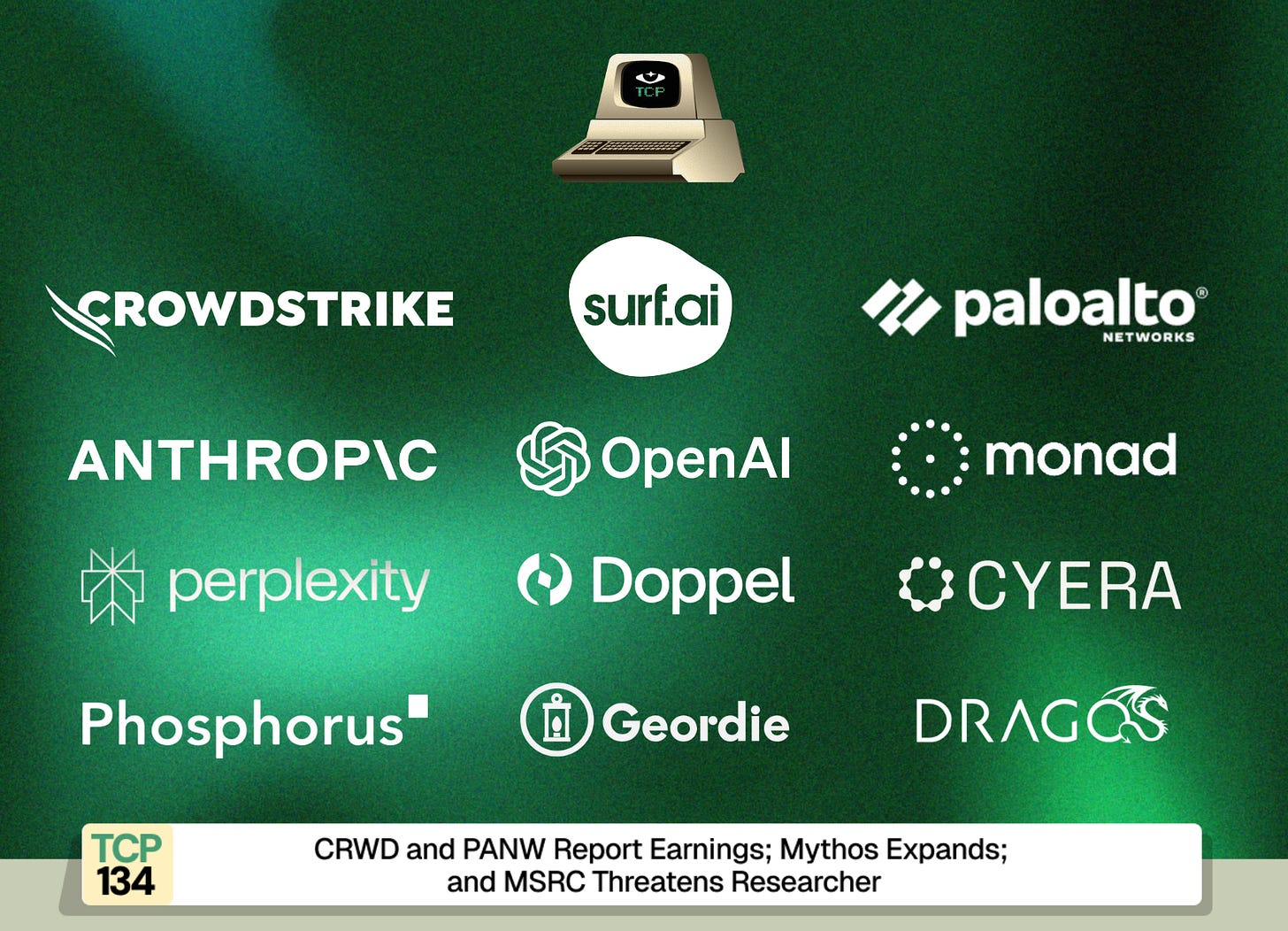
The Cybersecurity Pulse covers major security industry news, highlighting how CrowdStrike and Palo Alto Networks tied their quarterly wins to frontier AI and how Microsoft is facing backlash over disputed Windows zero-day disclosures. It also spotlights product and funding updates across the sector, including Bumblebee, Claude Mythos, Cyera, Doppel, Dragos, and other emerging security platforms. #CrowdStrike #PaloAltoNetworks #Microsoft #Bumblebee #ClaudeMythos #Cyera #Doppel #Dragos
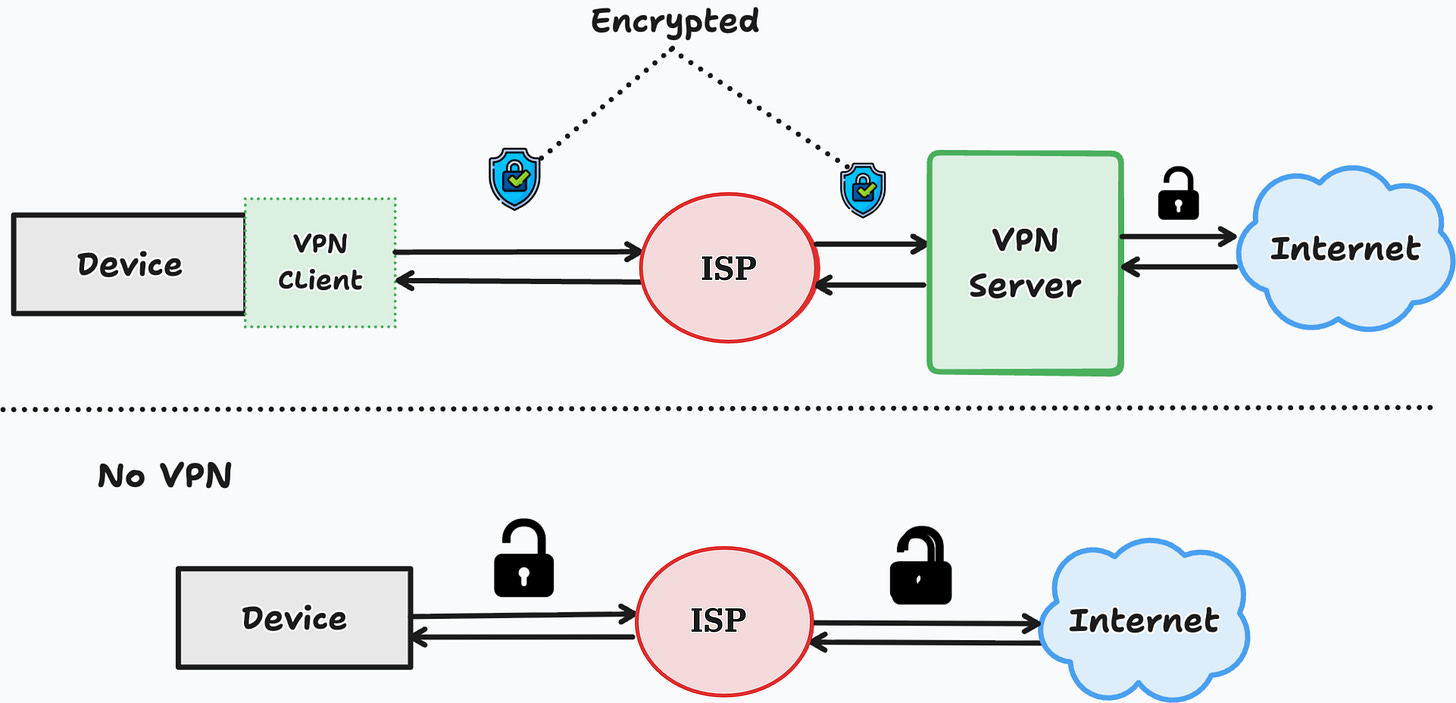
This article explains what a VPN is, why it exists, and why using one does not automatically make you safe, especially when trust is shifted from an ISP to a VPN provider. It also breaks down core VPN components and compares key protocols like PPTP, L2TP, and IPsec for cybersecurity professionals and certification study. #PPTP #L2TP #IPsec

Phishing and insider threats are closely connected, as compromised credentials can turn external attacks into insider-like activity that is difficult to detect. Wazuh helps security teams correlate logs, file changes, user behavior, and threat intelligence to uncover suspicious patterns early. #Wazuh #OpenVPN #Shuffle

Bitdefender research shows EDR adoption has reached 97.7%, highlighting that most organizations now recognize endpoint protection alone is not enough against AI-enabled, evasive attacks. Many mid-market companies are turning to managed detection and response to strengthen resilience, meet compliance expectations, and reduce the risk of ransomware and operational disruption. #Bitdefender #EDR #GravityZone #MDR #DuncanMills
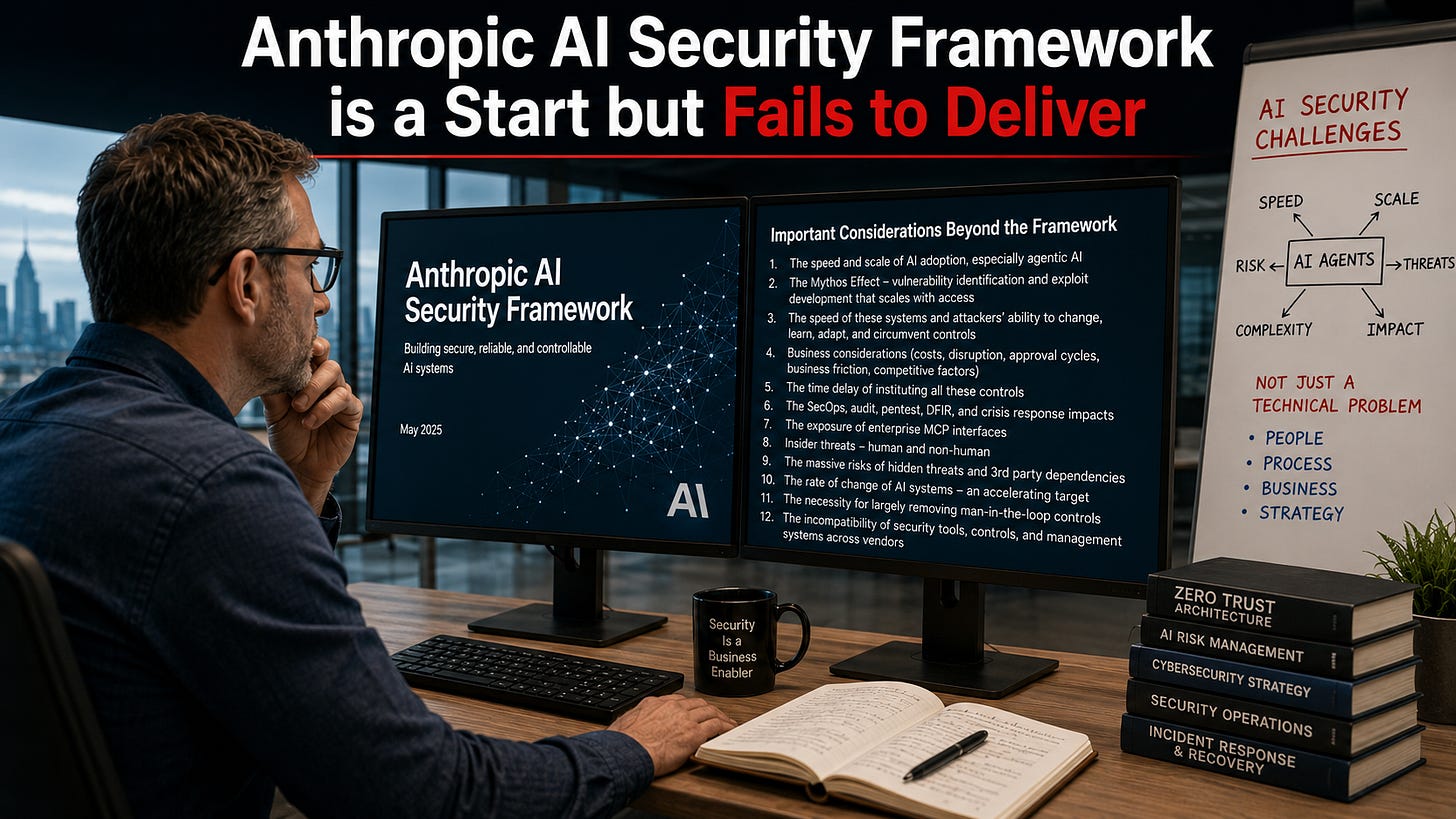
Anthropic has released a security framework for autonomous AI agents based on Zero Trust principles, but the approach is still too basic and impractical for real-world enterprise AI security. The discussion highlights major gaps around AI adoption speed, hidden dependencies, insider threats, and the challenge of keeping controls effective as systems and attackers rapidly evolve. #Anthropic #Claude #ZeroTrustForAI #MCP

Identity verification failures often come from fragmented API-driven supply chains that strip away device-level telemetry and hardware provenance before a decision is made. The article argues that tightly integrated architectures and continuous verification are better suited to stop digital injection attacks and preserve trust in remote identity systems. #Veriff #HubertBehaghel

ShellGPT paired with Nmap turns plain-English prompts into precise reconnaissance commands, enabling fast host discovery, service fingerprinting, NSE-based audits, and even scan analysis from saved output. The article demonstrates a full workflow against a lab network, including stealth scanning, vulnerability checks, SMB/SSH/HTTP enumeration, and brute-force validation of weak credentials on exposed services. #ShellGPT #Nmap #OpenAIAPI #vsftpd #Apache #Samba #OpenSSH #Metasploitable2
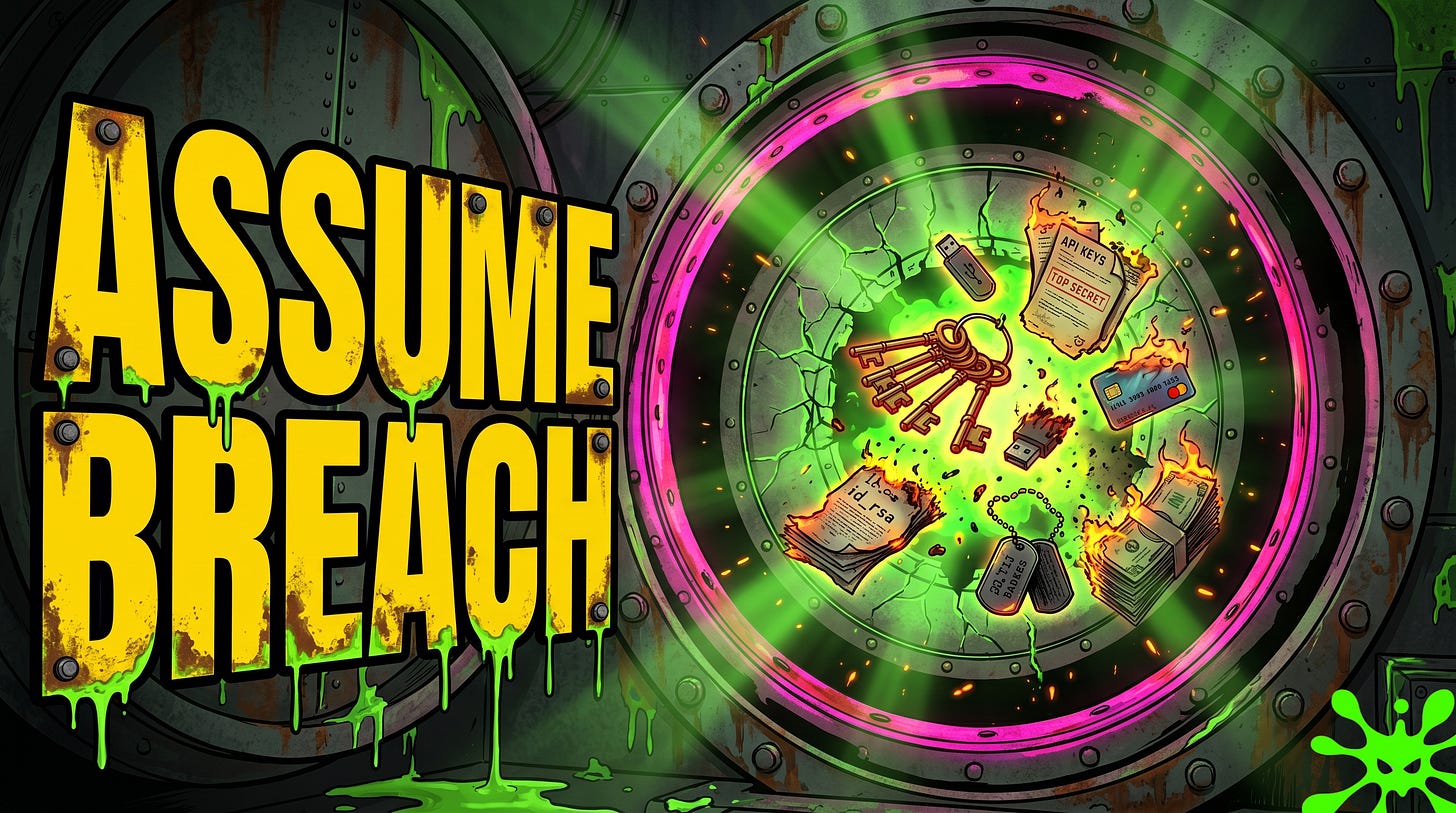
LLM defense in depth treats prompt injection as a likely breach and limits the damage by surrounding the model with deterministic controls like privilege separation, sandboxing, output blocking, and human approval. The article highlights real-world failures and standards guidance from OWASP, then shows how containment-focused design can prevent a landed injection from reaching credentials, tools, or sensitive operations. #OWASP #Anthropic #VannaAI #LiteLLM #TeamPCP #Grok4

The EU, UK, Spain, Canada, and other regulators issued major new AI, privacy, and cybersecurity updates focused on DMA enforcement, agentic AI governance, conversation-tracking risks, and stronger oversight of digital platforms and public-sector AI use. The reports also highlight rising concerns over frontier AI, post-quantum cryptography, and fragmented cybersecurity regulation as governments push for clearer accountability, transparency, and human rights protections. #DigitalMarketsAct #AESIA #AEPD #ICO #NIST #OECD #StockholmDeclaration #Act101