
This article demonstrates how a single child domain compromise in pentest.ignite.local can be escalated to full ignite.local forest control by forging a cross-domain Golden Ticket and injecting the Enterprise Admins SID through SID History. It also shows an alternative coercion-based path using PetitPotam to capture the forest root DC$ ticket and complete a full DCSync. #pentestlocal #ignitelocal #Rubeus #NetExec #PetitPotam
Category: Interesting Stuff
OpenAI’s “Cybersecurity in the Intelligence Age” outlines a five-pillar plan centered on Trusted Access for Cyber, a vetted access model that gives legitimate defenders lower-friction use of capable AI for tasks like vulnerability research, malware analysis, and patch validation. The article argues this approach shifts AI’s multiplier toward defenders, while acknowledging the added risk that verified accounts and lower refusal boundaries become higher-value targets. #OpenAI #TrustedAccessforCyber #GPT5.5Cyber
This article reflects on the first year of the Decoded Security newsletter, from a small CISSP study project into a growing cybersecurity learning platform with 1,304 subscribers. It highlights quizzes, study plans, guides, labs, and community support designed to help people prepare for CC, Security+, and CISSP while building real cybersecurity careers. #DecodedSecurity #CISSP #SecurityPlus #CC #ErichWinkler

The latest updates span major EU, UK, and US cyber and AI developments, including a CJEU ruling on GDPR-compliant use of unlawfully obtained evidence and new national measures in Ireland, Portugal, Spain, Italy, and the United States. Across the board, regulators and governments are pushing faster AI governance, stronger incident reporting, and accelerated post-quantum migration in response to growing AI-enabled and quantum-era threats. #CJEU #GDPR #IrelandAIAct #CCNCERT #CNCS #ANACOM #ACN #WhiteHouse #FiveEyes
AI agent incident response fails when teams cannot reconstruct what an agent saw, decided, and touched because privacy-first defaults leave almost no forensic trail. Incidents at PocketOS, Amazon Kiro, and Meta show how autonomous agents can cause destructive or unauthorized actions with valid credentials, making decision-path tracing essential for both recovery and compliance. #PocketOS #Amazon #Kiro #Meta #ClaudeOpus46 #EUAIAct
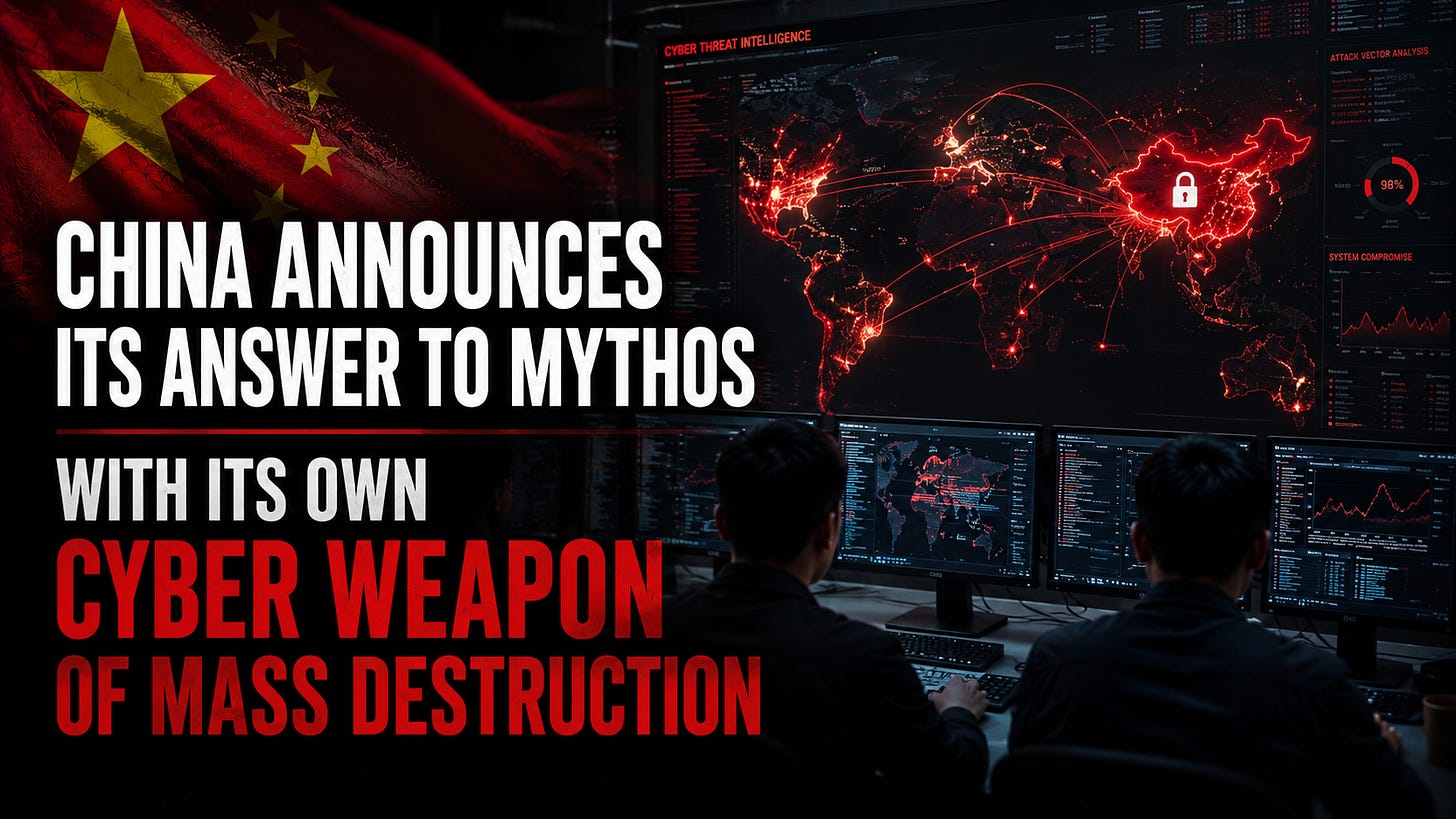
Qihoo 360 says its Tulongfeng system is nearly comparable to Anthropic’s Mythos, a model that dramatically accelerated vulnerability discovery and exploit chaining across IT and OT systems. The development underscores a global AI-driven arms race in cybersecurity, with China, the US, and criminal actors all seeking advantage from powerful vulnerability-finding capabilities. #Qihoo360 #Tulongfeng #Anthropic #Mythos #ZhouHongyi

Modern enterprise security now revolves around identity, trusted relationships, and privilege rather than just infrastructure defense, as attackers increasingly inherit valid access instead of breaking through the perimeter. The article argues that organizations must assume compromise, reduce standing privilege, and secure both human and machine identities to limit attacker impact. #ZeroTrust #MITREATTACK #BeyondTrust
This edition of The Cybersecurity Pulse covers the Klue breach, where attackers exploited a stale integration credential and OAuth tokens to access connected SaaS and CRM environments, alongside broader updates in AI security, OT security, and incident response. It also highlights major moves from OpenAI, Accenture, Dream, Snyk, Dragos, and Cisco, plus an awareness-test misfire by Newfoundland and Labrador Health Services. #Klue #OpenAI #Accenture #Dream #Snyk #Dragos #Cisco #Salesforce #LastPass #Huntress
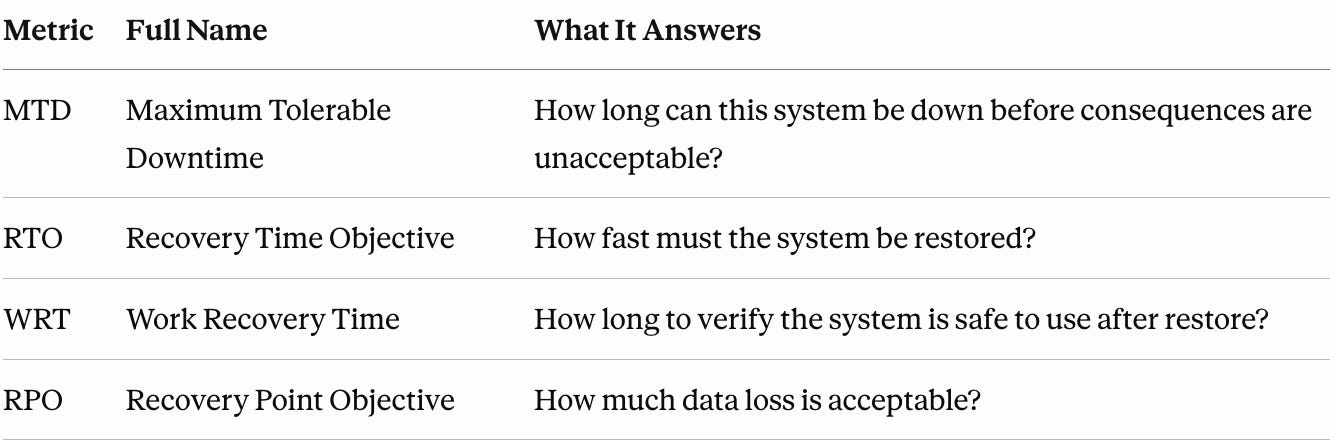
The article explains why backup strategies must be chosen based on business recovery metrics, not just technical preferences, using MTD, RTO, WRT, and RPO to guide decisions. It shows how Business Impact Analysis helps define acceptable downtime and data loss so organizations can balance recovery needs with cost and avoid failed restores. #MTD #RTO #WRT #RPO #BIA
This article argues that cybersecurity has entered a sixth era where hygiene is now the strategic discipline, because reducing attack surface through identity cleanup, secrets governance, and third-party inventory matters more than ever. It highlights April 2026 events, including Anthropic’s Claude Mythos, CVE-2026-31431, and the Vercel breach, to show that discovery costs are collapsing and unmanaged trust relationships are becoming the main path to compromise. #ClaudeMythos #CVE-2026-31431 #Vercel #SalesloftDrift #CISA #Anthropic

AI has transformed social engineering into a multi-channel, machine-speed attack chain that uses personalized lures, fake identities, and coordinated outreach across email, collaboration apps, social media, ads, and messaging. The article argues that defenders must move beyond blocking individual attempts and instead disrupt the entire campaign by targeting infrastructure, evidence, and takedowns across the attack lifecycle. #Doppel #BobbyFord

This guide demonstrates an end-to-end Active Directory lab engagement driven by plain-English prompts to Claude Desktop through HexStrike AI and NetExec, covering reconnaissance, exploitation, post-exploitation, and defensive log review. It shows how weak passwords, roastable accounts, delegation flaws, and credential storage issues can lead from initial access to Domain Admin and durable persistence in #IGNITE.LOCAL #NetExec #HexStrikeAI #ClaudeDesktop #LAPS #DCSync
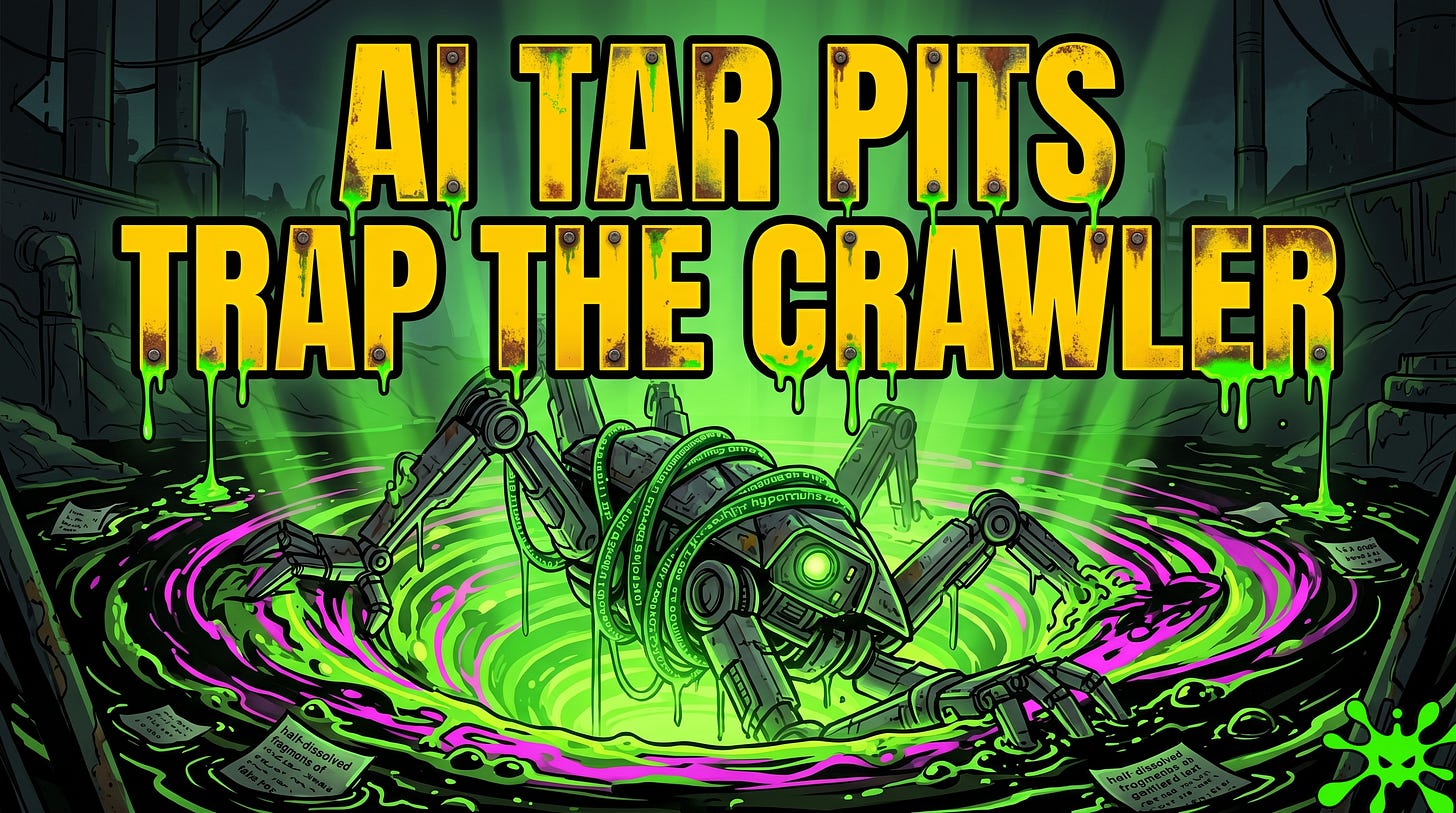
AI tar pits like Nepenthes, Iocaine, and Cloudflare’s AI Labyrinth trap unauthorized LLM crawlers in endless loops of machine-generated pages, wasting compute and making bot detection easier. They can also feed poisoned text into training data, raising the risk of model collapse and turning scraping into a costly arms race. #Nepenthes #Iocaine #Cloudflare #AILabyrinth #GergelyNagy

The European Union delayed several AI Act obligations while adding new bans on non-consensual intimate-image generation tools, and Canada, Vermont, and the FTC advanced major privacy and data-security reforms affecting AI, genetic data, data brokers, and edtech providers. CISA also replaced separate federal patching rules with a single risk-based remediation directive, while the FTC finalized an order against Illuminate Education after a breach that exposed data from more than 10.1 million students. #EUAIAct #PIPEDA #IlluminateEducation #CISA #VermontAct135 #VermontAct138

This guide shows how to connect BloodHound Community Edition to Claude Desktop through MCP to turn natural-language prompts into Active Directory graph analysis for the IGNITE.LOCAL lab. It then uses that workflow to map dangerous paths such as Kerberoasting, DCSync, Shadow Credentials, GPO abuse, AdminSDHolder abuse, and delegation flaws, ending with a prioritized remediation plan. #BloodHound #ClaudeDesktop #MCP #IGNITELOCAL #AdminSDHolder #ShadowCredentials #DCSync #Kerberoasting