This article explores the true motivations behind website malware attacks, emphasizing that financial gain drives most cybercriminal activities rather than ideological reasons. It also outlines common website malware threats such as SEO spam, browser redirects, phishing, fake browser updates, MageCart credit card theft, and defacements. #MageCart #Socgholish
Keypoints
- Most website malware attacks are financially motivated, targeting victims mainly in Western countries, while attackers often come from regions with poor employment prospects but strong technical education.
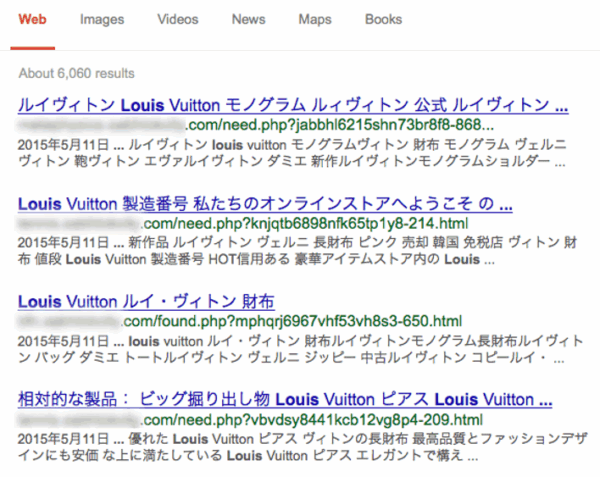
- SEO spam infects websites to embed backlinks and advertisements that boost the attackers’ spam sites in search engine rankings for profit.
- Browser redirects hijack legitimate website traffic to funnel visitors to scam or low-quality sites, often by modifying .htaccess or core files.
- Phishing pages are frequently hosted on hacked websites to conceal their origins and exploit the infected site’s SSL certificates for legitimacy.
- Fake browser updates, especially malware like Socgholish, trick users into installing trojans leading to ransomware attacks and network compromise.
- MageCart attacks target eCommerce platforms to steal credit card data, which is then sold on the black market for substantial profit.
- Defacements occur mostly for notoriety or ideological reasons rather than financial gain, acting as digital graffiti.
MITRE Techniques
- [T1566] Phishing – Attackers host fake login pages on compromised websites to steal credentials, using subdomains such as “chasebank[.]infectedwebsite[.]com” to appear legitimate.
- [T1090] Proxy – Browser redirects manipulate website traffic by modifying .htaccess, core, or theme files to redirect users to malicious sites.
- [T1190] Exploit Public-Facing Application – MageCart exploits vulnerabilities in eCommerce platforms like Magento and WooCommerce to steal credit card data.
- [T1204] User Execution – Fake browser updates like Socgholish trick users into downloading malware disguised as browser updates.
- [T1071] Application Layer Protocol – Attackers use legitimate website infrastructure hosting phishing pages and malware overlays to evade detection.
Indicators of Compromise
- [Domain] Phishing host subdomains – chasebank[.]infectedwebsite[.]com
- [File Name] Malicious plugins and theme files – fake browser update overlays, Socgholish malware components
- [Configuration File] Modified .htaccess files used for browser redirects
- [Platform] eCommerce platforms with vulnerabilities – Magento, WooCommerce, WordPress installations lacking security patches
Read more: https://blog.sucuri.net/2025/05/what-motivates-website-malware-attacks.html