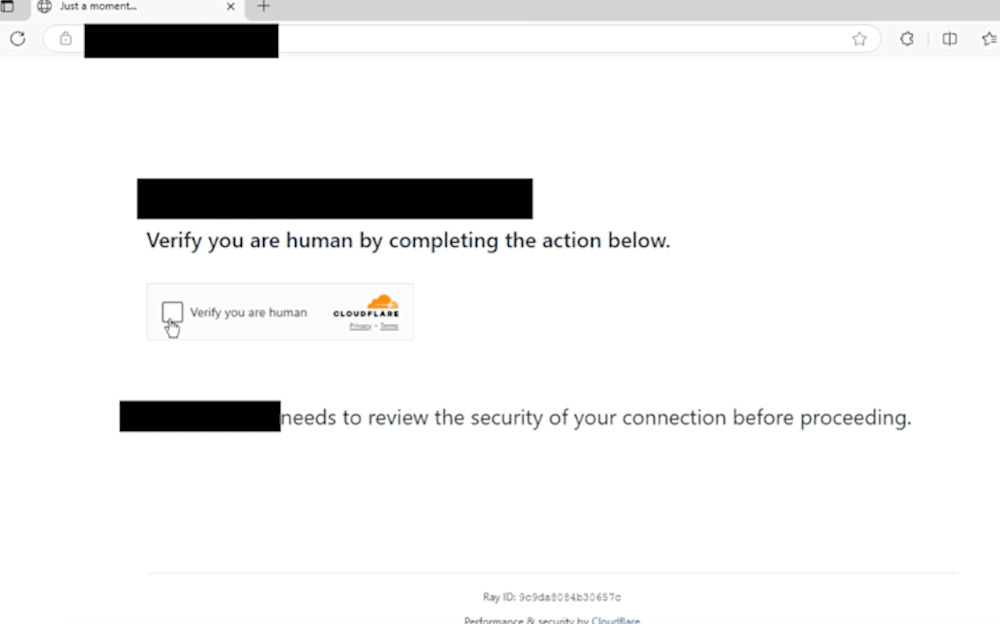
ShinyHunters has shifted to branded subdomain impersonation combined with phone-guided adversary-in-the-middle (AiTM) phishing and mobile-first lures, scaling attacks via outsourced spam and voice operators to rapidly steal valid SSO sessions and access SaaS data. Defenders should prioritize phishing-resistant MFA, hardened help-desk and MFA re-enrollment workflows, identity/session telemetry, and rapid session containment to limit identity-to-SaaS compromise. #ShinyHunters #Okta
Keypoints
- ShinyHunters is using subdomain-based brand impersonation (e.g., .sso-verify[.]com) to evade domain-based detection that focuses on registered domains.
- Attacks are phone-guided and mobile-first, leveraging AiTM phishing kits that proxy SSO flows to capture credentials, MFA challenges, and authenticated sessions in real time.
- The group reuses previously exposed CRM/ERP/HR SaaS data to craft credible pretexts and identify the “next best” person to socially engineer, creating repeatable targeting cycles.
- ShinyHunters scales operations by outsourcing call-center–style vishing and pressure services (SLH Operations Centre), including recruitment of voice operators and paid spam/disruption services.
- A single captured SSO session or help-desk–driven MFA reset can enable broad, malware-free access to email, files, HR, and CRM systems, enabling fast “smash-and-grab” exfiltration.
- Recommended defenses: phishing-resistant MFA (FIDO2/WebAuthn), stronger conditional access for SaaS, logging and monitoring of mobile sign-ins and SaaS audit logs, and rapid automated containment playbooks.
MITRE Techniques
- [T1566 ] Phishing – ShinyHunters uses voice- and SMS-driven phishing and help-desk pretexts to lure users; (‘phone-guided, adversary-in-the middle (AiTM) phishing and mobile-first lure engagement’).
- [T1557 ] Adversary-in-the-Middle – Attackers deploy AiTM phishing kits that proxy login flows to capture credentials, MFA challenges, and sessions in real time; (‘AitM phishing kits—tools that proxy the login flow to capture credentials, MFA challenges, and, most importantly, authenticated sessions in real time.’).
- [T1078 ] Valid Accounts – Captured SSO sessions and stolen credentials are used to access SaaS systems without malware; (‘With a valid single sign-on (SSO) session, attackers can quickly pivot across SaaS applications.’).
- [T1589 ] Gather Victim Identity Information – The group leverages previously exposed CRM/ERP/HR datasets to build believable pretexts and select targets; (‘reusing previously exposed software-as-a-service (SaaS) records to build believable pretexts and identify the “next best” person to socially engineer’).
- [T1098 ] Account Manipulation – Threat actors abuse help-desk and MFA re-enrollment workflows to reset or re-enroll MFA and gain account access; (‘Subdomain impersonation paired with social engineering speeds up software-as-a-service (SaaS) compromise through session theft and help-desk–driven MFA resets.’).
- [T1567 ] Exfiltration Over Web Service – Attackers use captured authenticated sessions to access and exfiltrate data from SaaS platforms; (‘The attacker uses the captured authenticated session to access and exfiltrate SaaS data.’).
Indicators of Compromise
- [Domain ] Subdomain- and SSO-themed domains used to host phishing pages and AiTM kits – acess-terms[.]com, okta[.]guide, and 8 more domains (e.g., help-okta[.]com, desk-okta[.]com, sso[.]guide, safe-okta[.]com, okta[.]domains, prod-okta[.]com, setup-okta[.]com, lock-okta[.]com)