
Intellexa’s Predator spyware can suppress iOS recording indicators to secretly stream camera and microphone feeds from infected devices. Jamf’s analysis shows Predator hooks SpringBoard’s sensor update path (HiddenDot::setupHook) to nullify SBSensorActivityDataProvider and prevent the green/orange dots from appearing, while using ARM64 pattern matching and PAC redirection to enable camera access. #Predator #Intellexa
Tag: SPYWARE

A critical stack-based buffer overflow in Grandstream GXP1600 phones (CVE-2026-2329) can allow unauthenticated attackers to execute code as root and intercept calls. Rapid7 reported the flaw and Grandstream issued a firmware patch (1.0.7.81), though exploitation requires skill. #Grandstream #CVE2026-2329…

ESET researchers analyzed PromptSpy, an Android malware that uses a VNC module and Accessibility Services to capture screens, steal unlock credentials, and enable remote control of compromised devices. The malware uniquely leverages Google’s Gemini generative AI at runtime—sending UI element XML to Gemini and following its JSON instructions for taps and…
![Cybersecurity News | Daily Recap [19 Feb 2026]](https://www.hendryadrian.com/tweet/image/DailyRecap.png "Cybersecurity News | Daily Recap [19 Feb 2026]")
Daily Recap, today’s briefing covers a surge of mobile threats led by PromptSpy leveraging Google Gemini for Android phishing in Argentina, along with Massiv banking malware and Keenadu infections spanning Russia, Japan, Germany, Brazil and the Netherlands. The update also highlights critical CVEs in Dell RecoverPoint for VMs, several VS Code extensions, Grandstream GXP1600 and Honeywell CCTV, notable breaches like Figure and ScreenConnect hijacks, evolving surveillance tools usage, and recent enforcement actions such as Red Card 2.0, with AI governance and security funding developments shaping the broader cyber landscape. #PromptSpy #Gemini #Argentina #Massiv #ChaveMovelDigital #Keenadu #Russia #Japan #Germany #Brazil #Netherlands #BRICKSTORM #GRIMBOLT #DellRecoverPointForVMs #VSCode #Grandstream #Honeywell #SmarterMail #Figure #ScreenConnect #VoltTyphoon #Cellebrite #Predator #TPLink #EX1227432 #Copilot #Grok #RedCard2
.jpg "PromptSpy is the first known Android malware to use generative AI at runtime")
PromptSpy is the first known Android malware to integrate generative AI into its execution flow, using Google’s Gemini model to generate device-specific instructions that help it pin and persist in Recent Apps. The spyware also includes a VNC module for full remote access, can capture PINs and screen activity, and uses invisible overlays to block uninstallation. #PromptSpy #Gemini
Daily Recap, the latest cyber threats cover exploited zero-days like Dell RecoverPoint CVE-2026-22769 used by UNC6201 to deploy GRIMBOLT/SLAYSTYLE with Ghost NICs, and a spectrum of high-impact flaws, supply-chain breaches, and targeted espionage campaigns. The recap also notes active exploitation of TeamT5 CVE-2024-7694, Ivanti EPMM backdoors bypassing patches, Keenadu firmware backdoors, CrescentHarvest espionage, and AI/Cloud risks including Copilot as C2 and Grok deepfakes, plus notable data leaks and enforcement actions. #UNC6201 #GRIMBOLT #SLAYSTYLE #DellRecoverPoint #TeamT5 #IvantiEPMM #Keenadu #CRESCENTHARVEST #Copilot #Grok #Eurail #Cellebrite #DavaIndia #Notepad++ #Chrysalis #PaloAltoNetworks #Koi #VulnCheck

Citizen Lab found high-confidence indicators that Kenyan authorities used Cellebrite forensic extraction tools on pro-democracy activist Boniface Mwangi’s Samsung phone while it was in police custody in July 2025. Separate investigations also confirmed Intellexa’s Predator spyware infected Angolan journalist Teixeira Cândido’s iPhone in May 2024, highlighting a broader pattern of commercial…

Acronis TRU uncovered a targeted espionage campaign named CRESCENTHARVEST that uses Farsi-language protest lures to trick victims into opening malicious .LNK shortcuts and install a multi-module stealer/RAT. The implant chain relies on DLL sideloading via a signed Google binary, extracts browser app‑bound keys, logs keystrokes and exfiltrates data to a C2 in Riga. #CRESCENTHARVEST #AcronisTRU

Citizen Lab found traces of Cellebrite’s commercial data-extraction technology on Kenyan activist Boniface Mwangi’s phone after his arrest, suggesting his private communications and photos were accessed. The discovery adds to allegations of Cellebrite being used against activists in multiple countries and has sparked calls for the company to publish its sales…
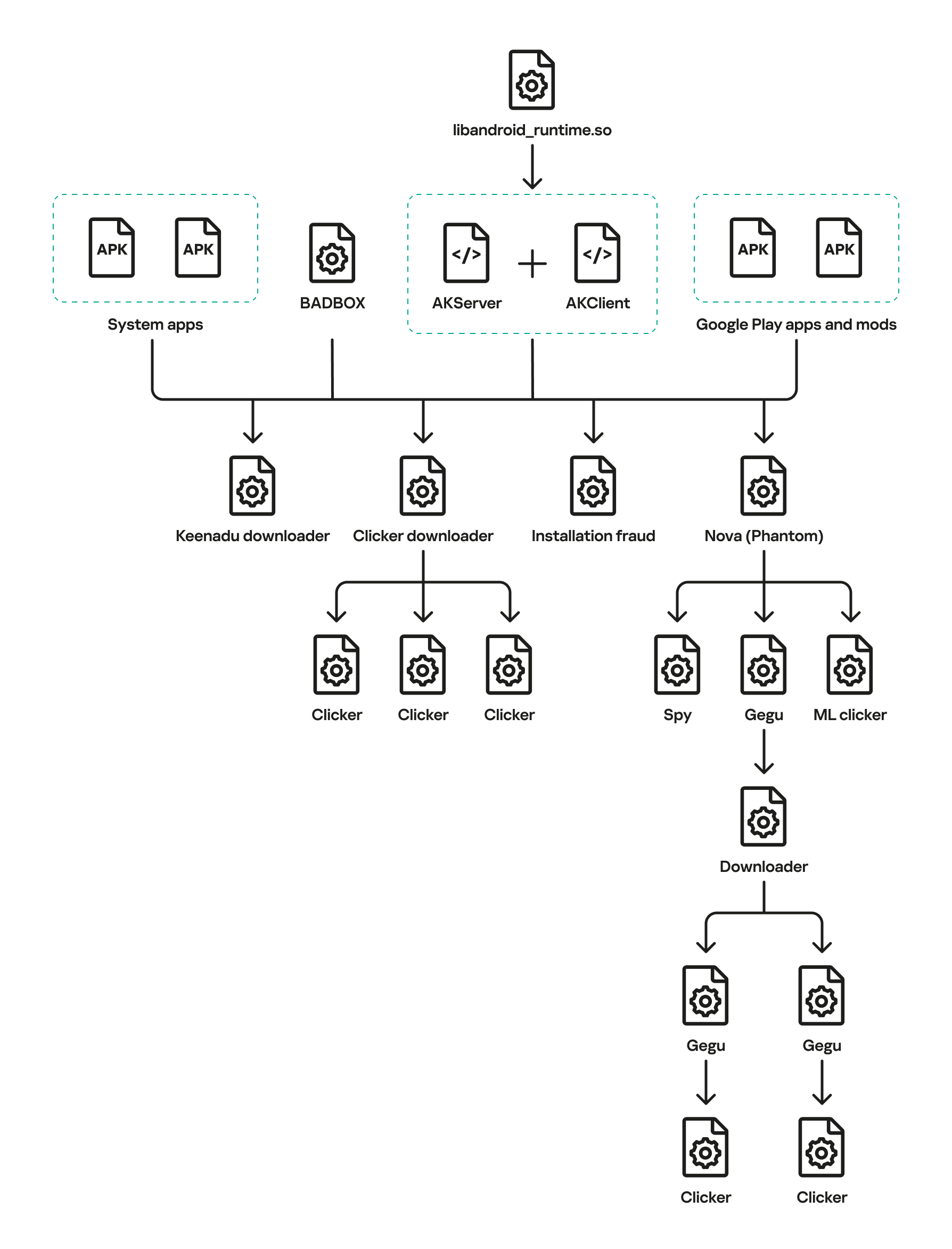
Keenadu is a firmware-level Android backdoor embedded into libandroid_runtime.so and some system apps during the firmware build phase, which injects into the Zygote process to load malicious modules into every app and expose a binder-based malicious system service. The platform delivers encrypted modular payloads (clickers, loaders, monetizers, spyware) via HTTP-based C2 infrastructure and shows links to other large Android botnets including BADBOX and Triada. #Keenadu #BADBOX

Google released the first Android 17 beta with a range of privacy, security, and developer-focused improvements across performance, media, camera, and connectivity. Major security changes include deprecation of the usesCleartextTraffic attribute (blocking cleartext by default without a network security config), a public SPI for HPKE hybrid cryptography, certificate transparency enabled by…

Google released emergency updates to fix a high-severity Chrome zero-day, CVE-2026-2441, that has been exploited in the wild. The vulnerability is a use-after-free caused by an iterator invalidation in CSSFontFeatureValuesMap, and Google backported fixes to Stable Desktop releases for Windows, macOS, and Linux while noting further related work remains. #CVE-2026-2441 #Chrome

Researchers discovered more than 300 Chrome extensions that leak browsing data, spy on users, or steal information, impacting over 37.4 million users. Investigations by Q Continuum and LayerX link many extensions to coordinated operations, data brokers, and known spyware distributors, with some extensions specifically targeting Gmail and injecting remote iframes to…

An alleged Uzbekistan cyberattack originally claimed to have exposed personal data of 15 million citizens actually involved roughly 60,000 individual data units, not 60,000 people. Digital Technologies Minister Sherzod Shermatov said three government information systems were accessed in late January and authorities have strengthened controls, including added OneID authorization, to limit…
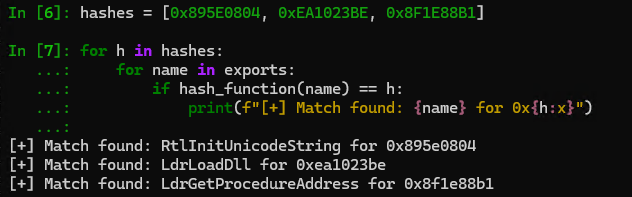
OysterLoader (aka Broomstick / CleanUp) is a multi-stage C++ loader distributed via fake signed MSI installers that delivers payloads (notably Rhysida ransomware and commodity stealer Vidar) using staged shellcode, custom LZMA, and steganographically hidden DLLs. Its operators use extensive obfuscation (API-hammering, dynamic API hashing, custom Base64 alphabets and RC4), robust HTTP-based C2 with fallback servers, scheduled-task persistence, and anti-analysis checks. #OysterLoader #Rhysida