Borchert & LaSpina, P.C. in Queens, New York was reportedly targeted by the Akira ransomware group, with corporate data and sensitive client materials such as passports, driver’s licenses, SSNs, financial records, and confidential legal files at risk. The claim indicates impacts to the United States. #UnitedStates
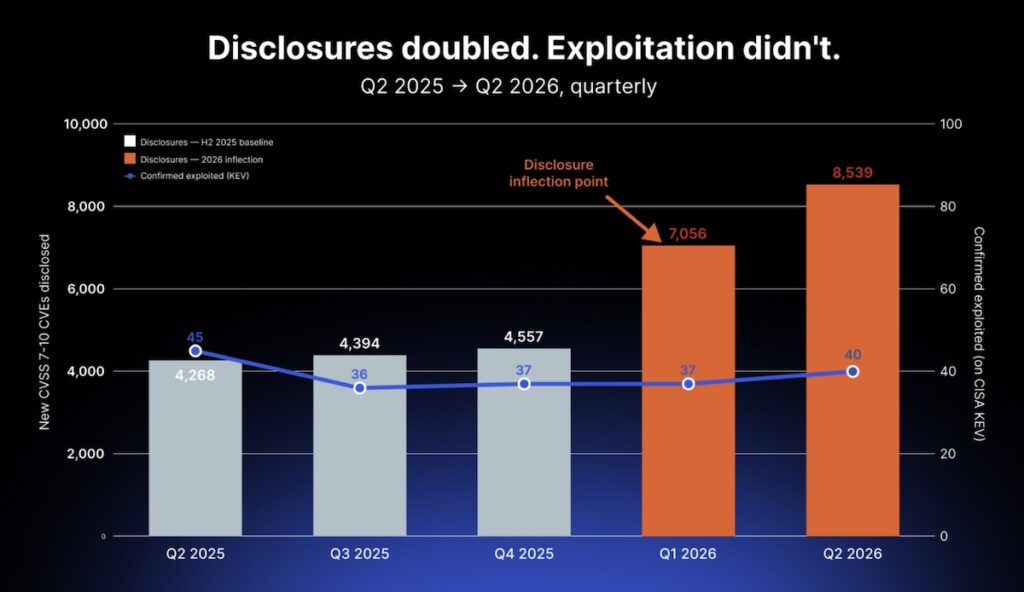
Rapid7 says AI is compressing the time between vulnerability disclosure and exploitation, making traditional patch cycles too slow to keep up. The report highlights rising “Holy Grail” vulnerabilities, active CRINK nation-state operations, and ransomware groups like Qilin, The Gentlemen, DragonForce, Akira, and LockBit, while urging defenders to focus on exposure rather…

Nico Waisman’s career evolved from self-taught hacking in Argentina to leadership roles in offensive security, open source protection, defensive security, and AI-driven security at XBOW. He sees cybersecurity as a path shaped by curiosity, mentorship, and adaptation, while warning that AI could soon enable autonomous malware attacks at massive scale. #NicoWaisman…

Artificial intelligence is accelerating exploitation and compressing the time between patch release and active attack, putting traditional cybersecurity defenses under pressure. This discussion explores whether detection-first security operations can keep up, or if prevention must become the default approach as attackers move at machine speed. #Automox #SilveradoPolicyAccelerator #VectraAI…
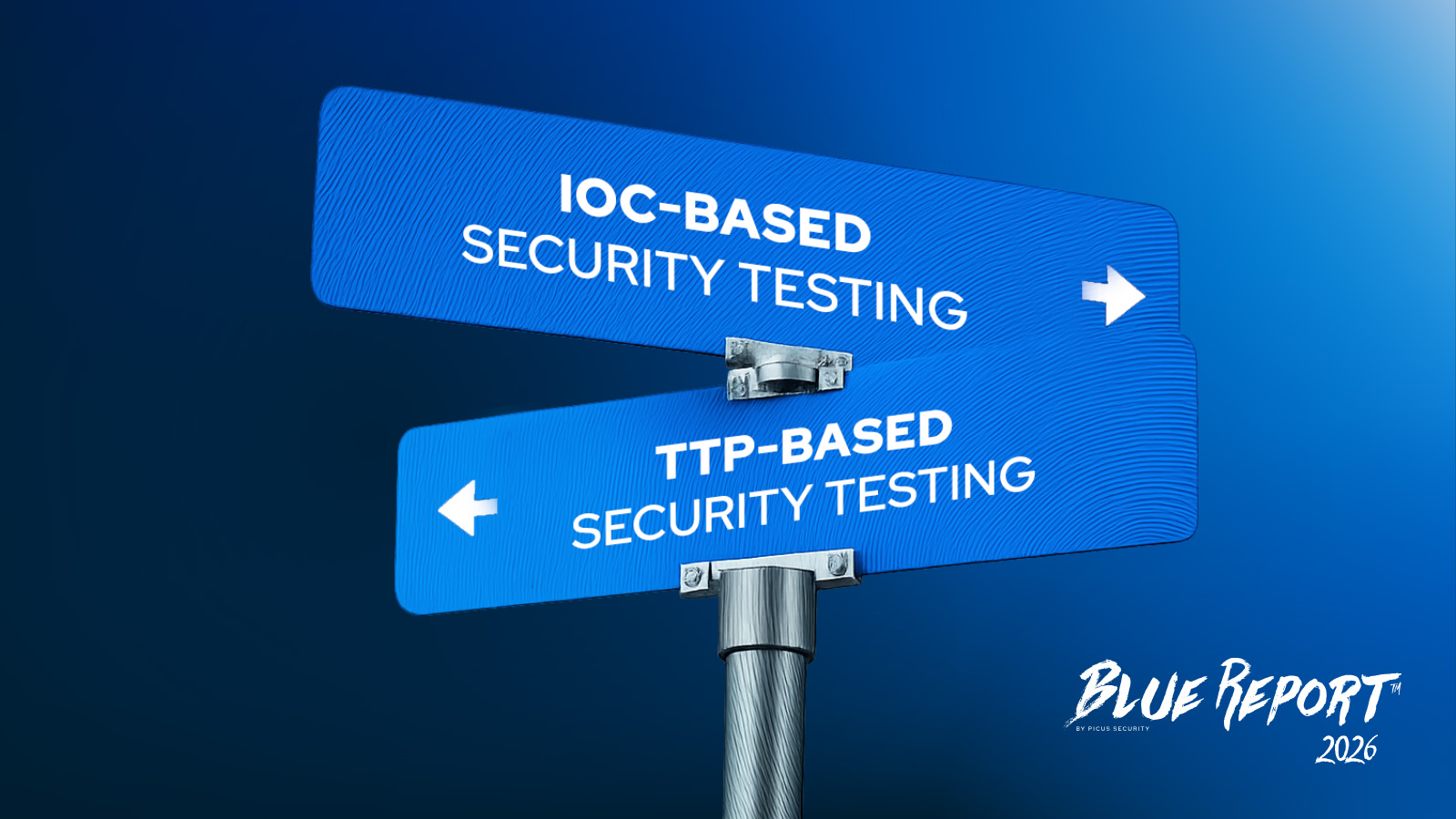
The Blue Report 2026 from Picus Labs shows enterprise prevention recovered to 69%, but the gains hide serious weaknesses in behavioral defenses, especially once attackers are inside the network. Testing across Mimikatz and other post-compromise techniques shows that signature-based controls often miss quieter variants, with credential dumping and registry-based attacks slipping through far more easily than classic LSASS memory access. #PicusLabs #BlueReport2026 #Mimikatz #LSASS #ProcDump #comsvcsdll #SharpHound #T1003

The prosecutor told the Zurich District Court that malware attacks on Western companies can serve Russia’s broader strategy by causing unrest and targeted damage. He said the alleged mastermind had cooperated with the FSB and later died in Moscow after falling from a window, while no direct link between the defendant and Russian intelligence has been proven. #FSB #ZurichDistrictCourt
Acronis’ 2026 patch-quality analysis shows that software severity and real-world install behavior are different signals, with Chrome and Adobe PDF standing out as the top testing priorities for SMB Windows fleets. The report also finds that patch risk is concentrated in a small set of products, and that monthly warning rates can swing sharply, so MSPs should combine vendor severity with deployment telemetry before rolling out updates. #GoogleChrome #AdobePDF #MicrosoftWindowsServer #Node.js #MicrosoftEdge #MicrosoftOffice

ARMA, the Ukrainian Agency for Asset Recovery and Management, reported an unauthorized intrusion on its servers that appears to be a cyberattack. NABU and SBU are investigating the incident, which may be part of a coordinated campaign against the agency and its asset manager selection process. #ARMA #NABU #SBU
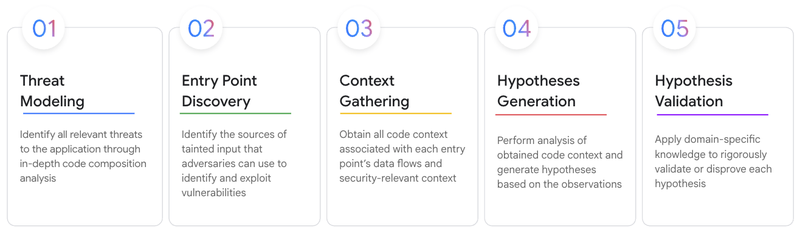
Mandiant describes AVDH, an agentic vulnerability discovery harness that combines LLMs, structured orchestration, and human expertise to find and validate software flaws at scale. In real-world use, it uncovered over 100 critical vulnerabilities in two days, contributed to 12 assigned CVEs, and identified an RCE in a client web application source code. #AVDH #Mandiant #CodeMender #GoogleAntigravity #GoogleAgentDevelopmentKit #GeminiFlashLite #CVE-2026-13242 #CVE-2026-55803

BOMOHSA, a Service Contractor generating US$ 20,000,000 in revenue in HN, was targeted by the gunra threat actor in a ransomware attack. The incident affected operations in Honduras #Honduras
Berlin Brandenburgische Wohnungsbaugenossenschaft, DE was targeted by the qilin ransomware group, resulting in disruption and potential data exposure. The incident impacted Germany #Germany
This final warning claims that shinyhunters, operating against Logitech/Streamlabs, issued a ransomware ultimatum requiring contact by 21 Aug 2026 or facing a data leak and associated disruptive “digital” problems. Updated 18 Aug 2026, the notice culminates in a threat to pay or leak, targeting Switzerland (#Switzerland).

Varonis Threat Labs discovered CoSnitch, a critical one-click flaw in Microsoft Copilot Personal that can silently execute attacker prompts, exfiltrate data, and poison persistent memory through trusted AI workflows. The research also introduced “meta-hacking,” where Copilot was manipulated into revealing its own weaknesses, and Microsoft patched the issue on August 18,…

Microsoft has removed the legacy Windows Management Instrumentation Command-line (WMIC) tool from Windows 11 24H2, 25H2, and new beta builds as part of its broader deprecation plan. The change is meant to improve security by eliminating a tool that threat actors and malware have long abused for actions like deleting Shadow Volume Copies, checking security software, and adding Microsoft Defender exclusions. #Microsoft #WMIC #Windows11

Microsoft says some users are experiencing search issues in Microsoft 365 apps, including Outlook on the web, Outlook desktop, SharePoint Online, and OneDrive, due to a recent deployment that caused resource utilization problems. The company says it has deployed a fix to reduce resource pressure and restore service for affected users. #Microsoft365 #Outlook #SharePointOnline #OneDrive