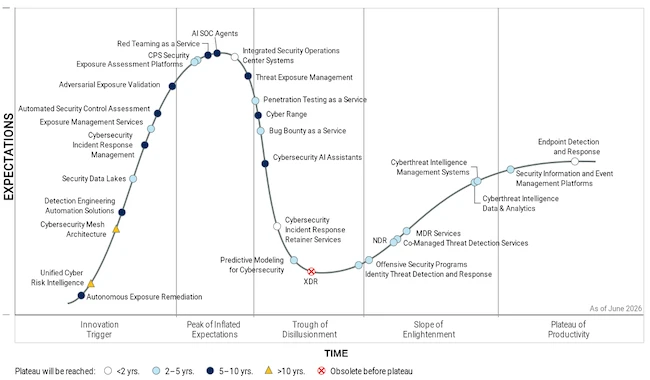
Gartner says AI SOC agents are moving rapidly from hype into real-world evaluations, but most organizations will only see measurable gains if they use a structured, outcomes-driven framework. The report highlights seven key evaluation areas, including workload reduction, vendor durability, analyst impact, autonomy boundaries, stack integration, and transparency, while survey data shows broad adoption but cautious trust. #Gartner #AI_SOC_Agents #Prophet_Security

Tencent’s Zhuque Lab released AI-Infra-Guard, an open-source scanner for AI systems that fingerprints services like Ollama, vLLM, and ComfyUI, checks thousands of CVEs, inspects MCP servers and agent skills, and tests models for jailbreak resistance. It also highlights risks from indirect prompt injection and notes that the tool should not be exposed directly because the open-source build has no built-in authentication. #AI-Infra-Guard #ZhuqueLab #Ollama #vLLM #ComfyUI #SkillTrustBench #MCP
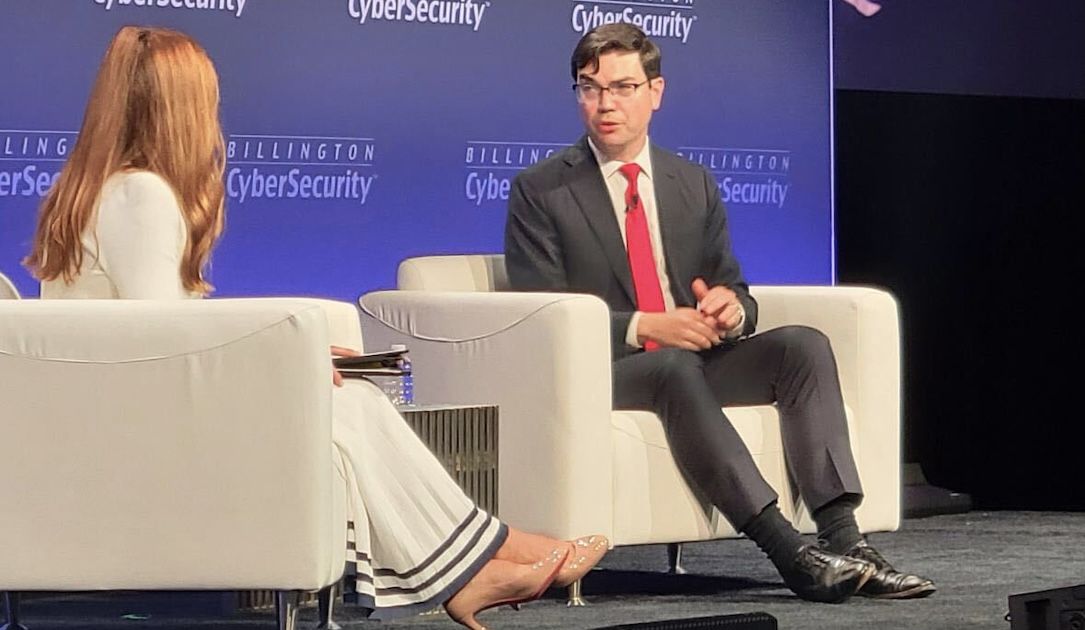
CIA cyber operators helped build a “flawless intelligence picture” that enabled U.S. forces to locate and capture Nicolás Maduro and his wife in Caracas during Operation Absolute Resolve. Deputy Director Michael Ellis also said AI will increasingly shape CIA cyber operations, intelligence collection, and analysis, with human oversight and safeguards in…

Malone Lam, a Singaporean national known as “Anne Hathaway” and “$$$,” pleaded guilty to racketeering for leading the Social Engineering Enterprise, which stole more than $245 million in cryptocurrency through coordinated scams and home break-ins. Prosecutors said the group impersonated Apple, Google, and customer support staff, targeted wealthy crypto holders, and…

CISA has added CVE-2026-86218, a critical static code injection flaw in N-able N-central, to its KEV catalog and ordered FCEB agencies to patch it by September 11, 2026. N-able said the issue has been exploited in the wild, while Huntress is investigating a compromise of a fully patched N-central environment and…
MacSync Stealer is a macOS information-stealing MaaS operation that uses ClickFix lures, malvertising, and multi-stage native Mach-O loaders to evade Apple defenses. It exfiltrates credentials, Keychain data, cookies, SSH keys, and crypto wallets through HTTPS C2 infrastructure and cleans up traces with self-deleting temporary files. #MacSync #ClickFix #drivinguber.com #newsinweb.com #com.utils.Launcher

Gayafores.es, headquartered in Onda, Castellón, Spain’s major ceramic manufacturing region, was targeted by ransomware attributed to safepay, with the company established in 1949. The attack resulted in disruption of its operations and data access, impacting Spain. #Spain
assiprime.it in Italy, reported a ransomware attack attributed to the safepay threat actor, impacting its operations by encrypting or disrupting systems associated with its insurance brokerage, risk-management, and financial consulting services. The incident highlights disruption risks to businesses and professionals in the affected region, with impacts reported in #Italy

Daily Recap, Authorities dismantled a crypto scam spree linked to a $240 million Bitcoin theft after suspects spent the stolen funds, while MikroTik patched critical RouterOS flaws used for unauthenticated device hijacking. The week also saw major breach disclosures (including Mathspace, a Vietnam-linked API leak of ~220 million traveler records, and a Berlin city-agency credential leak), plus ongoing identity and backdoor activity such as help-desk social-engineering targeting Microsoft 365 and the StyleSmuggler zero-day dropping a Linux backdoor.
#Bitcoin #RouterOS #MikroTik #Mathspace #Microsoft365 #StyleSmuggler #Linux #BigBear #MFA #Chrome #Edge #PEEP #Chrome #Edge #Berlin #Vietnam #API #Microsoft
A forum actor named Marx is offering access to an alleged live Transfast messaging portal containing 11.8 million SMS delivery records, including phone numbers, transaction confirmations, and money transfer details. The claim is unverified, but the exposed data could support remittance fraud or, if one-time codes are present, account takeover activity….
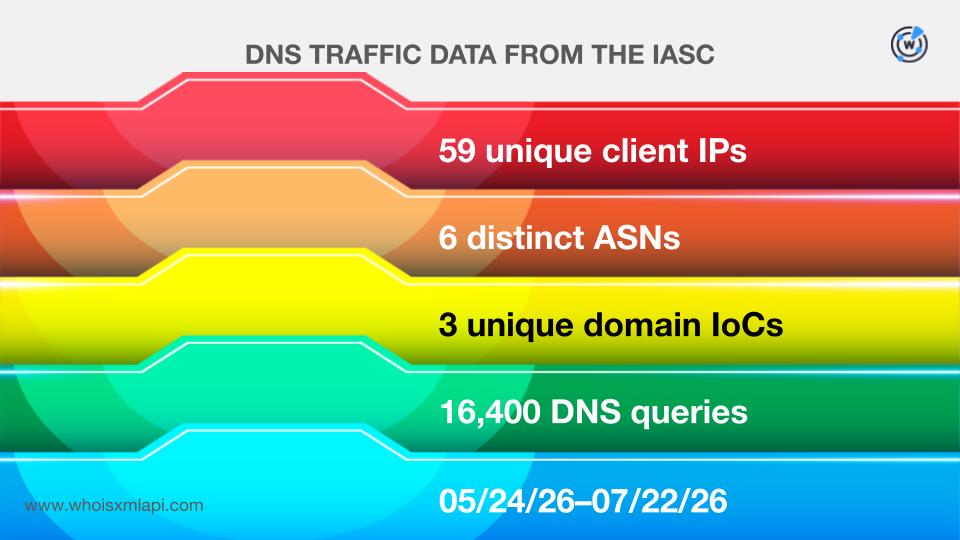
The article analyzes network IoCs linked to five notorious ransomware families—LockBit, Cl0p, Akira, Medusa, and Qilin—using WHOIS, DNS, and traffic data to uncover additional infrastructure and related artifacts. It highlights 84 network IoCs, thousands of connected domains and IPs, and several potentially compromised or malicious assets, including answersite[.]com and Medusa-related subdomains. #LockBit #Cl0p #Akira #Medusa #Qilin #answersitecom
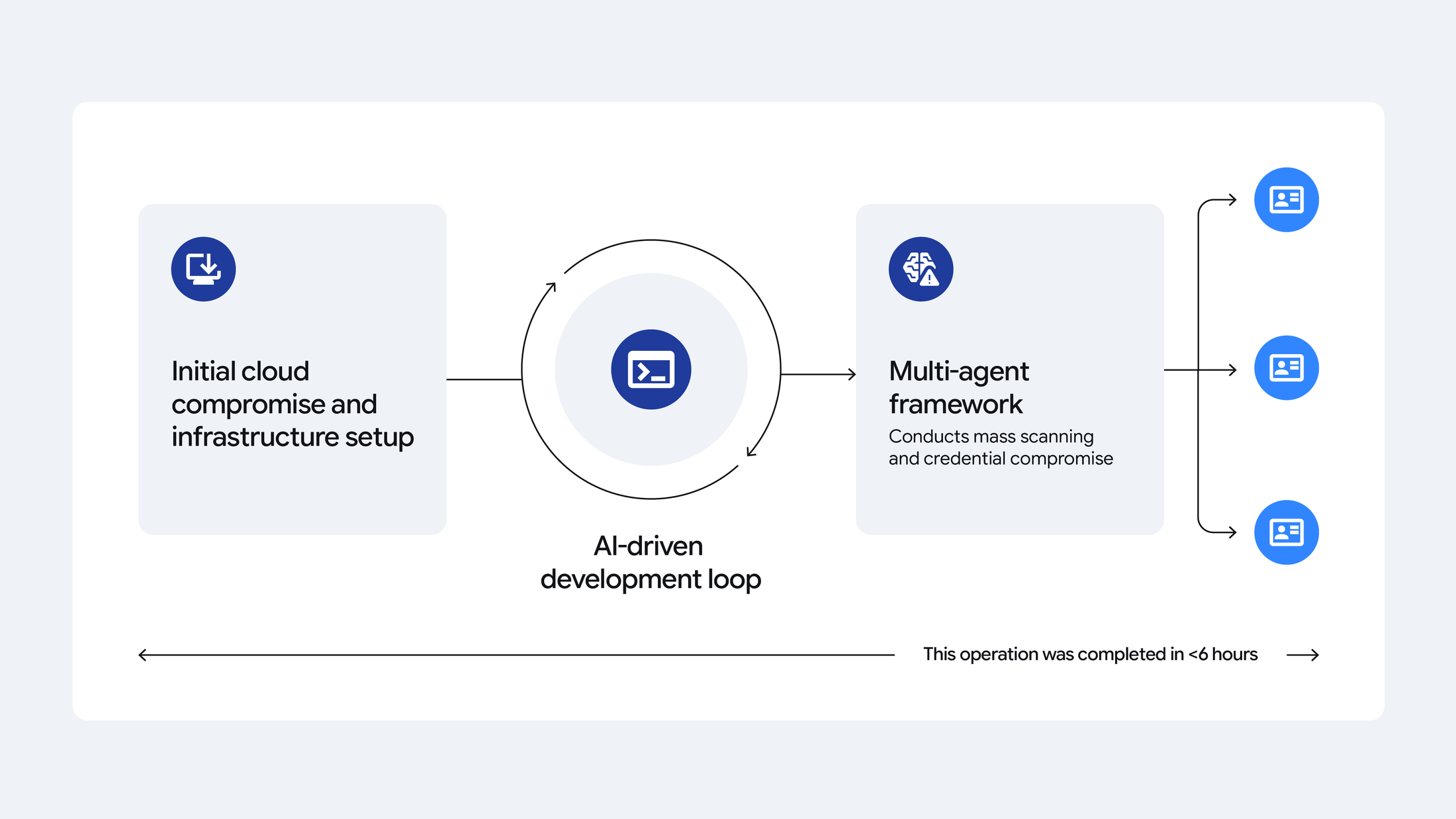
Google Threat Intelligence Group reports that adversaries in Q2 2026 rapidly advanced from basic AI prompting to agentic workflows, using AI for mass credential harvesting, supply chain compromise, and attacks on proprietary AI assets. The report also details UNC6780’s open source supply chain operations, multiple nation-state and cybercrime groups abusing Gemini across the attack lifecycle, and Google’s mitigations against misuse. #UNC6780 #DUSTMAKER #Gemini #UNC6508 #UNC5792 #SANDWORMRELIC #BASINCASTLE #CALANQUEION #RAVINECASTLE #MIDNIGHTNEPTUNE #UNC6240 #OutsiderEnterprise

Researchers at Calif discovered and privately reported a critical WeChat vulnerability that enabled them to build “WeWorm,” a worm that spreads through WeChat calls without any user interaction. The flaw let attackers compromise accounts and propagate across iOS and Android devices, prompting Tencent to release mitigations for the app and its servers. #WeChat #Tencent #WeWorm #Calif
Microsoft patched 974 defects in its largest-ever Patch Tuesday update, including two actively exploited zero-day vulnerabilities in the Windows Update Stack and Windows Advanced Local Procedure Call. Security experts said AI-assisted vulnerability discovery is increasing the number of disclosed flaws, but it has not yet caused a matching surge in real-world exploitation. #CVE-2026-81963 #CVE-2026-85880 #WindowsUpdateStack #WindowsAdvancedLocalProcedureCall
Microsoft’s latest Patch Tuesday set a new record with 973 disclosed bugs, including two actively exploited vulnerabilities tracked as CVE-2026-81963 and CVE-2026-85880. Researchers warned that thousands of unpatched Exchange servers and weaknesses in the Windows update stack could help attackers chain exploits into ransomware-style intrusions. #CVE-2026-81963 #CVE-2026-85880 #Microsoft #Windows #Exchange #AdobeCommerce…