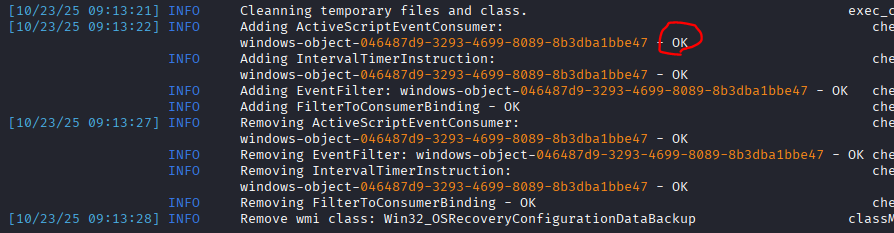
This article provides an in-depth analysis of Wmiexec-Pro, a sophisticated WMI/DCOM-based post-exploitation tool that avoids traditional process creation methods. It highlights detection opportunities and technical modules, emphasizing WMI-centric telemetry and registry monitoring techniques. #WmiexecPro #WMIThreats
Keypoints
- Wmiexec-Pro operates primarily over port 135 and the WMI service (wmiprvse.exe), avoiding SMB for file transfer and command execution.
- The framework manipulates registry settings, creates custom WMI classes, and uses VBScript for command execution, persistence, and data exfiltration.
- Detection requires monitoring WMI activity, such as unusual class creation, registry modifications, and telemetry from wmiprvse.exe and scrcons.exe.
- Advanced modules enable file transfer via WMI, control RDP and Restricted Admin modes, manage services, and cleanse event logs.
- Defenders should prioritize WMI telemetry, registry changes in security-sensitive locations, and behavioral anomalies to detect Wmiexec-Pro activities.
Read More: https://detect.fyi/deconstructing-wmiexec-pro-c3e8586ebdf8?source=rss—-d5fd8f494f6a—4