
This article highlights the importance of secure and private file sharing tools to protect sensitive data from cyber threats. It introduces three powerful solutions—Internxt Send, Send, and OnionShare—that enable anonymous and encrypted data exchange. #InternxtSend #OnionShare
Category: Interesting Stuff

This article introduces SUID3NUM, a Python tool that simplifies the enumeration and exploitation of SUID binaries on Linux systems, thereby aiding privilege escalation. It highlights how the tool segregates custom binaries, leverages GTFO Bins for exploits, and offers auto-exploitation features for quick system access. #SUID3NUM #GTFOBins

This cybersecurity assessment reveals how vulnerabilities in Samba 2.2.1a and Apache mod_ssl were exploited to gain root and limited access to a target system. The report highlights the use of Metasploit, Searchsploit, and manual exploits for remote code execution. #Samba2.2.1a #CVE-2003-0201 #Apachemod_ssl #CVE-2002-0082
Threat intelligence involves gathering and analyzing information about potential cyber threats to enhance organizational security. It encompasses different types of intelligence, such as strategic, tactical, operational, and technical, to help organizations make informed decisions and respond proactively to cyber attacks. #CyberThreats #ThreatActors

This article details a detailed walkthrough of exploiting a vulnerable WordPress website in a TryHackMe Smol room scenario, showcasing techniques such as plugin exploitation, privilege escalation, and password cracking. It offers valuable insights for beginners into real-world attack methods used against outdated and backdoored WordPress installations. #WordPressVulnerabilities #PluginExploitation

This article emphasizes the importance of operationalizing threat intelligence to enhance detection and response capabilities in cybersecurity. It highlights frameworks like the Pyramid of Pain and Detection Maturity Level (DML) to advance beyond IOC-based detection, illustrated through Sandworm’s 2022 Ukraine attack. #Sandworm #PyramidOfPain #DMLModel #ThreatIntelligence #OperationalDetection

This article emphasizes the importance of addressing detection gaps in SOC operations, which are often overlooked in favor of reducing false positives. Closing these blind spots improves visibility, threat detection, and overall security posture. #PowerShell #MLHTA

This article reviews four effective file encryption tools—Veracrypt, Picocrypt, Cryptomator, and 7-Zip—highlighting their features, setup procedures, and practical uses for safeguarding sensitive data. Using these tools helps protect against cyber threats, data leaks, and unauthorized access, especially in cloud storage and mobile devices. #Veracrypt #Cryptomator

DeepProbe is an open-source framework that automates memory forensics analysis across multiple operating systems, providing analysts with actionable forensic artifacts. It enhances detection accuracy by correlating anomalies, applying baselines, and mapping findings to the MITRE ATT&CK framework. #DeepProbe #MemoryForensics
Modern cybersecurity requires a comprehensive vulnerability intelligence strategy that goes beyond CVE monitoring by integrating multiple sources and automation tools. Utilizing various databases, open source advisories, and human expertise enhances threat detection and response capabilities. #CVE #VulnDB
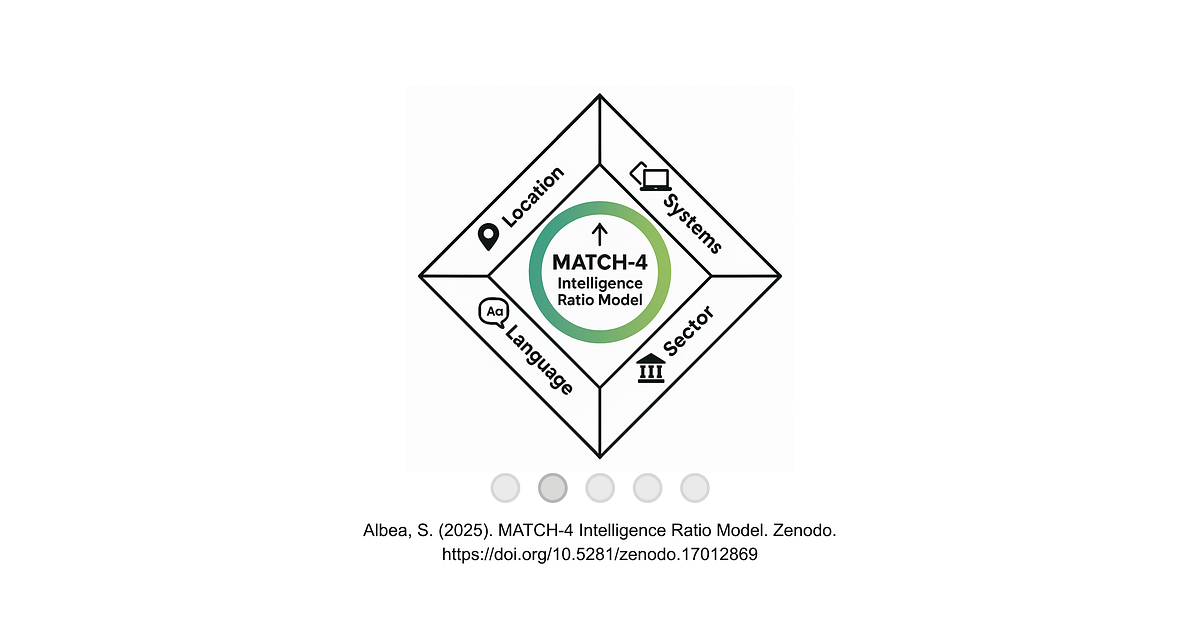
Modern Threat Intelligence feeds contain numerous indicators, but their relevance varies greatly depending on the sector and environment. The MATCH-4 Intelligence Ratio Model helps focus on high-confidence indicators by considering language, location, systems, and sector relevance, improving threat detection efficiency. #ThreatFeeds #Match4Model

This article explains how steganography techniques are used to hide information within media files like images and text. It details a practical walkthrough of detecting and extracting hidden data from a PNG image using tools like binwalk, John the Ripper, and CyberChef. #SteganographyDetection #UnicodeSteganography

The annual cybersecurity report by Anthropic presents detailed case studies showcasing how AI technologies like Claude Code are being misused by cybercriminals to conduct sophisticated data extortion, malware development, and fraud operations at scale. It highlights the evolution of AI-powered attacks that automate reconnaissance, exploitation, and extortion phases, demonstrating a significant shift in cyber threat tactics. #ClaudeCode #GTG2002 #VibeHacking

Two paragraphs explain that removing metadata from files, including images and documents, helps protect privacy when sharing. The article lists methods and tools for cleaning metadata across devices and platforms, while noting limitations and security considerations.
#metadata #Exif #ExifTool #MetadataCleaner #Tails

Identity-centric security aims to block risky logins at the moment of authentication by integrating device posture, threat intel, and compliance data with existing tools. The piece argues that legacy solutions detect post-login activity, so preventing access at login reduces risk, lowers SOC workloads, and improves ROI by turning authentication into a real-time security decision. #BeyondIdentity #CrowdStrike #Jamf #Intune