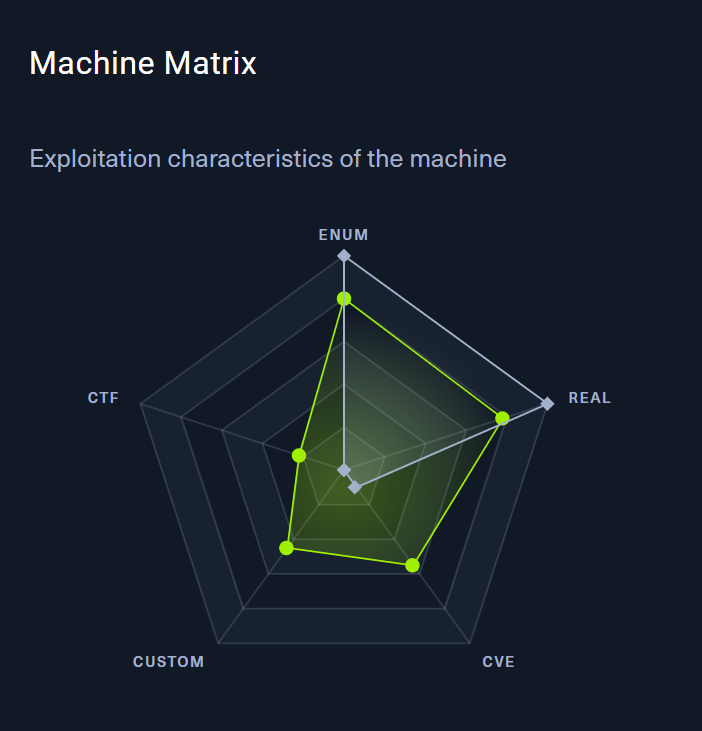
Blackfield is a hard-difficulty Windows machine where attackers exploit Windows and Active Directory misconfigurations. Through anonymous SMB access, attackers enumerate users, identify those vulnerable to AS-REP Roasting, and gain further access to sensitive data. The attacks involve stealing password hashes, exploiting user permissions, and culminating in full control of the domain through various techniques. Affected: Windows machines, Active Directory networks
Keypoints :
- Initial enumeration reveals an SMB share with anonymous access.
- Identified a user with Kerberos pre-authentication disabled, allowing AS-REP Roasting.
- Retrieved hash from the AS-REP response and recovered the plaintext password.
- Gained access to another SMB share containing forensic artifacts.
- Dumped Active Directory database and extracted domain administrator hash.
- Exploited various tools, including Kerbrute and BloodHound, for user enumeration and privilege escalation.
- Used techniques like DCSync and AS-REP Roasting to compromise domain security mechanisms.
- Identified vulnerabilities in the system using Windows Exploit Suggester.
- Accessed and analyzed critical files such as LSASS dump, NTDS.dit, and systeminfo.txt.
MITRE Techniques :
- Account Discovery (T1087): Used tools like BloodHound to enumerate accounts and permissions.
- Kerberoasting (T1098): Extracted service ticket hashes for users with SPNs.
- AS-REP Roasting (T1208): Identified vulnerable accounts and extracted AS-REP hashes.
- Credential Dumping (T1003): Retrieved NTLM hashes from the LSASS process dump and NTDS.dit.
- Permission Groups Discovery (T1069): Explored group memberships and permissions using LDAP queries.
- Remote File Copy (T1105): Used tools like Robocopy to copy sensitive files across the network.
- Service Account Discovery (T1087.002): Enumerated service accounts with specific roles in Active Directory.
- Exploitation for Credential Access (T1212): Used extracted hashes for Pass-the-Hash attacks.
- Data Encrypted (T1022): Analyzed encrypted files to identify security gaps.
Indicator of Compromise :
- [Domain] blackfield.local
- [IP Address] 10.129.229.17
- [Kerberos Hash] [email protected]:1955d29d48f18e19604f25f717bea716da11a18221517d4e6d31ae00195c48ee9ea558fb5e7cea9b2b712009ebb2bb5622118745d69906b0e1a5c5c84fd31bb73876bc8854488d1d3328cb92c31f13c76f371215f1dd73a9a0917b0ed550e5d0d3be27a61946ce5d6aa9ee1909d0e862075f2b9fef5cfd4e98867bce9a244035083c3f450ee3c12e160cab2d7b78499ecb95e1a100ab7dc8861f27954d77499db6cf21ec3c843751d45872b91bf61cede68718e51c3e7adfbc6b18e8ca795b061b542bb082aab290bf072e4d94425c983d9e4316d9aee21682dc1e66a2325f723972faf640456edf0e4640f52178fc18965dc4e40e095552624fdaaa88e1c2fe59d12df6d6d62d687bfe31d211036fe02db8f3652869d5e2025
- [NT Hash] 7f1e4ff8c6a8e6b6fcae2d9c0572cd62 (Administrator)
- [NT Hash] 9658d1d1dcd9250115e2205d9f48400d (svc_backup)
Full Story: https://medium.com/@eggsec6/blackfield-htb-2ce77152f1a2?source=rss——cybersecurity-5