The article explains GitHub’s guidance to harden npm package publishing by adopting Trusted Publishing (OIDC), enforcing stronger 2FA for publishing actions, and preferring WebAuthn/passkeys over TOTP while outlining benefits and trade-offs for CI/CD and account changes. It emphasizes replacing long‑lived tokens with ephemeral OIDC flows or scoped granular access tokens, tightening publishing settings, and adopting WebAuthn to reduce supply‑chain compromise risk. #ShaiHulud #npm
Keypoints
- Trusted Publishing (TPF) uses OIDC to exchange short‑lived, scoped publishing credentials instead of long‑lived tokens, reducing the risk from leaked secrets.
- TPF binds a specific CI/CD identity (e.g., a GitHub repository/workflow) to a package so npm only accepts publishes from pre‑approved provenance.
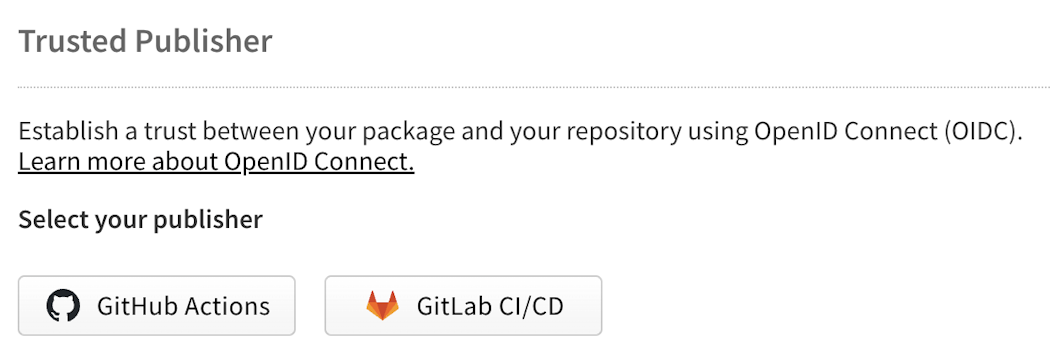
- Current TPF support is limited to GitHub Actions (hosted runners) and GitLab CI/CD (shared runners), and each package can only have one trusted publisher configured at a time, creating potential workflow friction.
- Two‑factor authentication should be required for publishing and sensitive operations; npm no longer allows new TOTP setups and recommends physical keys or passkeys (WebAuthn) instead.
- For automated publishing, legacy tokens have been disabled; use either TPF or granular access tokens with limited scope and expiration to minimize blast radius.
- TPF and WebAuthn shift trust and threat surface (to CI/CD and authenticators), so teams must still harden repository access, runner policies, and recovery plans—these controls complement, not replace, good security hygiene.
MITRE Techniques
- [None ] No MITRE ATT&CK technique identifiers (e.g., Txxxx) are explicitly mentioned in the article.
Indicators of Compromise
- [Domain ] Origin‑binding example used to illustrate WebAuthn protections – https://www.npmjs.com
- [Attack Name ] Named supply‑chain incident referenced as motivation for guidance – Shai‑Hulud (high‑profile npm compromise)
Read more: https://securitylabs.datadoghq.com/articles/decoding-the-recommendations-for-npm-maintainers/