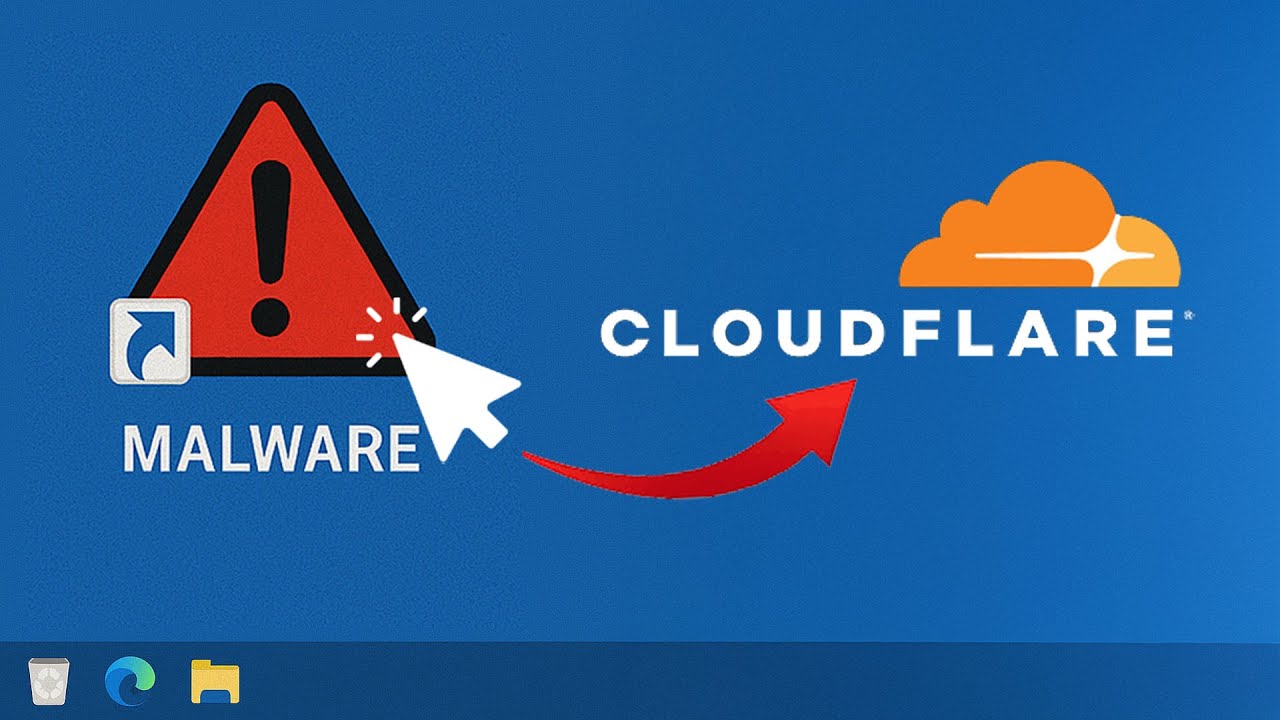
This video explains how Windows shortcut files can be exploited to deliver malware and extract sensitive data like NLM hashes without user interaction. Attacks leverage techniques such as self-referencing icons and cloud proxying to evade detection, highlighting advanced social engineering and bypass strategies. #NLMHashLeak #PowerShellExploit
Keypoints :
- Hackers can hijack Windows shortcut files to deliver malware and access system information stealthily.
- Link files can be manipulated to run malicious code, including reverse shells, without requiring direct execution.
- Deep customization of shortcut properties, such as self-referencing icons, enables zero-click exploits.
- Using proxy solutions like Cloudflare workers obfuscates traffic and makes malicious requests less detectable.
- Threat Locker’s ring fencing and lockdown features can block reverse shell and WebSocket connections at the process level.
- Deep understanding of link file structures allows attackers to leak NLM hashes via SMB share lookups.
- Tools and scripts are available online to generate malicious link files with minimal effort for penetration testing.
- Youtube Video: https://www.youtube.com/watch?v=JKK24EEpSDo
- Youtube Channel: NahamSec
- Youtube Published: Wed, 28 May 2025 13:00:37 +0000