Integrated Health Systems in the US reported a ransomware attack by the threat actor coinbasecartel, resulting in disruption to its systems and data. The incident impacted #UnitedStates

The U.S. Postal Service is finalizing regulations tied to President Donald Trump’s March executive order that could give the federal government broad authority over mail-in ballot eligibility and processing. Although the rules have been blocked by lower courts, USPS says it is moving ahead so the policy can be in place before the 2026 election while legal challenges continue. #USPS #DonaldTrump #Massachusetts
The Cybersecurity Pulse covers major developments including Taiwan’s AI-assisted intrusion campaign, OpenAI’s tightened safety controls after the Hugging Face incident, and new threat activity involving Siemens industrial controllers, a Windows zero-day used by Lazarus, and active exploitation of MLflow. It also highlights vendor and market moves such as Google Cloud’s post-quantum roadmap, Signal’s automatic key verification, Fortinet’s acquisition of Virtue AI, Cribl’s purchase of Radiant Security technology, and Mindgard’s $30 million funding round. #Taiwan #OpenAI #HuggingFace #Siemens #Lazarus #MLflow #GoogleCloud #Signal #Fortinet #VirtueAI #Cribl #RadiantSecurity #Mindgard

BOK Financial in the US received a final ransomware threat from shinyhunters demanding payment by end of day 24 Aug 2026 or the attackers will leak data. The message warns of disruptive “digital” problems and urges action to avoid becoming the next headline. #UnitedStates
Threat actor shinyhunters claims it has ransomware-related data affecting NovoCure Limited (IL) and issues a final warning dated 22 Aug 2026 to contact them by end of day 24 Aug 2026 to avoid data leakage and disruption. This warning is for NovoCure Limited in #Israel.
Vietnam Electricity (EVNHANOI), Vietnam’s state-owned national electric utility, was targeted by the emperador ransomware group, with attackers claiming theft of over 300GB of data including customer details, subscriptions, and account records, and that the ransom price is open to negotiation. The impact is reported for #Vietnam.
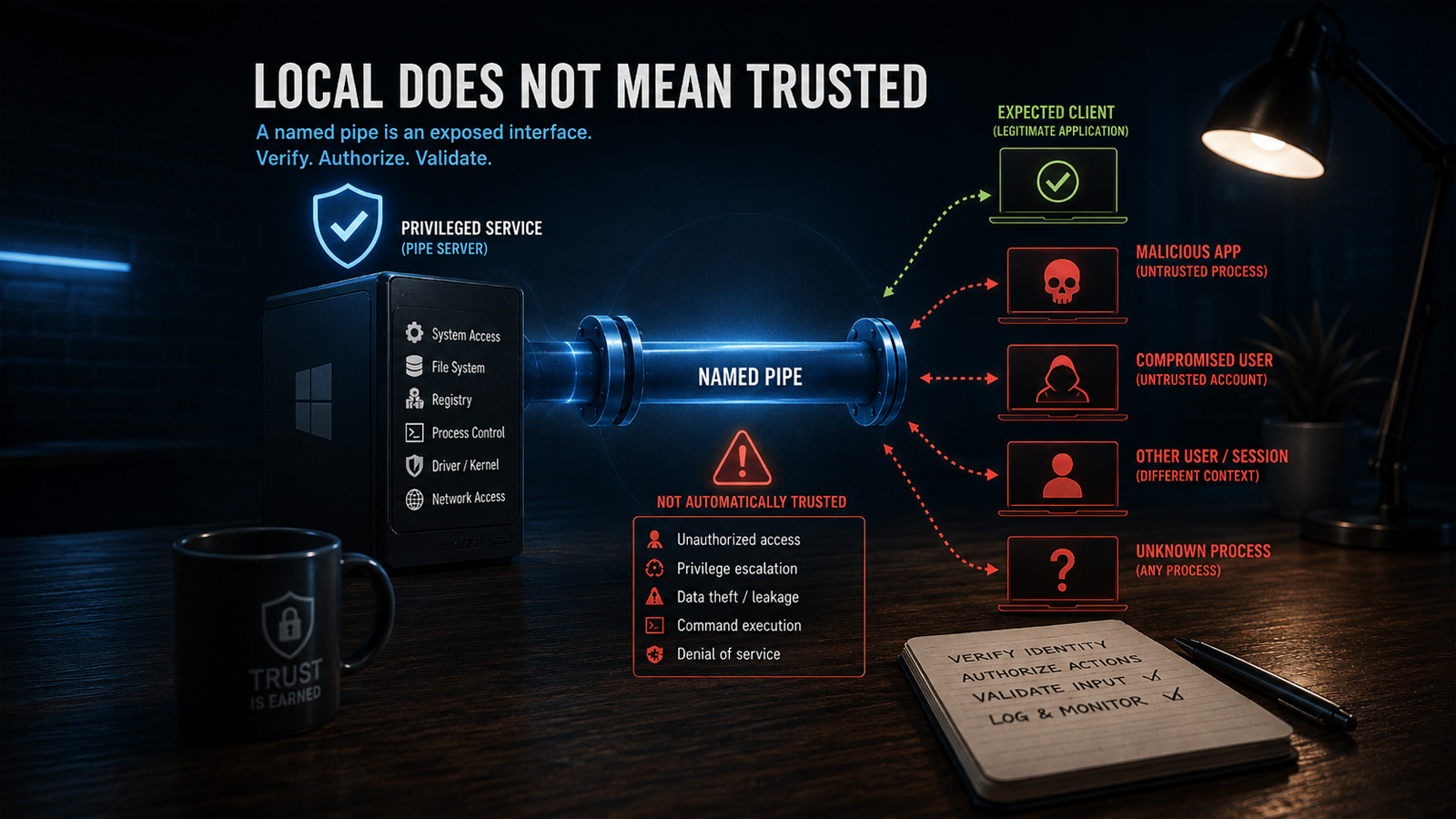
Named pipes on Windows can become a security boundary when privileged services communicate with less trusted applications, so they must be protected with restrictive access control, identity verification, and careful authorization. The article explains how to defend against confused deputy attacks, untrusted input, denial-of-service conditions, and remote exposure by using narrow protocols, bounded resources, and secure impersonation practices. #ThreatLocker #FaridMustafayev #NamedPipeServerStream #GetNamedPipeClientProcessId #ImpersonateNamedPipeClient #RevertToSelf #WinVerifyTrust

A supply-chain attack against Android-based car head units is spreading malware through a legitimate DoFun update app, turning compromised devices into proxy botnet nodes and tools for ad fraud. Kaspersky linked the campaign to the MoYu group and identified JarService, which downloads additional payloads, reports device details, and supports commands used for monetization. #MoYu #DoFun #JarService #TWCore #BadBox #zhima

The Hospital for Sick Children (SickKids) disclosed a data theft incident tied to a third-party software application that may have exposed personal information belonging to current and former employees, job applicants, and employees of related organizations. The hospital said no clinical systems or patient information were affected and has offered impacted…

TikTok, owned by ByteDance, agreed to pay $400 million to settle a U.S. lawsuit over alleged violations of child privacy laws, including claims it allowed children under 13 to create accounts and mishandled data collected through Kids Mode. The settlement follows regulatory scrutiny in the U.S. and Europe, where TikTok has…
Mogren, Glessner & Ahrens, P.S. (US) was targeted by the pear ransomware threat actor, affecting the firm’s ability to provide services related to family law matters. The impacted country(s): #UnitedStates
The Itagua,í Construções Navais S.A. (ICN) at icnavais.com in Portugal reported a ransomware incident linked to Threat Actor lockbit5. The attack impacted operations within Portugal #Portugal

U.S. Bancorp says LockBit’s recent data-theft claims stem from a contractor-related incident involving a third-party, not from any compromise of its own systems or network. The bank says it has informed law enforcement and is monitoring the situation while LockBit continues to threaten a leak without providing proof. #U.S.Bancorp #LockBit #RecordedFutureNews…

Members of Congress have asked the Government Accountability Office to review how staffing cuts at CISA have affected its ability to protect critical infrastructure and respond to growing threats. The letter raises concerns about lost expertise, reduced responsiveness, and proposed budget cuts that could further weaken the agency’s mission, especially amid…
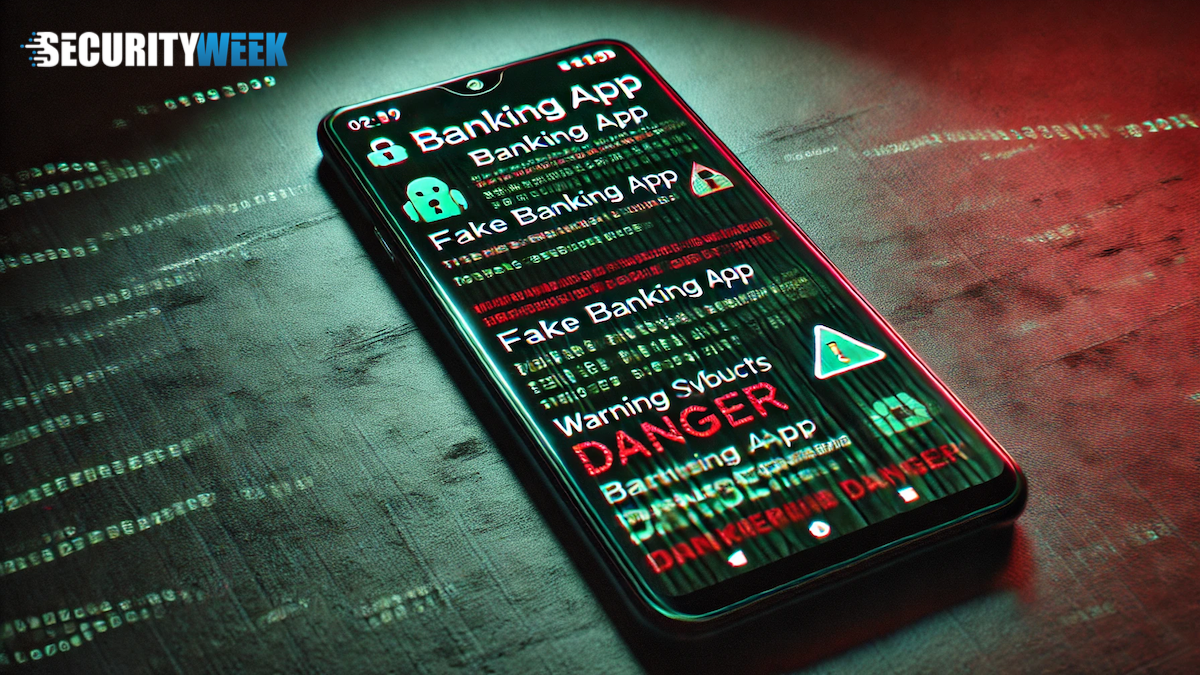
ThreatFabric, Acronis, and Zimperium reported new activity from banking trojans including Manic, Grandoreiro, and ToxicPanda 2.0, all designed to steal credentials, siphon data, and take control of infected devices. The campaigns are targeting banks, fintech services, and users across Ukraine, Latin America, Europe, and multiple other countries, with improved evasion and…