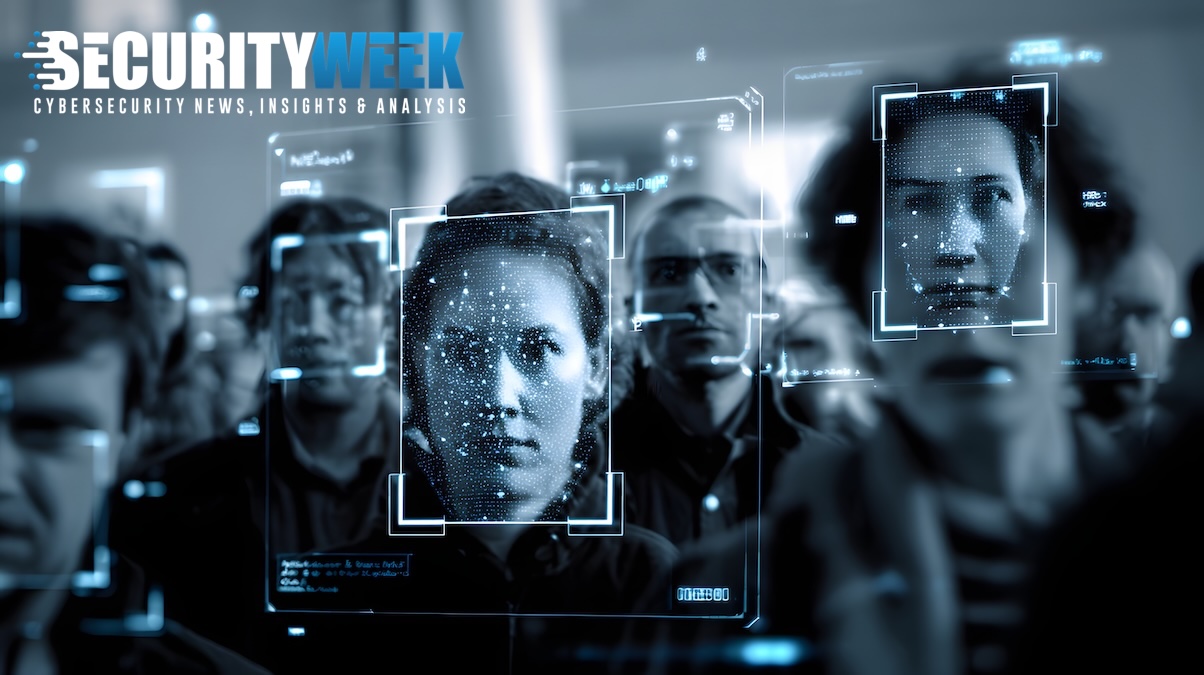
Facial recognition technology is widely used for public surveillance and access control, but it faces significant trust and security issues. Efforts are underway to improve its security and privacy features, especially for authorized access in private spaces. #Clearview #GDPR
Keypoints
- Public surveillance facial recognition raises major privacy and security concerns due to non-consensual data collection.
- Hacker attacks have exposed vulnerabilities in surveillance systems, leading to potential threats like tracking criminals or individuals.
- ZeroTier technology offers a secure, encrypted, peer-to-peer network solution to minimize risks of hacking in surveillance infrastructure.
- Private access authentication systems are shifting toward privacy-first solutions that do not store facial images but use cryptographic face-maps.
- Most people distrust facial recognition in public spaces, but secure, privacy-preserving methods are emerging for controlled environments.
Read More: https://www.securityweek.com/facial-recognitions-trust-problem/