
Developer laptops and AI-assisted workflows are becoming dense repositories of valid credentials, giving attackers an easy way in without exploiting vulnerabilities. The article explains why pre-incident visibility into live keys, their validity, and their locations is critical to reducing risk before a compromise becomes a breach. #GitGuardian #ShaiHulud #Nx #GhostAction #MCP
Category: Interesting Stuff
A context bomb is a defensive prompt injection technique that hides trigger text inside a decoy secret or file to make an AI agent’s own safety guardrails halt an intrusion. It works as both a canary and a trap, but defenders must tailor it to likely model families and still treat any hit as the start of containment. #Tracebit #AWS #ToxSec

Non-human identities such as workloads, scripts, bots, API clients, and AI agents are now central to enterprise risk because privilege, not the exploit itself, determines how far an attacker can go. The article argues that organizations must apply least privilege, just-in-time access, continuous verification, and session accountability to AI agents and other NHIs, as highlighted by CREST, the NCSC, DSIT, OWASP, Verizon, and NIST. #CREST #NCSC #DSIT #OWASP #Verizon #NIST #CyberShield #NonHumanIdentities
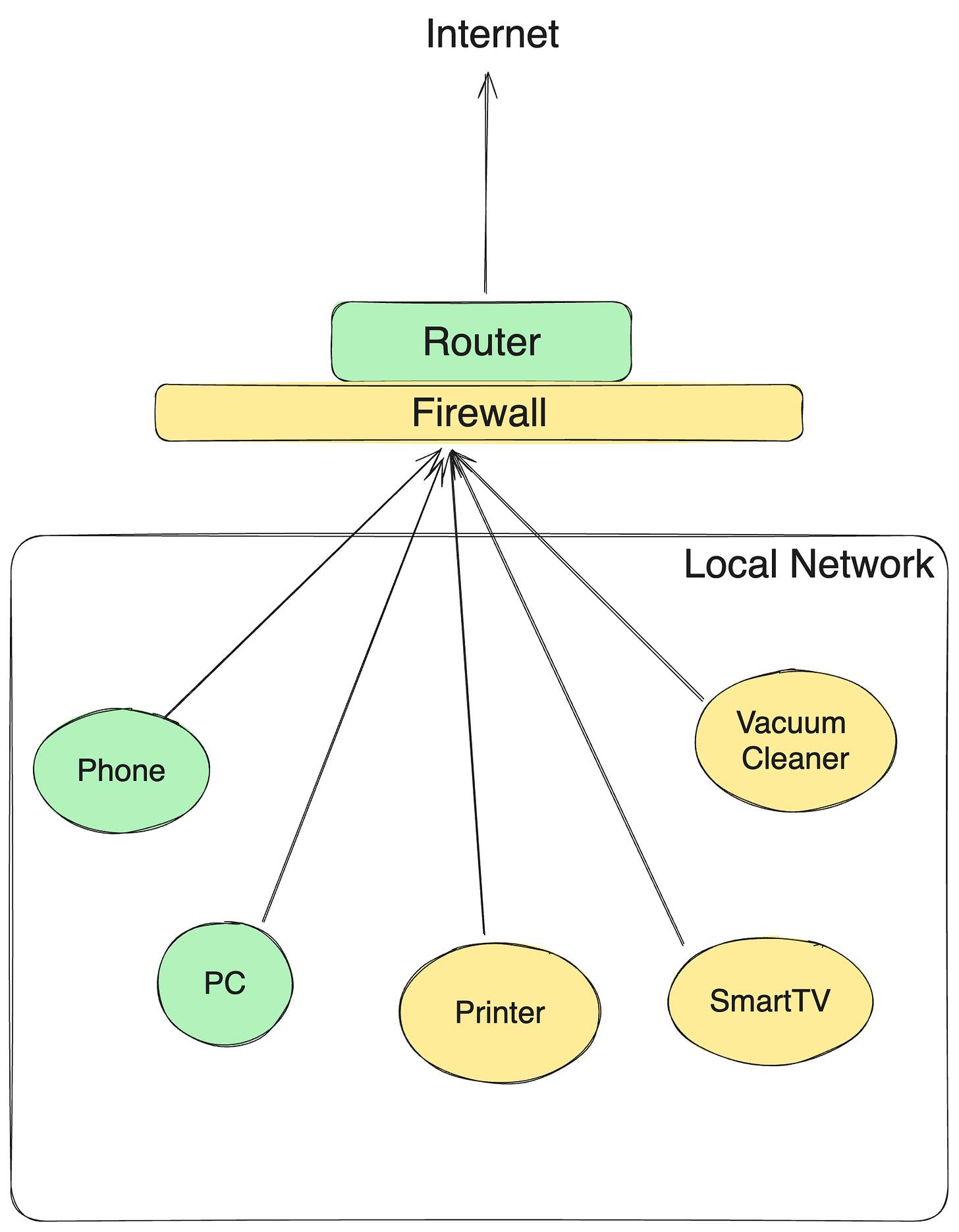
Smart devices like TVs, cameras, and printers often share the same home network as trusted devices, which makes them weak footholds if compromised. Segmenting them onto a guest network or IoT VLAN limits what an attacker can reach, even when a firewall is working properly. #SmartTV #VLAN #GuestNetwork #ARP #Port445 #Port22

Japan is moving to establish a new intelligence structure with Western support to better counter threats from Russia, China, and North Korea. The National Intelligence Council and National Intelligence Bureau are expected to improve foreign intelligence, policy decisions, and cooperation with alliances such as the Five Eyes. #Japan #Russia #China #NorthKorea #FiveEyes
Cybersecurity remains one of the strongest career options because the field is still growing, hiring demand is high, and many roles can be learned through the right fundamentals and direction. The article encourages beginners to choose a path that fits their background, with GRC and privacy protection highlighted as especially promising areas, and points readers to Decoded Security resources like the career quiz, study guide, and roadmap. #DecodedSecurity #GRC #PrivacyProtection #GDPR #NIS2 #DORA #AIAct
Canary tokens for prompt injection detection use a unique, high-entropy string planted in an LLM’s context and checked on output to confirm when sensitive prompt data has been extracted. They provide near-zero false positives and low-cost detection, but they do not block attacks or prevent leaks by themselves. #OWASP #LLM #PromptInjection

SeTcbPrivilege, or “Act as part of the operating system,” can let a low-privileged domain user impersonate SYSTEM and escalate to local administrator if it is misassigned through Group Policy. This article demonstrates how the tcb-lpe tool (tcb.exe) was used in the ignite.local domain to exploit that misconfiguration and highlights key mitigations such as privilege auditing, WDAC, and restricting WinRM access. #SeTcbPrivilege #tcb-lpe #tcb.exe #ignite.local #Evil-WinRM #DC.IGNITE.LOCAL
Episode 29 of The Cybersecurity Vault features Edna Conway discussing how AI models like Mythos are compressing the time from vulnerability discovery to exploitation, forcing boards and CISOs to rethink cyber strategy. She emphasizes resilience, business continuity, and cross-functional collaboration as essential for managing AI-driven threats and communicating cyber risk in business terms. #Mythos #EdnaConway #Cisco #MicrosoftCloud
This article examines the current state of AI tooling security visibility across sources like Claude Code, Cursor, OpenAI Enterprise, Codex, and Google Workspace Gemini, showing that each provides only partial logs and requires additional context for reliable detection. It emphasizes that teams must understand raw data, normalize logs, and enrich them before building detections, because vendor tools alone do not provide complete coverage. #ClaudeCode #Cursor #OpenAIEnterprise #Codex #GoogleWorkspace #Gemini

Authentication context helps systems understand not just that a user logged in, but how strong that login was and whether it is trustworthy for the action being requested. SAML 2.0 AuthnContext and OpenID Connect AMR/ACR give applications a shared way to assess assurance, support step-up authentication, and make smarter access decisions. #SAML #OpenIDConnect #AuthnContext #AMR #ACR

The European Commission’s new AI-Cyber Action Plan responds quickly to the rise of Mythos, outlining evaluation, access, and testing measures to make frontier AI safer for European cybersecurity. It also argues that Europe must move beyond regulation alone by mobilizing major capital, building sovereign AI capability, and reducing dependence on foreign providers. #Mythos #EuropeanCommission #ENISA #AIAct

A single delegated Windows right, SeTakeOwnershipPrivilege, can be abused to take ownership of protected System32 binaries on a Domain Controller and escalate a standard domain user to SYSTEM. The article shows two paths—hijacking Utilman.exe to reset the built-in Administrator password and replacing osk.exe with a reverse shell payload—then outlines mitigation and detection steps. #SeTakeOwnershipPrivilege #Utilman.exe #osk.exe #DomainController #winlogon.exe
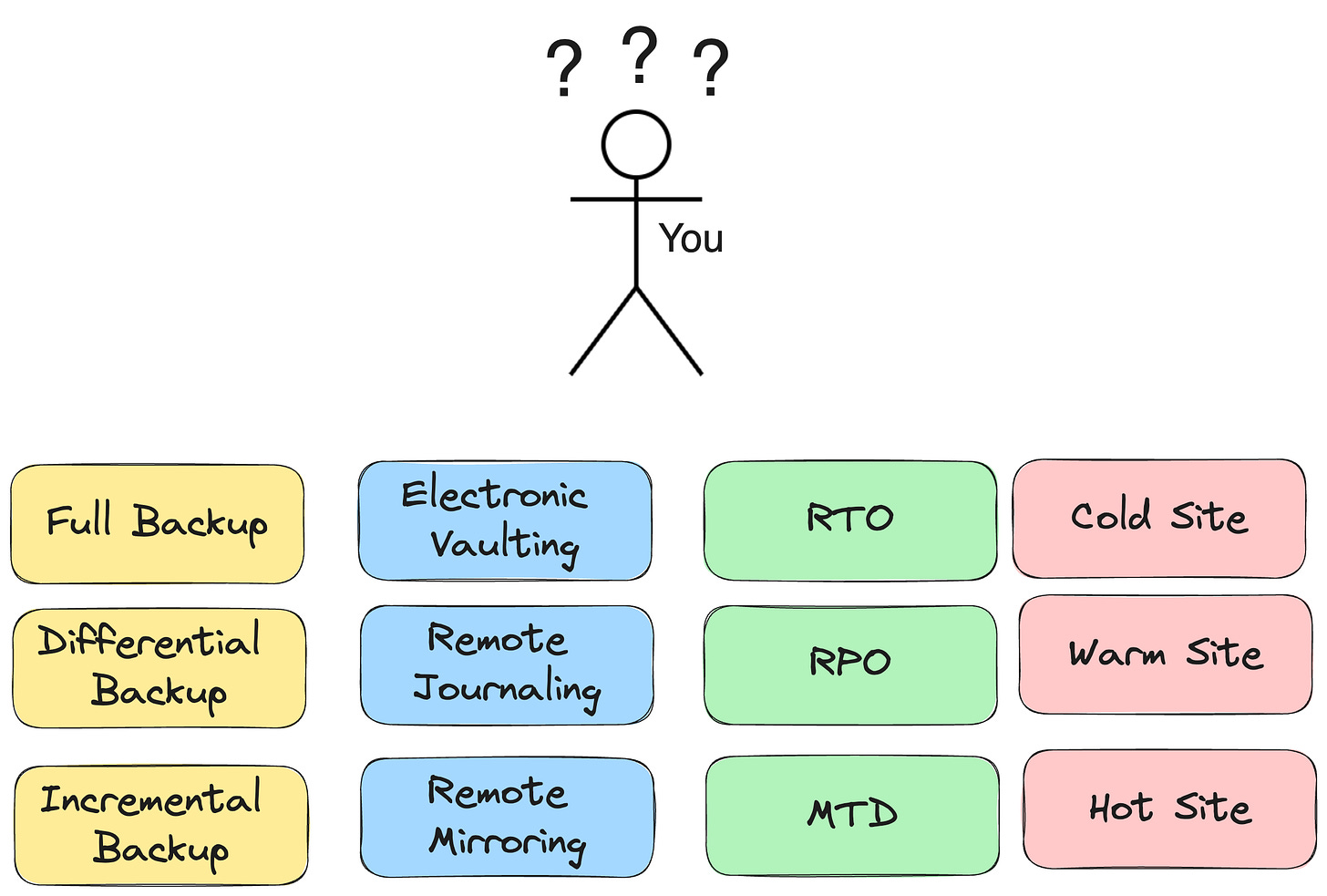
This article explains core backup strategies, including full, incremental, and differential backups, and shows how recovery needs like RPO and RTO shape the right choice. It also covers enterprise options such as electronic vaulting, remote journaling, remote mirroring, and the 3-2-1 rule for resilient recovery planning. #RPO #RTO #3-2-1

The European Commission, EDPB, EDPS, and several national authorities released major new AI, privacy, and cybersecurity measures, including the EU Cybersecurity & AI Action Plan, updated guidance on anonymization, web scraping, and blockchain, and a new checklist for human oversight of automated decision-making. Key developments also include Dutch NIS2 implementation, CNIL guidance on geolocation data, IMY’s warning on EU-U.S. transfers, and the U.S. Supreme Court’s ruling that geofence warrants for Google Location History are Fourth Amendment searches. #AIAct #NIS2 #EDPB #EDPS #CNIL #IMY #Chatrie