
This article explains how SOC analysts can perform malware analysis using AnyRun’s interactive sandbox platform, emphasizing its features and limitations. It demonstrates the process of uploading malware, analyzing behaviors, and interpreting the outputs like scheduled tasks, process activities, and network communications. #AnyRun #AgentTesla
Category: Interesting Stuff
This article highlights how exposing the .git directory on a production server can lead to severe security vulnerabilities, including credential theft and account takeover. Attackers can leverage commit history to recover sensitive information like admin passwords, enabling unauthorized access and user deletion. #GitLeaks #InfoDisclosure
Zero Trust is a cybersecurity model that mandates verification and least privilege access, especially crucial in 2025 due to rising ransomware and insider threats. Major companies like Google, Microsoft, and Cloudflare have adopted this approach to secure remote, cloud, and distributed networks. #ZeroTrust #ZTNA #CloudSecurity #InsiderThreats #RansomwareAttacks
This guide outlines the best penetration testing certifications for aspiring cybersecurity professionals in 2025, emphasizing practical skills and real-world relevance. It compares certifications like CPTS, OSCP, OSEP, and OSWE to help individuals choose the right path for career advancement. #OSCP #CPTS

This article explores the importance of manual threat reconnaissance and proactive hunting strategies using Criminal IP’s Tag and Filter functions to identify malicious infrastructure. These real-world query examples help cybersecurity professionals detect C2 servers, exposed DevOps platforms, SSL VPNs, and compromised systems, improving early attack detection. #Mythic #C2servers #DevOps #SSLVPN #ThreatDetection

Singapore hosts a variety of cybersecurity events throughout the year, covering technical, governance, and industry-specific topics. These events include conferences, summits, hackathons, and forums focusing on AI risks, threat intelligence, and industrial cybersecurity. #CybersecuritySingapore #AIThreats #ThreatIntel #IndustrialSecurity #GovWare

NodeZero Federal™ is a FedRAMP High Authorized platform that enables continuous, autonomous penetration testing to validate security in sensitive federal environments. It transforms security practices from periodic assessments to ongoing assurance, helping agencies reduce risk and demonstrate compliance with federal mandates. #NodeZeroFederal #FedRAMPHigh #ContinuousPenetrationTesting

The article lists various global cybersecurity job openings, detailing roles from Cyber Security Analyst to Senior Penetration Tester across multiple industries and countries. Each position emphasizes responsibilities such as incident response, threat intelligence, security architecture, vulnerability management, and compliance. #CyberSecurityJobs #IncidentResponse #ThreatIntelligence #VulnerabilityManagement

Impacket is a versatile Python toolkit used for Active Directory penetration testing and exploitation, enabling enumeration, attacks, and post-exploitation activities. It is also commonly exploited by malicious actors to identify vulnerabilities, escalate privileges, and extract sensitive data within Windows networks. #Impacket #ActiveDirectory #KerberosAttacks #CredentialDumping

A critical vulnerability has been identified in Future versions of Roundcube Webmail, affecting all versions 1.5.x and 1.6.x prior to 1.5.10 and 1.6.11, enabling remote code execution through deserialization flaws. Attackers with valid credentials can exploit this flaw to execute arbitrary commands, emphasizing the importance of updating to patched versions. #RoundcubeVulnerability #PHPDeserialization

This article provides a comprehensive list of 100 web application exploit ideas for bug bounty hunters, based on real-world bugs. It covers various vulnerabilities including IDOR, SSRF, XSS, authentication flaws, and more. #IDOR #SSRF #XSS #OAuth #CSRF

This guide offers step-by-step instructions to create a vulnerable web server and an attacker machine on AWS, focusing on setting up a simulated SSRF environment. It covers launching EC2 instances, configuring security, deploying vulnerable code, and enabling communication between the attacker and target systems. #SSRF #AWSEC2
This article explains how exposing debug pages can lead to sensitive data disclosures, such as SECRET_KEY leaks. It emphasizes the importance of securing internal files and environment variables to prevent severe security breaches. #phpinfo #SECRET_KEY
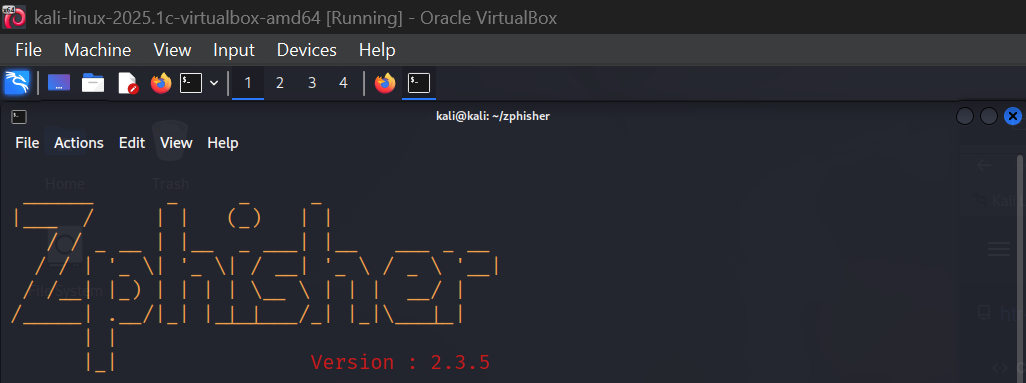
This article explains how social engineering attacks like phishing use tools such as Zphisher to deceive individuals and steal sensitive information. It highlights the methods of conducting such attacks and emphasizes the importance of awareness and preventative measures. #Zphisher #SocialEngineering

Misconfigured certificate templates affected by ESC9 pose a serious threat to Active Directory environments, enabling privilege escalation through weak certificate mappings. Attackers can exploit these vulnerabilities to impersonate privileged users like Domain Admins without credentials. #ESC9 #ActiveDirectoryCertificateServices