
Enterprises are increasing their DDoS defense budgets, but many still experience damaging downtime due to ongoing attacks and gaps in protection. The MazeBolt survey of 300 CISOs and security directors across US and Europe reveals a persistent resilience gap, with automated testing and full visibility being key needs.
Category: Interesting Stuff

Threat-Informed Defense (TID) shifts cybersecurity from reactive responses to proactive defense by leveraging threat intelligence, defensive measures, and continuous testing to close gaps and tailor defenses to each organization. Filigran outlines a six-stage TID pipeline that operationalizes these principles through practical steps, tools, and collaboration across security teams.
Keypoints
Threat-informed defense aligns defenses with MITRE ATT&CK mappings to counter real adversaries.
Three pillars: threat intelligence, defensive measures, and testing/evaluation drive continuous improvements.
Stage 01 identifies the most relevant adversaries, malware, and campaigns for the business.
Stage 04 uses adversary emulation and breach-and-attack simulations to validate controls.
Stage 06 recommends quarterly executive-aligned reviews to sustain CTEM alignment.

This article details a comprehensive Red Team operation on TryHackMe’s Daily Bugle room, involving Joomla web exploitations, SQL injections, and privilege escalation on a Red Hat Linux system. It emphasizes techniques used for reconnaissance, exploiting vulnerabilities, gaining shell access, and capturing flags. #Joomla #SQLInjection

This article details a comprehensive penetration test on a simulated scammer’s website, highlighting techniques such as web enumeration, SMB share discovery, credential decoding, and exploiting vulnerabilities using Metasploit. It demonstrates how attackers can escalate privileges to obtain root access. #SubrionCMS #Metasploit

This article details a comprehensive Windows post-exploitation lab where participants practice credential discovery, privilege escalation, and remote access techniques. It emphasizes the importance of understanding real-world attack paths and common security misconfigurations. #PrintSpoofer #SeImpersonatePrivilege
JWTs are widely used for stateless authentication but can be vulnerable to manipulation and cracking. Attack techniques include brute forcing secrets, algorithm confusion, and claim forgery, emphasizing the importance of proper server-side verification. #JWT #RS256 #HMAC

Password managers are essential tools that enhance online privacy by securely storing, generating, and managing unique passwords with strong encryption. They help prevent hacking, password reuse, and weak credentials, providing both convenience and security for digital identities. #Bitwarden #1Password #KeePassXC

OCR technology transforms scanned and handwritten documents into editable digital text, enabling better data processing and AI integration. It supports a wide range of formats, handles complex layouts, and works with multiple languages, making it crucial for digital workflows. #TesseractOCR #HandwrittenRecognition

This web content provides a comprehensive guide on creating a free cybersecurity home lab to analyze WannaCry ransomware using tools like Elastic SIEM, Sysmon, Autopsy, and Volatility. It covers static and dynamic analysis, threat hunting, and forensic techniques to detect and respond to ransomware threats. #WannaCry #ElasticSIEM

Browser extensions enhance online privacy byBlocking trackers, encrypting data, and removing malicious ads complement native browser features. They are essential tools for achieving greater control over digital footprints and preventing data collection by third parties. #PrivacyBadger #Decentraleyes

A critical vulnerability in Microsoft Entra ID could have allowed attackers to gain complete control over all tenants globally by exploiting a single token flaw. This incident highlights the urgent need for authorityless security architectures that distribute trust and eliminate single points of failure. #MicrosoftCVEs #ActorTokens
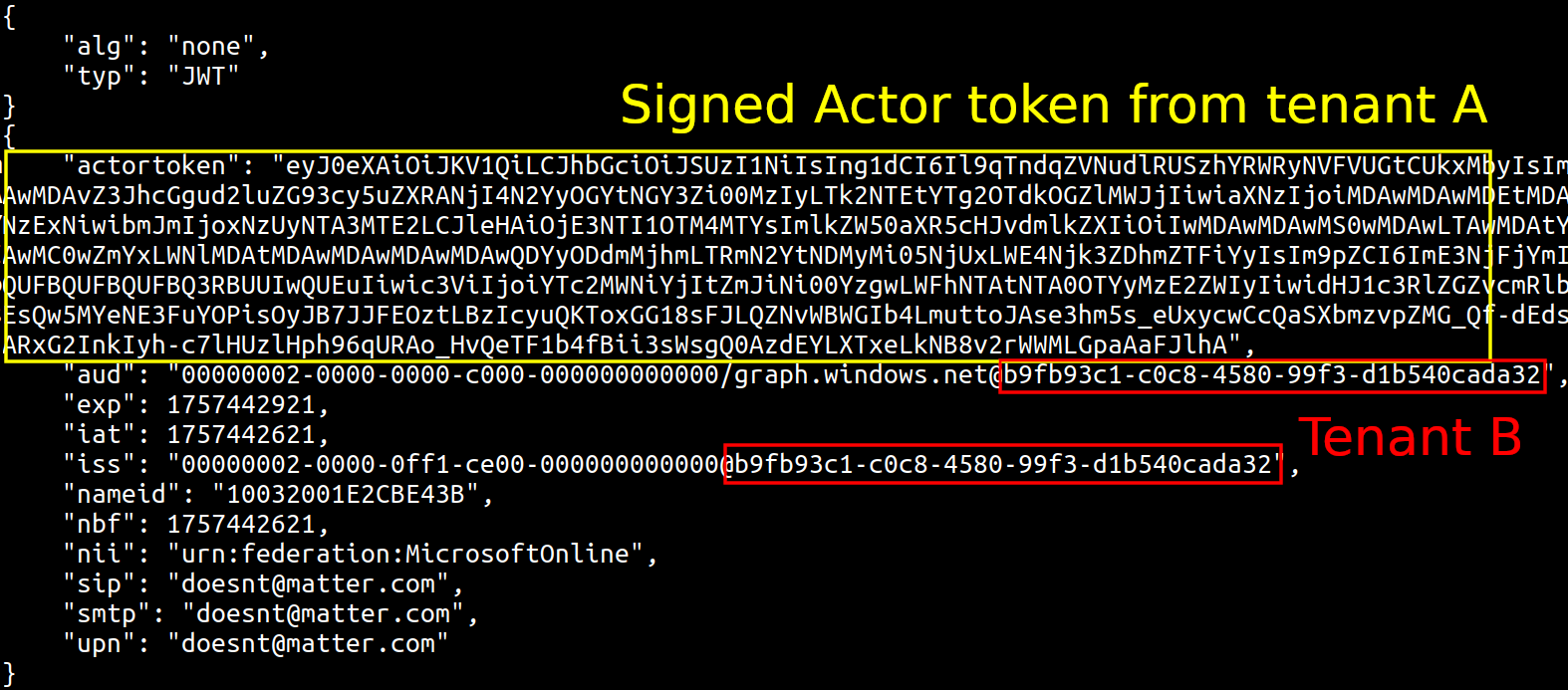
The article reveals a critical Entra ID vulnerability driven by undocumented impersonation tokens called Actor tokens, enabling cross-tenant access and full control of any tenant via the legacy Azure AD Graph API. Microsoft fixed the flaw within days and rolle…

Directory traversal attack is a web application vulnerability allowing attackers to access sensitive OS files by manipulating URL parameters. The blog explains how these attacks work with examples, real-world scenarios, and effective mitigation strategies. #DirectoryTraversal #PathTraversal

Adversaries are increasingly exploiting supply chain attacks by compromising third-party software and libraries to infiltrate enterprise systems. These attacks leverage trusted components, often in scripts or packages, to bypass defenses and gain persistent access. #SupplyChainIntrusions #APT29 #Winnti #LazarusGroup #Barium

This comprehensive Active Directory cheat sheet provides offensive, defensive, and investigative commands for cybersecurity professionals, inspired by real-world labs and CTF challenges. It emphasizes the importance of network reconnaissance, privilege escalation, and detection techniques to maintain or compromise enterprise AD environments. #ActiveDirectory #BloodHound