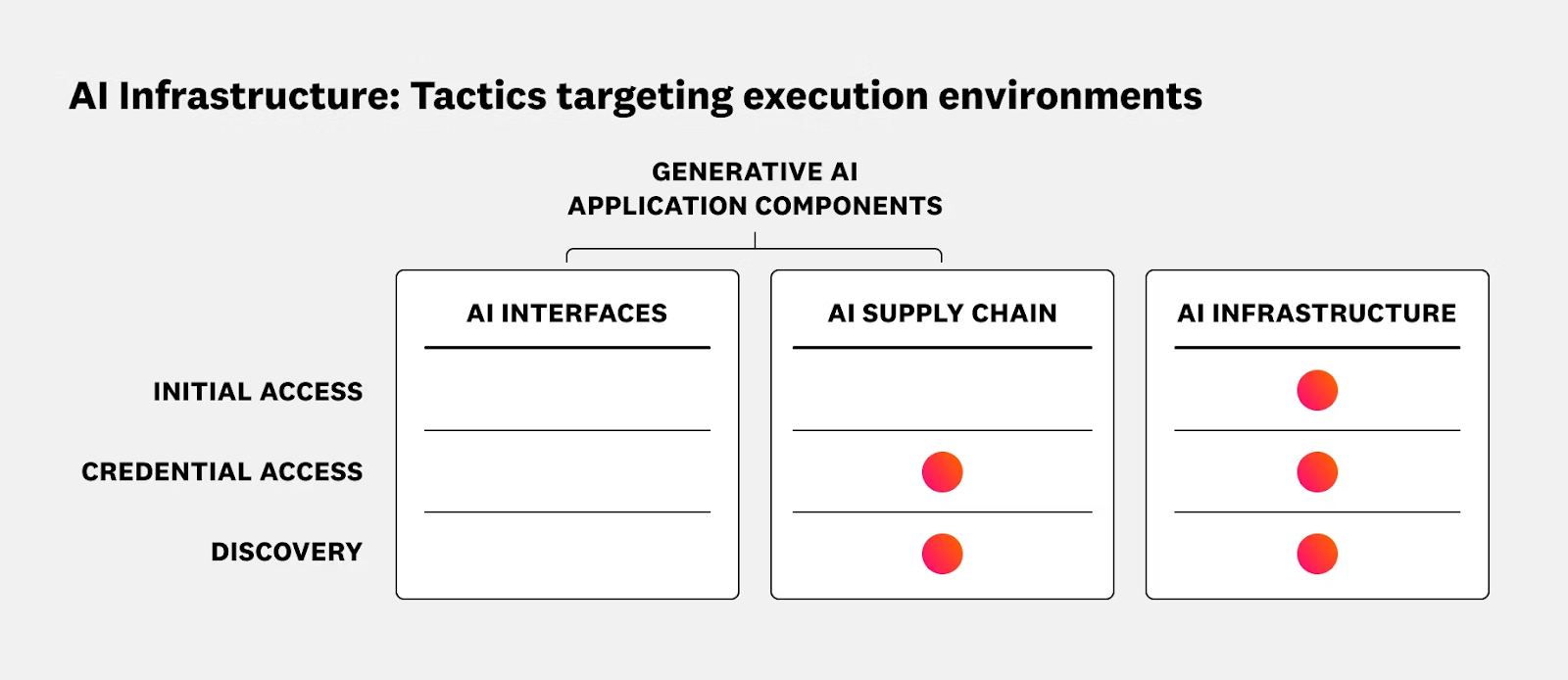
The article outlines security risks and operational best practices for running AI and ML workloads on Kubernetes and Oracle Cloud Infrastructure (OCI), emphasizing the shared responsibility model and the need to secure data planes, GPU nodes, inference services, and supply chains. It reviews recent AI-targeted incidents and promotes runtime protection, CI/CD hygiene, and integrated solutions such as Sysdig Secure with OKE to provide real-time detection and response. #ShadowRay2_0 #OCI
Category: Interesting Stuff

CTM360’s threat intelligence uncovers FraudWear, an industrialized brand-impersonation campaign that operates tens of thousands of disposable fashion e-commerce sites to defraud consumers worldwide. The campaign uses localized storefronts, ad-driven distribution, rapid domain churn, and legitimate payment flows to harvest personal and payment data, demonstrating the need for ecosystem-level, intelligence-driven defenses. #FraudWear #CTM360

Identity security is rapidly evolving from simple username/password models into AI-driven governance, liveness biometrics, decentralized identity, passwordless passkeys, and machine identities that will define access in 2026. Organizations must treat identity as the central control plane for digital trust and adopt technologies like self-sovereign identity and post-quantum cryptography to stay ahead of sophisticated threats. #SailPoint #SelfSovereignIdentity

OT incidents rarely begin with targeted process attacks; they arise from common enterprise weaknesses—shared credentials, permissive remote management, weak IT–OT boundaries, and limited operational visibility—that allow IT compromises to become OT outages. Treating recovery and containment as security controls (locking down management planes, extending detection into OT-adjacent systems, and ensuring tamper‑resistant backups) is the decisive factor in limiting operational impact. #Sygnia #JumpServers

Container-first infrastructure is now standard, with microservices powering production workloads and driving digital innovation, but security frameworks struggle to keep pace, contributing to an 82% container breach rate reported in the latest ActiveState report. Adopting secure, trusted open source from dedicated providers can cut CVEs by 60-99% and reclaim up to 30% of developer time, by starting secure and staying secure over time. #ActiveState #CVE

Enterprise AI adoption is accelerating, expanding security boundaries across Cloud, SaaS, and Endpoint environments and exposing a complex, AI-driven attack surface. Traditional security tools struggle to protect AI assets, making advanced AI security posture management essential for full visibility, risk assessment, data lineage, and zero-trust enforcement across the AI ecosystem. #HuggingFace #ModelContextProtocol

This article explores how misconfigured IAM permissions, specifically UpdateLoginProfile, can lead to privilege escalation in AWS cloud environments. It emphasizes the importance of limiting these permissions and monitoring IAM activities to prevent breaches. #IAMMisconfiguration #PrivilegeEscalation

This article emphasizes the importance of privacy on the internet and provides practical steps to improve digital security through browsers, VPNs, ad blockers, encrypted emails, password managers, private search engines, secure messaging, and encrypted cloud storage. It highlights that privacy is an ongoing process that requires gradual implementation and consistent effort for effective protection. #Librewolf #NordVPN
Barracuda threat analysts identified GhostFrame as a new phishing kit that hides its malicious activity inside an iframe within a harmless-looking HTML page. It supports easy content and location switching, uses random subdomains for each victim, and employs a……

Pentest programs have moved from one-off reports to continuous, integrated testing that feeds vulnerability management, remediation, and organizational risk decisions. Modern delivery emphasizes centralized visibility, standardized findings, real-time collaboration, automated delivery into remediation tools, and automated retesting to close the loop.
#PlexTrac #CTEM #ExposureAssessmentPlatforms #Expedia #Mandiant #Deloitte #KPMG

OSINT has shifted from a niche discipline to a critical component in investigations and corporate processes, yet many programs remain ad-hoc, risking security, evidence integrity, and knowledge retention. Glazer Technologies offers an enterprise-grade, sandboxed OSINT platform that automatically captures, enriches, preserves data with cryptographic timestamping, enabling standardized workflows and secure, faster decision making. #Glazer #Unabomber
December 2025 closed with multiple high-impact disclosures and incidents, including the unauthenticated React2Shell RCE (CVE-2025-55182), the resurfacing of the BRICKSTORM backdoor, widespread MongoBleed data exposure (CVE-2025-14847), and a novel EtherRAT campaign using Ethereum smart contracts for C2. Organizations were urged to patch vulnerable software, audit and segment MongoDB deployments, apply published IOCs and detections from NSA/CISA and Sysdig, and strengthen visibility and resilience heading into 2026. #React2Shell #BRICKSTORM

Generative AI platforms like Amazon Bedrock and SageMaker accelerate agent and model deployment but create new security blind spots around visibility, access control, and unintended data exposure. Darktrace / CLOUD provides continuous configuration visibility, architectural mapping, privilege and misconfiguration analysis, and behavioral anomaly detection to reduce risk and prevent accidental or unauthorized data exposures. #AmazonBedrock #Darktrace

Organizations are increasingly interviewing and hiring people who don’t exist, enabling synthetic identities to gain legitimate credentials and access. The article outlines why traditional defenses fail and proposes five practical mitigations to harden interviews, verify identity earlier, treat resumes as claims, integrate security into recruiting, and continuously monitor new hires. #Deepfake #NorthKorean

Large enterprises run an average of 45 cybersecurity tools, underscoring widespread tool sprawl. While mid-market teams face similar complexity with smaller budgets, they increasingly seek lean, purpose-built platforms that reduce risk and simplify operations. #PaloAltoNetworks #CyberArk #Gartner #IBMInstituteForBusinessValue #Crunchbase #ITHarvest