
This guide demonstrates how an attacker can use a stolen administrator.pfx certificate or a derived administrator.ccache Kerberos ticket to authenticate via PKINIT and obtain remote command execution or interactive shells in an Active Directory domain. Techniques use NetExec for direct PFX authentication and Impacket/Evil-WinRM for CCACHE-based authentication across SMB, WMI, WinRM, and MSSQL, and the article includes detection opportunities and defensive recommendations. #PassTheCertificate #administrator_pfx
Category: Interesting Stuff
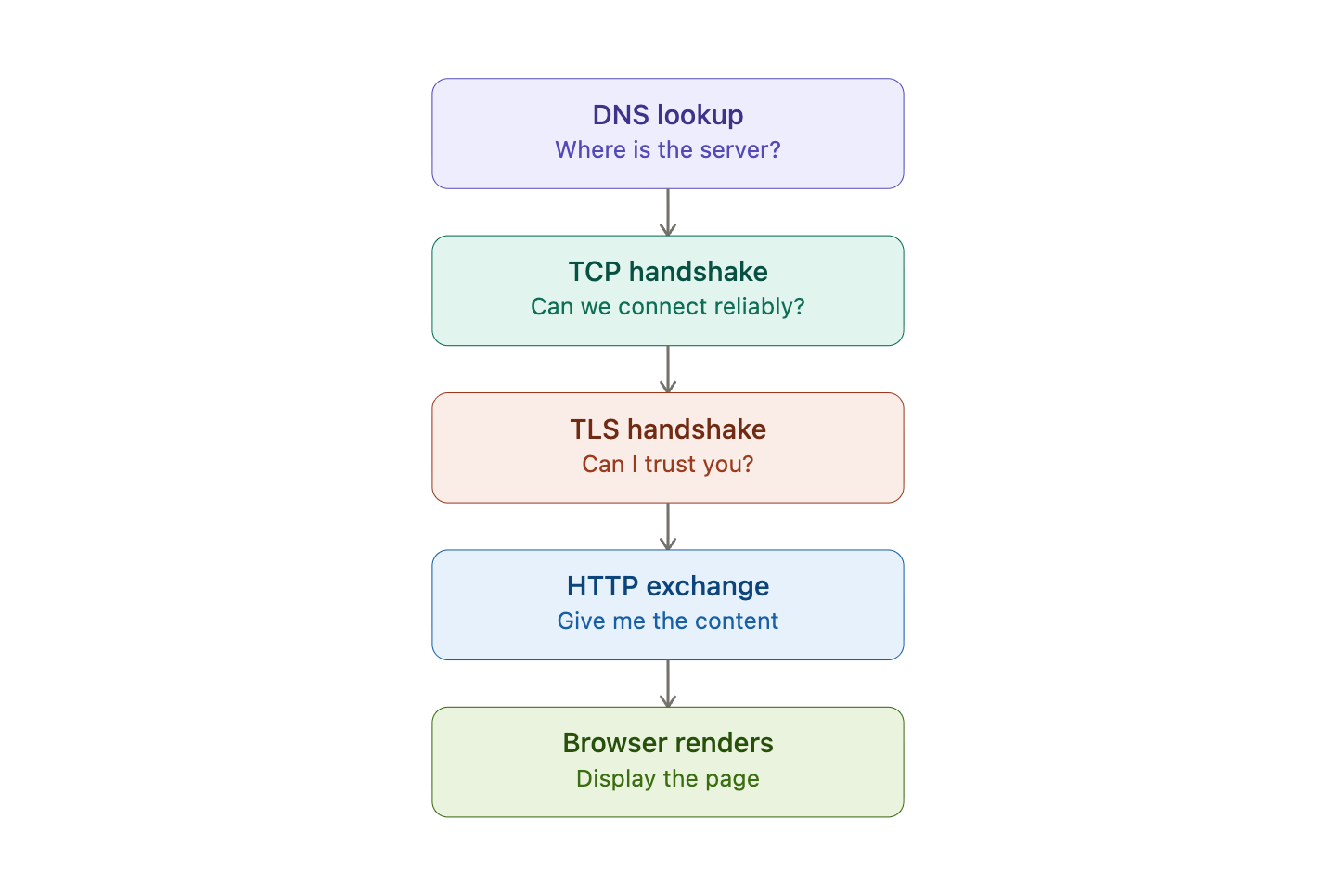
This article explains, step by step, what happens from URL parsing to browser rendering when you open a website, outlining the dependency chain DNS → TCP → TLS → HTTP → Rendering. It also breaks down the TCP three-way handshake, the TLS certificate and key-exchange process, and offers a Docker-based lab to practice DNS resolution, HTTP requests, and TLS negotiation. #DNS #TLS

Global regulators and courts have intensified scrutiny on data processing, publishing detailed guidance on legitimate interest, data reuse, sector-specific protections, and AI content provenance. Notable outcomes include the EDPB’s legitimate interest case digest, the ICO’s reuse and RLI guidance, CNIL’s limits on audio in video surveillance, the Dutch AP’s cloud rules for health data, Washington’s AI provenance law, Utah’s genetic sequencing restrictions, and the KGM verdict against Meta and YouTube. #EDPB #KGM
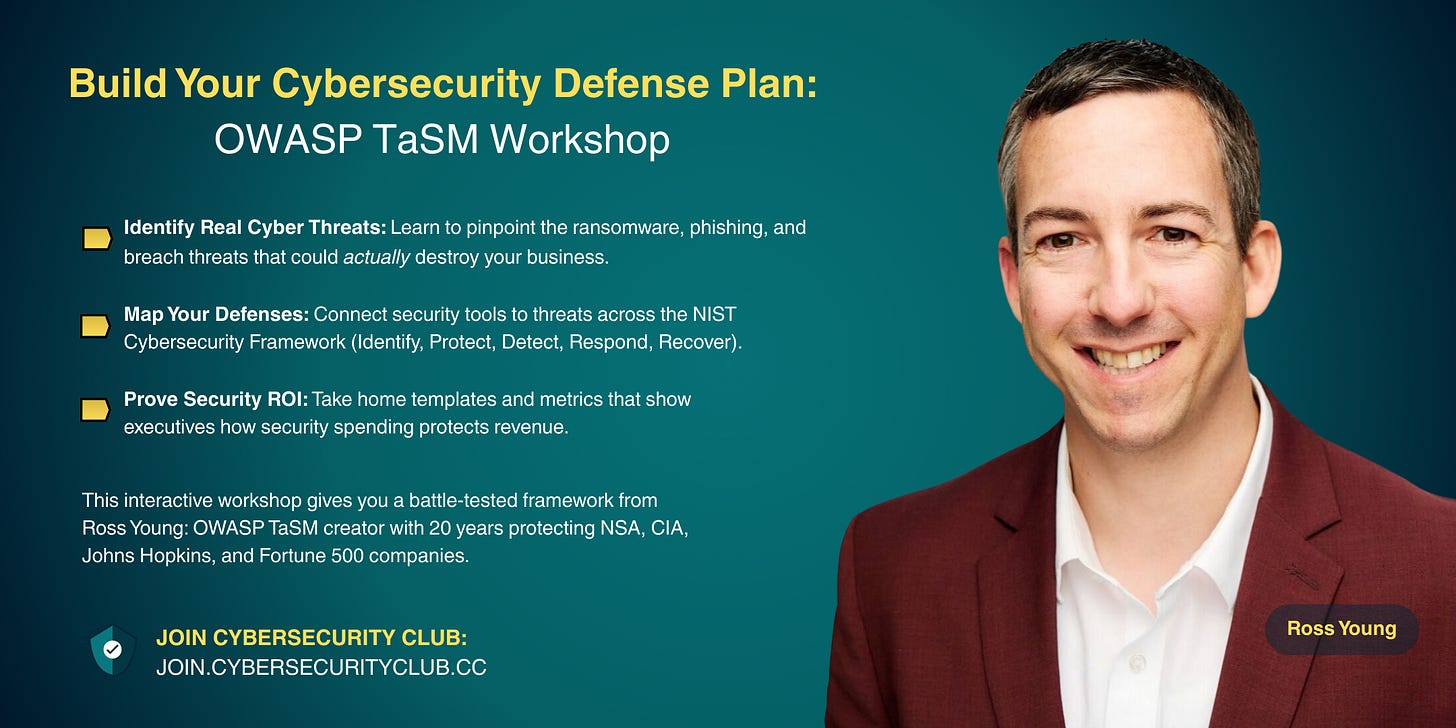
Ross Young, a former CIA and NSA officer and ex-CISO at Caterpillar Financial and Capital One, will teach his TaSM threat-centric framework in a live virtual workshop on March 31, 2026. The session provides hands-on exercises, templates, and a budget-justification approach to prioritize material threats and align security with business outcomes. #TaSM #CapitalOne

This post reviews common LSASS credential-dumping techniques—both remote and local—detailing tools and workflows attackers use to extract NT hashes, Kerberos tickets, cleartext passwords, and DPAPI keys from memory. It also covers parsing dumps with pypykatz, network-level detection for DRSUAPI/DCSync and anomalous SMB activity, and mitigations such as Credential Guard and LSASS Protected Process Light. #lsassy #nanodump #impacket #pypykatz #CredentialGuard

Discretionary Access Control List (DACL) misconfigurations in Active Directory can allow low-privilege users to escalate to Domain Admin and harvest all domain credentials using techniques like ForceChangePassword, FullControl/WriteMembers abuse, and DCSync. The article demonstrates a full ignite.local lab with exact impacket and bloodyAD commands, verification steps, and DACL restoration guidance, and recommends auditing and monitoring (Event IDs and DCSync indicators) to defend against these attacks. #ignite_local #DCSync
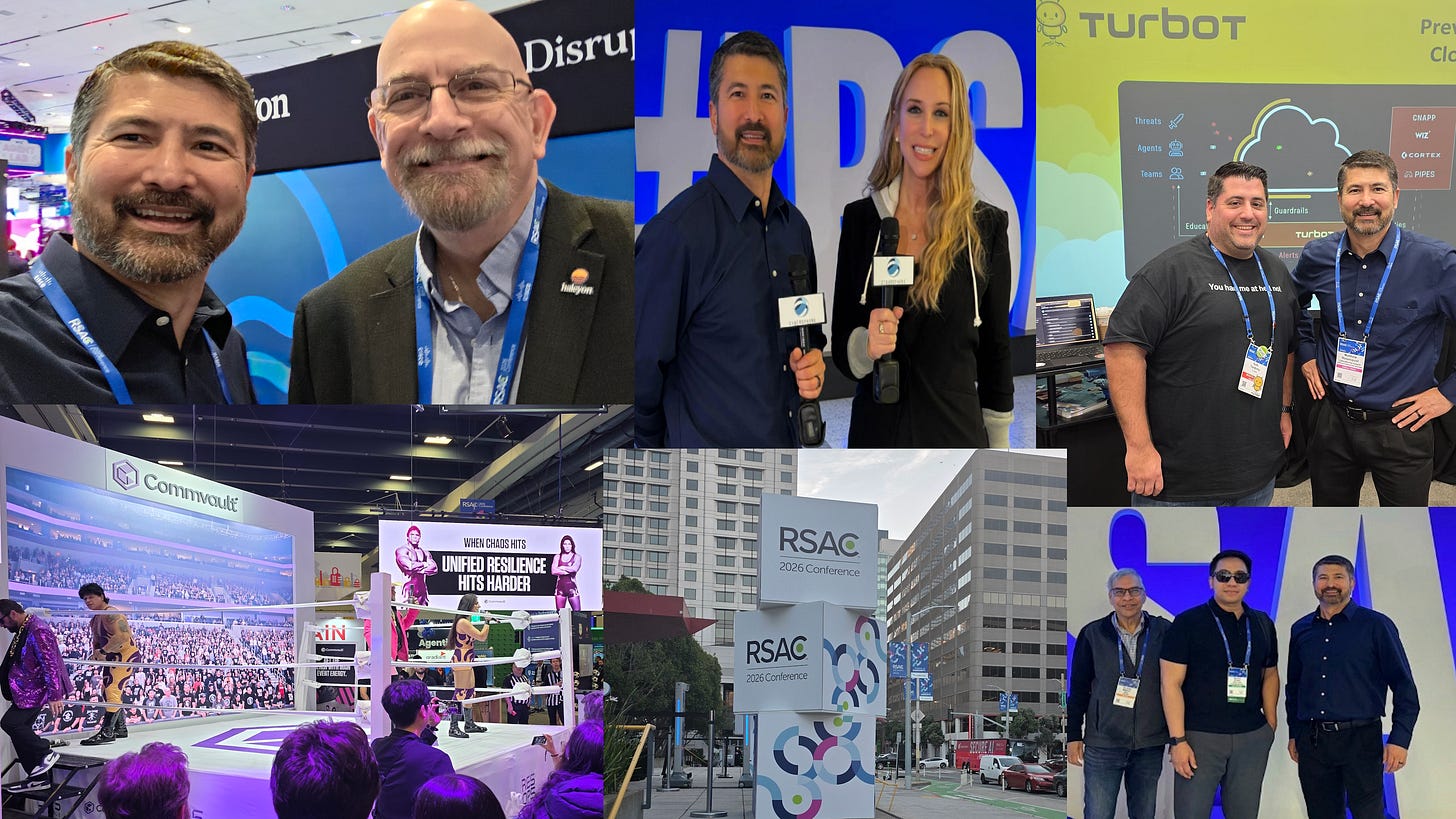
RSAC returned to San Francisco as a major industry event, combining top keynotes, expert sessions, and a sprawling, showy expo showcasing new cybersecurity tools. Beyond the tech and spectacle, attendees emphasized that community, networking, and in-person collaboration are the conference’s enduring strengths. #RSAC #SanFrancisco

This walkthrough demonstrates a complete Active Directory attack chain against the ignite.local lab using BloodyAD and Impacket, covering enumeration, privilege escalation, Kerberos attacks, credential dumping, RBCD, and persistence techniques. It highlights common misconfigurations—cleartext LDAP attributes, permissive ACLs, default machine account quotas, and disabled Kerberos pre-authentication—and provides detection and defensive recommendations. #BloodyAD #DCSync

impacket-changepasswd consolidates multiple Active Directory password change and reset techniques — including ForceChangePassword, pass-the-hash, NT hash injection, AES key usage, and Kerberos TGT-based resets — across SMB-SAMR, RPC-SAMR, LDAP, and kpasswd protocols. The article details lab setup, protocol-specific behavior, detection via Windows Event IDs, and defensive recommendations such as auditing AD ACLs and monitoring SAMR activity. #impacket-changepasswd #ActiveDirectory #ForceChangePassword #Kerberos

Adversaries can embed executable instructions into images and audio so multimodal models read hidden directives from pixels and waveforms, bypassing text-only sanitization and leaving no visible logs. These techniques—typographic (FigStep), steganographic, semantic, and audio methods like WhisperInject—transfer across models, achieve high success rates in tests, and can be executed in the physical world. #FigStep #WhisperInject
![[1/3] How to Pass Security+ in 4 Weeks – Introduction](https://substackcdn.com/image/fetch/$s_!u46L!,w_1456,c_limit,f_auto,q_auto:good,fl_progressive:steep/https%3A%2F%2Fsubstack-post-media.s3.amazonaws.com%2Fpublic%2Fimages%2Fae433e5d-bc4d-4fa7-b54e-3ff469c92d3d_1080x1350.png "[1/3] How to Pass Security+ in 4 Weeks – Introduction")
This article lays out a focused 4-week plan to pass the CompTIA Security+ (SY0-701) exam without expensive courses by explaining what matters and how the exam tests you. It breaks down domain weightings, exam format, and study priorities while offering follow-up resources and a free guide to sharpen your exam strategy. #SecurityPlus #SY0-701

This article provides a technical walkthrough of Pass-the-Hash (PtH) attacks against Windows Active Directory, demonstrating exploitation across SMB, WinRM, WMI, MSSQL, RDP, and LDAP using tools like nxc, Impacket, Metasploit, Evil-WinRM, pth-winexe, Mimikatz, and Rubeus. It includes a lab setup (ignite.local with a Windows Server 2019 DC), detailed command examples for lateral movement and credential dumping, and mitigation strategies such as Credential Guard, NTLM restrictions, and tiered administration. #Mimikatz #ignite.local
Model denial of service—also known as Denial of Wallet—lets attackers keep AI services online while rapidly draining cloud budgets by forcing excessive token consumption. Real-world LLMjacking incidents on services like AWS Bedrock and Google Gemini show six-figure bills in days, so teams must deploy cost-aware rate limiting, hard spending caps, billing anomaly alerts, and stronger credential protection. #LLMjacking #AWSBedrock

Telegram ramped up moderation dramatically in 2025, removing over 43 million channels and groups, but enforcement produced containment rather than eradication as criminal ecosystems adapted. Continuous monitoring, dynamic detection, and rapid remediation remain essential for security teams to track resilient threat actor activity. #Telegram #CheckPointSoftware

Higher education institutions face elevated identity risk because hybrid on‑premises Active Directory and cloud Entra ID environments, high user turnover, and decentralized IT create sprawling, inconsistent identity lifecycles. Centralized, automated identity governance that enforces least privilege and auditable lifecycle management can reduce orphaned accounts, close attack paths, and help meet compliance requirements such as FERPA. #ActiveDirectory #EntraID