
Session cookie theft lets attackers bypass MFA by stealing and replaying browser session tokens, allowing unauthenticated access without triggering a login or MFA prompt. Effective defenses include shortening and rotating session lifetimes, device binding, continuous context evaluation, step-up authentication, and strong endpoint controls. #infostealers #OneLogin
Category: Interesting Stuff

Email remains the primary attack vector as AI-enabled business email compromise and executive impersonation evade signature-based filters. Leading teams are augmenting Microsoft Defender and Microsoft 365 with inbox-integrated, adaptive AI that detects behavioral anomalies and automates response rather than replacing existing defenses. #Microsoft365 #IRONSCALES
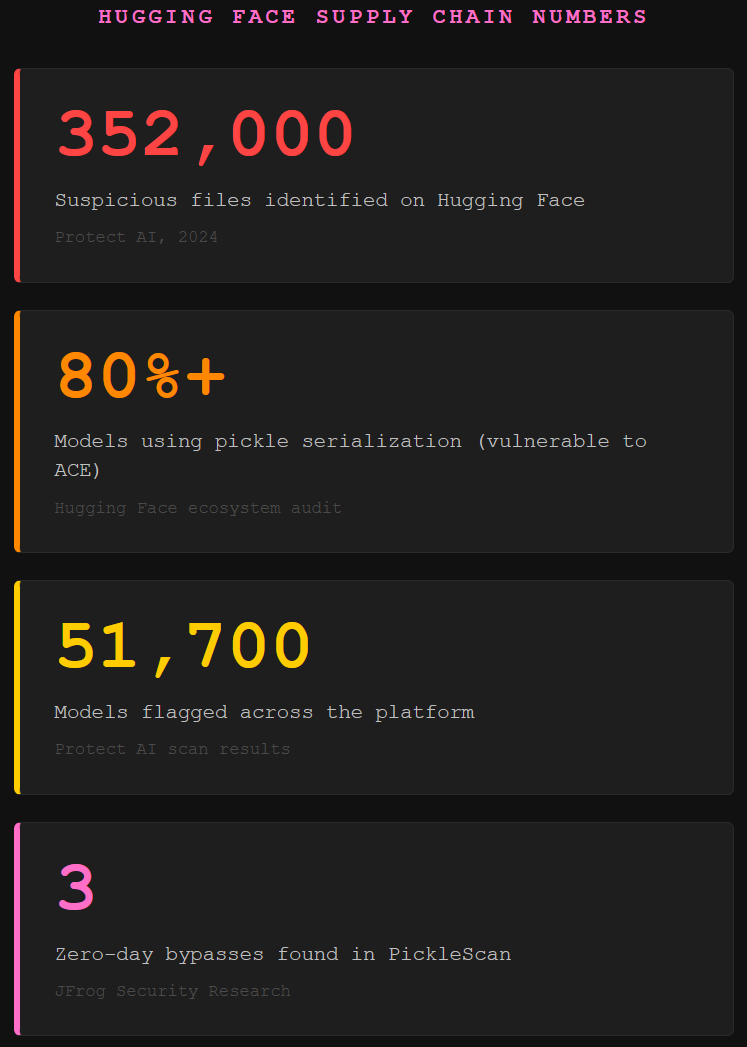
Local models preserve data privacy but introduce supply-chain security risks because downloaded model files (often pickled) can execute arbitrary code and fine-tuned weights can hide sleeper agents that trigger on specific prompts. Mitigations are simple and effective: download from verified providers on Hugging Face, prefer SafeTensors format, and verify model hashes to eliminate the vast majority of threats. #Pickle #SafeTensors #HuggingFace #DeepSeekR1 #PyTorch

The briefing summarizes 2025–2026 developments in data protection, AI governance, cloud security, state privacy laws, and major industry security initiatives. It highlights the EDPB’s simplification and interplay work, CNIL’s HR retention framework and 2026 priorities, the UK’s agentic AI foresight, U.S. state privacy changes in Alabama and Kentucky, the FTC’s strategic plan, and Anthropic’s Project Glasswing. #EDPB #ProjectGlasswing

This guide demonstrates multiple port forwarding and pivoting techniques used by penetration testers to reach a localhost‑bound Apache2 service (127.0.0.1:8080) on a compromised host. It explains SSH local forwarding, Ligolo‑ng/Ligolo‑MP, Chisel, Metasploit Meterpreter portfwd, and socat, and outlines mitigations to detect and prevent these post‑exploitation methods. #Apache2 #LigoloNg #Chisel #Metasploit #socat #LigoloMP

This guide demonstrates how Ligolo‑MP enables collaborative, large‑scale network pivoting by managing agents, TUN devices, proxies, routes, and redirectors to reach isolated internal subnets. Through step‑by‑step lab exercises—single and double pivots, loopback routing to access localhost‑bound services, and agent obfuscation—the article shows how attackers can traverse segmented networks and reach a Domain Controller. #LigoloMP #DomainController
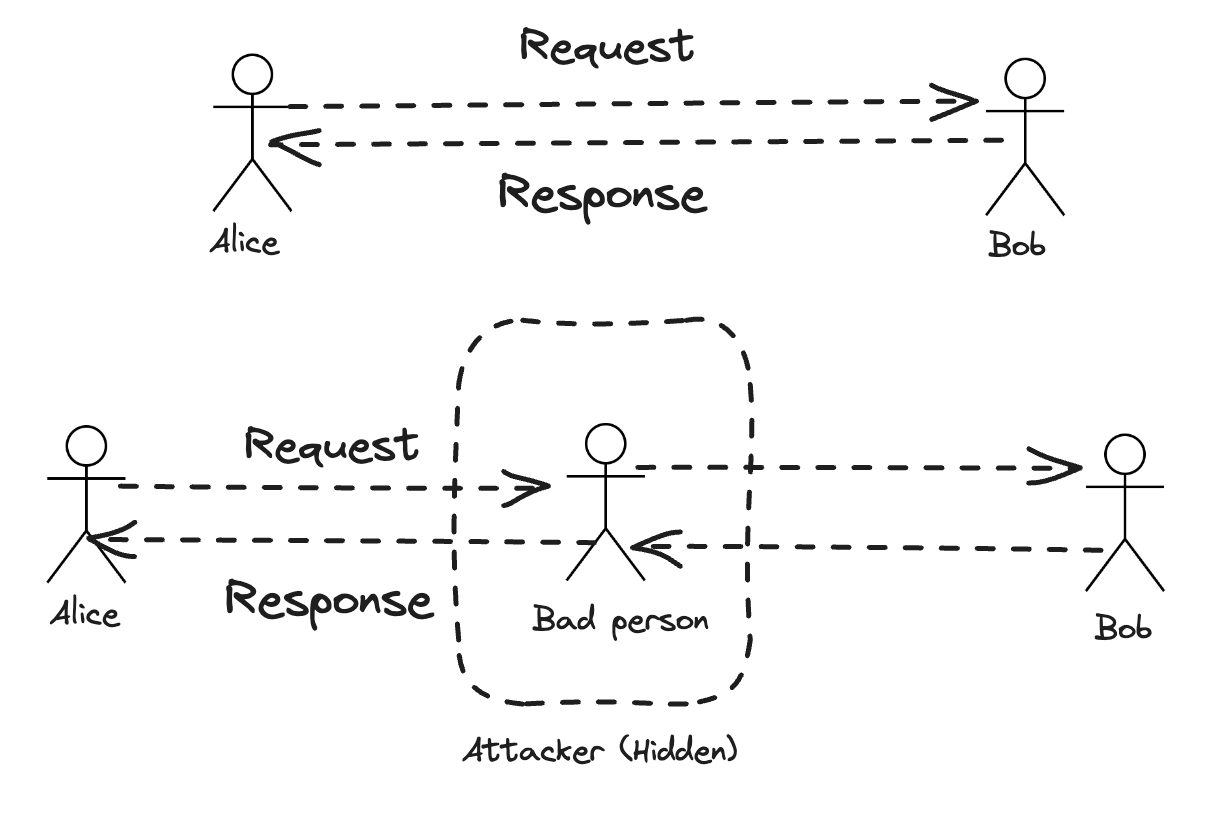
This article explains what a Man-in-the-Middle (MitM) attack is, how it operates, and why it threatens the CIA triad—especially confidentiality. It also provides a Docker-based hands-on lab to simulate a MitM proxy and emphasizes relevance for CC, Security+, and CISSP exam preparation. #MitM #CISSP

This article demonstrates how net rpc (Samba) can be used to perform reconnaissance, privilege escalation, and persistence against the ignite.local Active Directory domain controller at 192.168.1.11. It walks through user/group enumeration and manipulation, privilege grants (e.g., SeBackupPrivilege), remote registry changes to enable RDP, and recommended mitigations for defenders. #net_rpc #ignite_local

Anthropic’s Claude Mythos is rapidly discovering and weaponizing vulnerabilities—reportedly identifying over 2,000 high-severity flaws across major operating systems and web browsers—undermining traditional vulnerability management models. Its controlled rollout under Project Glasswing enables exploit development in minutes rather than months, forcing organizations to adopt AI-driven development and patching processes or risk rapid compromise. #ClaudeMythos #ProjectGlasswing

AI took center stage at RSAC 2026, redefining detection, response, and identity as agentic AI and non-human identities become pervasive attack surfaces. The threat timeline has compressed to seconds, forcing autonomous defenses, new governance for agents, and a funding surge for expert teams— #AgenticAI #MandiantMTrends2026

Three major AI compliance deadlines converge in 2026 — the EU AI Act reaches full enforcement on August 2, Colorado’s AI Act takes effect June 30, and California’s procurement executive order imposes strict vendor certification requirements. Most enterprises have policies but lack complete AI inventories, audit trails, and clear accountability, exposing them to fines and procurement exclusions under frameworks like the EU AI Act and NIST AI RMF. #EUAIAct #NISTAI_RMF

AI-driven attacks are often overhyped because LLMs are optimized for probable outputs and suffer hallucinations and nondeterminism, making fully autonomous, reliable malware impractical today. Yet AI can industrialize mediocre attacks and scale commodity exploitation against standardized environments, raising the baseline risk for many organizations. #TransparentTribe #EggStreme

An authenticated enumeration using pywerview against ignite.local with low-privileged credentials (‘raj’) exposed extensive Active Directory information including users, computers, groups, delegation settings, and SPN-registered accounts. Critical misconfigurations include a Domain Admin account (‘aaru’), a Kerberoastable SPN account (‘kavish’) with constrained delegation to WIN-SQL, unconstrained delegation on multiple hosts, and a Backup Operators member (‘shivam’) who could be leveraged for credential extraction. #ignite.local #pywerview
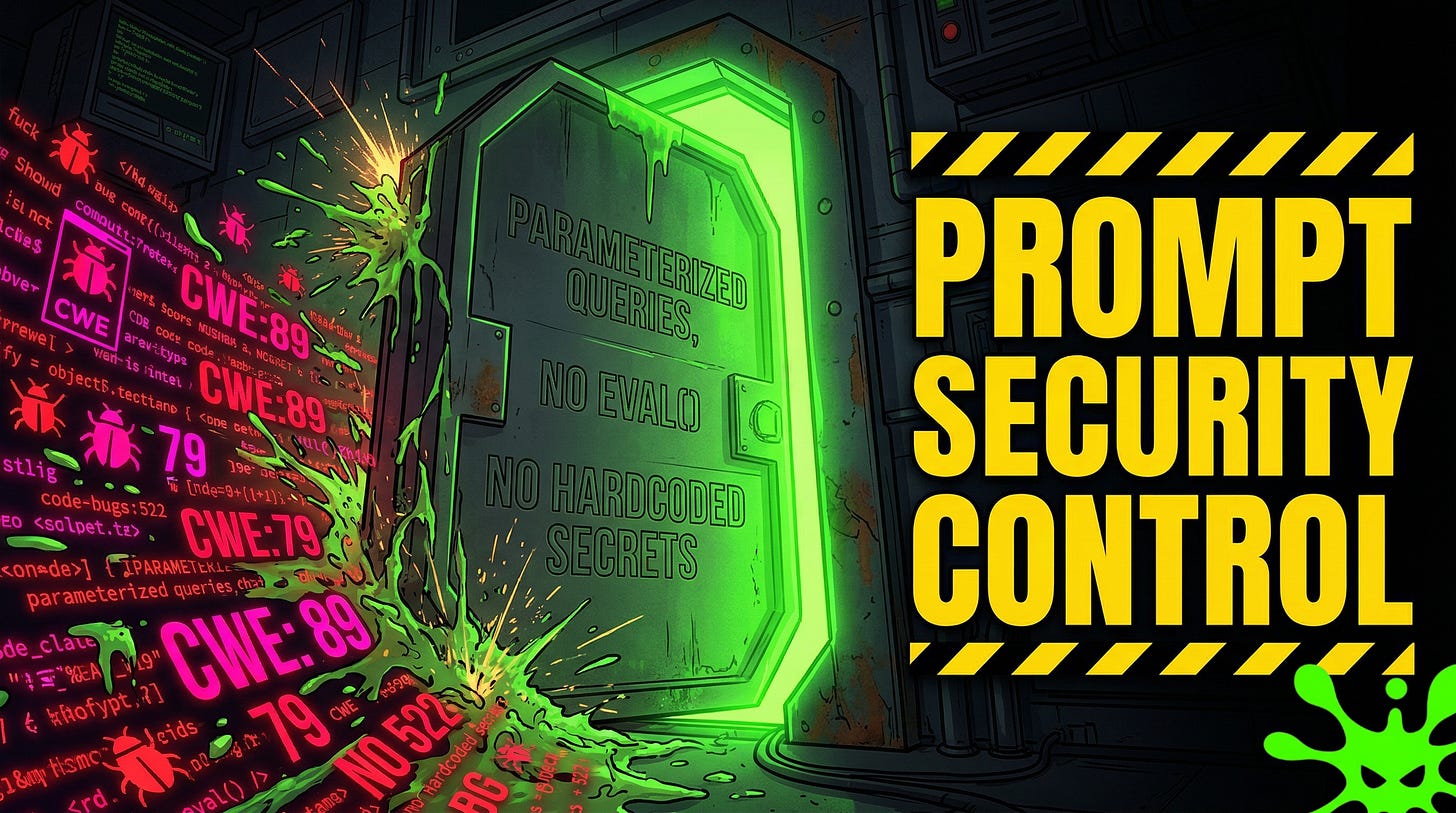
AI coding tools trained on public codebases tend to default to insecure patterns, and persistent security rules files can enforce safer outputs. Attackers can poison those rules files with invisible Unicode to instruct models to inject backdoors and exfiltrate data, as demonstrated by Pillar Security against Cursor and GitHub Copilot. #RulesFileBackdoor #PillarSecurity
![[3/3] The 4-Week Security+ Strategy: What to Do Every Single Day](https://substackcdn.com/image/fetch/$s_!kGbq!,w_140,h_140,c_fill,f_auto,q_auto:good,fl_progressive:steep,g_auto/https%3A%2F%2Fsubstack-post-media.s3.amazonaws.com%2Fpublic%2Fimages%2F7d28a3af-e2a1-407a-9594-496f056ae4fe_1536x1024.png "[3/3] The 4-Week Security+ Strategy: What to Do Every Single Day")
This article presents a practical four-week system to pass the CompTIA Security+ exam, breaking preparation into three phases that move from understanding concepts to focused exam practice. It stresses listing domain topics, using practice tests early, tracking progress, and aiming for consistent 80%+ scores before scheduling the exam. #SecurityPlus #CompTIA