
A critical CVE-2026-3055 vulnerability in Citrix NetScaler ADC and NetScaler Gateway appliances is being actively exploited to extract sensitive authentication and administrative session IDs. Researchers from watchTowr confirmed in-the-wild exploitation starting March 27 and released detection scripts while Citrix’s bulletin did not acknowledge active exploitation. #CVE-2026-3055 #CitrixNetScaler
Category: Cyber Security News

RoadK1ll is a newly identified Node.js implant that establishes an outbound WebSocket-based reverse tunnel to convert a compromised host into a relay for lateral movement. Discovered by MDR provider Blackpoint, it forwards TCP traffic on demand using simple commands, supports multiple concurrent connections and reconnection, and lacks traditional persistence. #RoadK1ll #Blackpoint

Many SOC delays stem less from the threat itself and more from fragmented workflows, manual triage steps, and limited early visibility that slow Tier 1. Three process fixes—unified cross-platform investigation, behavior-first triage with automated interactivity, and standardized escalation with response-ready evidence—can speed Tier 1, reduce unnecessary escalations, and improve SOC performance….

Researchers found a new campaign that uses the ClickFix social engineering lure to run an undocumented loader called DeepLoad, which leverages AI-assisted obfuscation, in-memory APC injection, and immediate credential theft to evade static detection. DeepLoad hides inside legitimate Windows processes (e.g., LockAppHost.exe), compiles randomized temporary DLLs via Add-Type, uses WMI for…

Italian regulators fined Intesa Sanpaolo €31.8 million after an investigation found an employee improperly accessed banking information for 3,573 customers between February 2022 and April 2024 and internal controls failed to detect the unauthorized queries. The Italian Data Protection Authority also faulted the bank for delayed and incomplete breach notifications and…

A Russian military court sentenced 26 members of the Flint24 carding group, including alleged leader Alexei Stroganov, to prison terms of up to 15 years and fined them up to $57,000 for organizing and trafficking stolen payment card data. Investigators say the network operated from 2014 to March 2020, selling “dumps”…

The European Commission said it contained a cyberattack affecting parts of its public Europa.eu web portal and reported no evidence that its internal systems were compromised. The hacking group ShinyHunters claimed to have stolen more than 350 gigabytes of data, and the Commission is working with experts and authorities to assess…

Israeli startup Huskeys emerged from stealth with $8 million in seed funding to launch an edge security management (ESM) platform that tackles complexities modern environments pose for traditional WAFs. The Tel Aviv company, founded in 2025 by former intelligence veterans Itai Gafni and Roy Weisfeld, provides an agentic control plane that…

Organizations are increasingly using LLMs to generate policy-as-code (in languages like Rego and Cedar) to speed development, but AI-generated policies can be syntactically correct yet semantically flawed and grant unintended access. Research by Vatsal Gupta highlights recurring failure modes—missing contextual restraints, absent deny logic, hallucinated attributes, dropped temporal conditions, and action…

CareCloud disclosed a March 16 cybersecurity incident that temporarily disrupted one of its six electronic health record environments and may have resulted in patient information compromise. The company says affected systems have been restored, believes the threat actor no longer has access, and is investigating whether any patient data was accessed…

F5 Networks has reclassified a BIG-IP APM vulnerability from DoS to critical remote code execution (CVE-2025-53521) after discovering attackers are exploiting it to deploy webshells on unpatched devices. F5 and CISA have issued advisories with IOCs and urgent patching guidance while Shadowserver reports over 240,000 BIG-IP instances exposed online. #BIGIPAPM #CVE-2025-53521
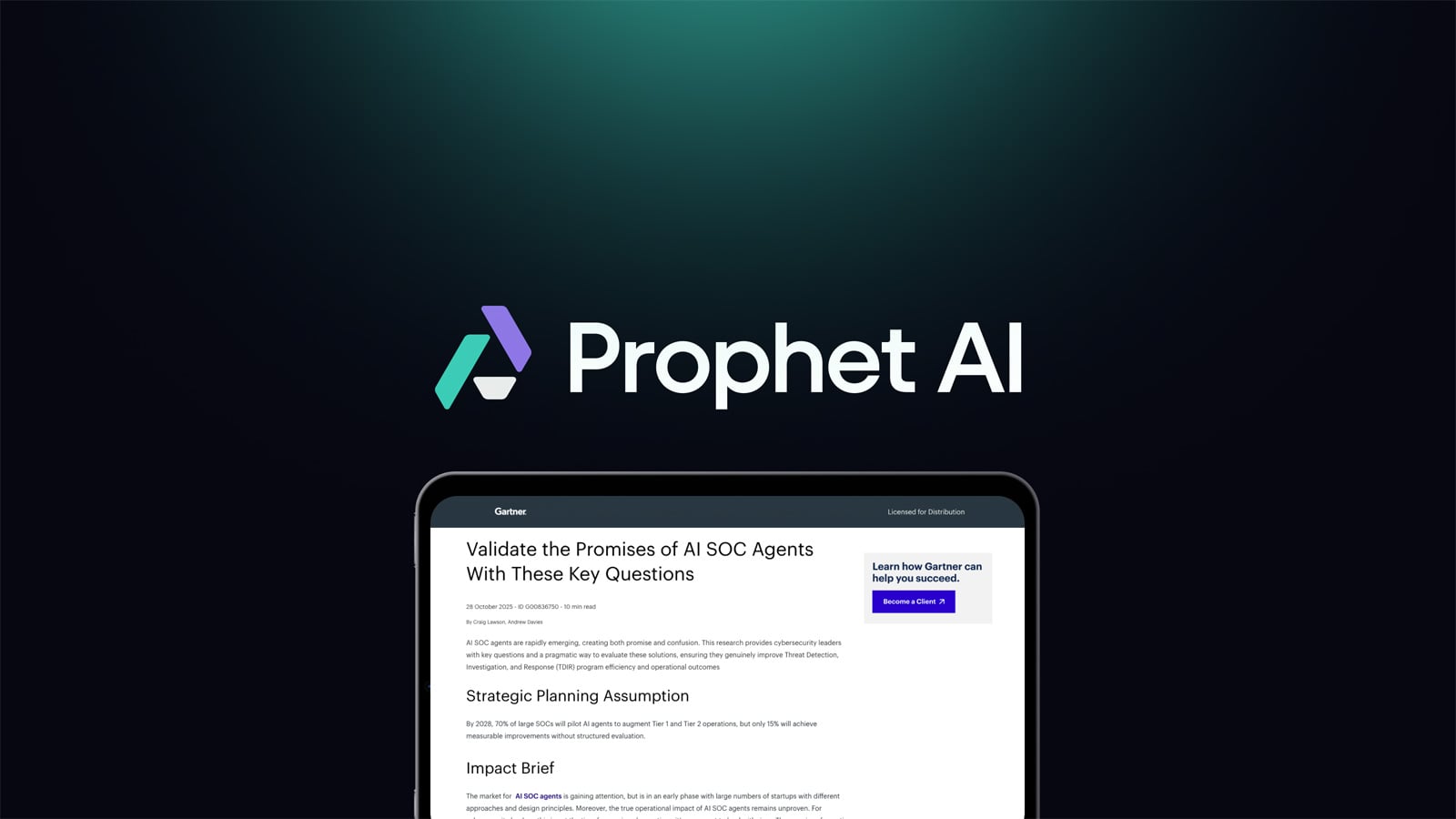
Gartner’s report warns that AI SOC agents can reduce alert backlogs and speed investigations, but most organizations will not realize measurable improvements without a structured, outcomes-driven evaluation. The framework outlines seven evaluation categories—outcomes measurement, vendor viability, analyst augmentation, autonomy boundaries, integration, and transparency—and highlights Prophet Security as an example aligned with these principles. #Gartner #ProphetSecurity

Apple’s macOS Tahoe 26.4 introduces a Terminal protection that delays execution of pasted commands and displays a warning to help block ClickFix social‑engineering attacks. The prompt halts execution, reassures users no damage occurred, and advises caution while still allowing users to proceed if they understand the command. #macOSTahoe #ClickFix

The European Commission confirmed it was targeted in a cyberattack that affected cloud infrastructure hosting its Europa.eu web presence and may have led to the theft of hundreds of gigabytes of data. Hackers claiming to be the ShinyHunters group said they stole mail server dumps, databases and confidential contracts after leveraging…

Russian state-sponsored hacking group Star Blizzard has adopted the DarkSword iOS exploit kit in an ongoing campaign, using GhostBlade malware to target Apple devices and iCloud accounts. Proofpoint observed a March 26 spike in link-based emails using Atlantic Council lures, and evidence from VirusTotal and URLScan links DarkSword components and a…