
Microsoft has extended Windows Server 2022 hotpatching support through October 2027 for Windows Server 2022 Datacenter: Azure Edition systems enrolled in hotpatch updates. This allows monthly security updates without restarts while regular Windows Update, .NET, and other non-Hotpatch updates may still require rebooting, and Microsoft plans broader hotpatch enablement through Microsoft Graph API and Microsoft Intune in May 2026. #WindowsServer2022 #AzureEdition #MicrosoftIntune #MicrosoftGraphAPI
Category: Cyber Security News

WhatsApp is rolling out username reservations so users can hide their phone numbers from people outside their contacts and add an optional key for extra message protection. Meta says the feature will launch gradually, with reserved usernames available ahead of time and certain names kept for governments, public figures, and businesses. #WhatsApp #Meta #Signal

The Supreme Court ruled in Chatrie v. The United States that collecting phone location data from a geographic area qualifies as a Fourth Amendment search, a decision with major implications for digital privacy. The ruling builds on Carpenter and signals that new technologies do not weaken constitutional protections for location information held by third-party companies like Google. #Chatrie #Google #Carpenter

The Supreme Court, in a 5-4 ruling, upheld state laws allowing mail-in ballots postmarked by Election Day to be counted if they arrive within five days. The decision preserves long-standing state authority over ballot receipt deadlines and rejects arguments that federal law requires ballots to be received by Election Day. #SupremeCourt #Mississippi #RepublicanNationalCommittee

Straiker announced a $64 million Series A round, bringing its total funding to $85 million, to expand its platform for discovering and securing AI agents. The company’s technology combines AI discovery, adversarial testing, and runtime protection to help Fortune 500 enterprises defend internal and third-party AI systems. #Straiker #SreenathKurupati #MarathonManagementPartners #CitiVentures…

Mozilla’s 0Din researchers warn that attackers can hide indirect prompts in seemingly normal repositories to trick Claude Code into spawning a reverse shell on a developer’s machine. The payload is delivered through a DNS TXT record and can expose credentials, API keys, and other secrets while evading obvious detection. #ClaudeCode #Mozilla…

WhatsApp is opening global reservations for usernames, a privacy feature that will let users chat without revealing their phone numbers. The rollout will support safer interactions with strangers, businesses, and groups, while adding an optional username key for extra message protection. #WhatsApp #Signal #Instagram #Facebook…

Business email compromise attacks continue to succeed by using convincing impersonation of trusted contacts, making them difficult for traditional email defenses to detect. A BleepingComputer webinar on July 8, 2026 will show how behavioral AI can help organizations identify BEC, phishing, and account takeover attacks faster and automate response workflows. #BEC #AbnormalAI #NovantHealth #BleepingComputer

Attackers are actively exploiting CVE-2026-46817, a critical Oracle E-Business Suite flaw in the Oracle Payments File Transmission component that allows unauthenticated takeover over HTTP. Oracle has already issued patches and urged immediate updates, while Defused says real-world exploitation began over the weekend. #CVE-2026-46817 #OracleEBusinessSuite #OraclePayments

Hackers are exploiting CVE-2026-48558 in SimpleHelp to gain unauthorized technician access and deploy the newly documented TaskWeaver loader and Djinn Stealer across Windows, macOS, and Linux systems. The campaign targets developer and infrastructure credentials, AI tooling, cloud services, and other sensitive assets, making immediate patching and credential rotation critical. #SimpleHelp #CVE202648558 #TaskWeaver #DjinnStealer #Blackpoint
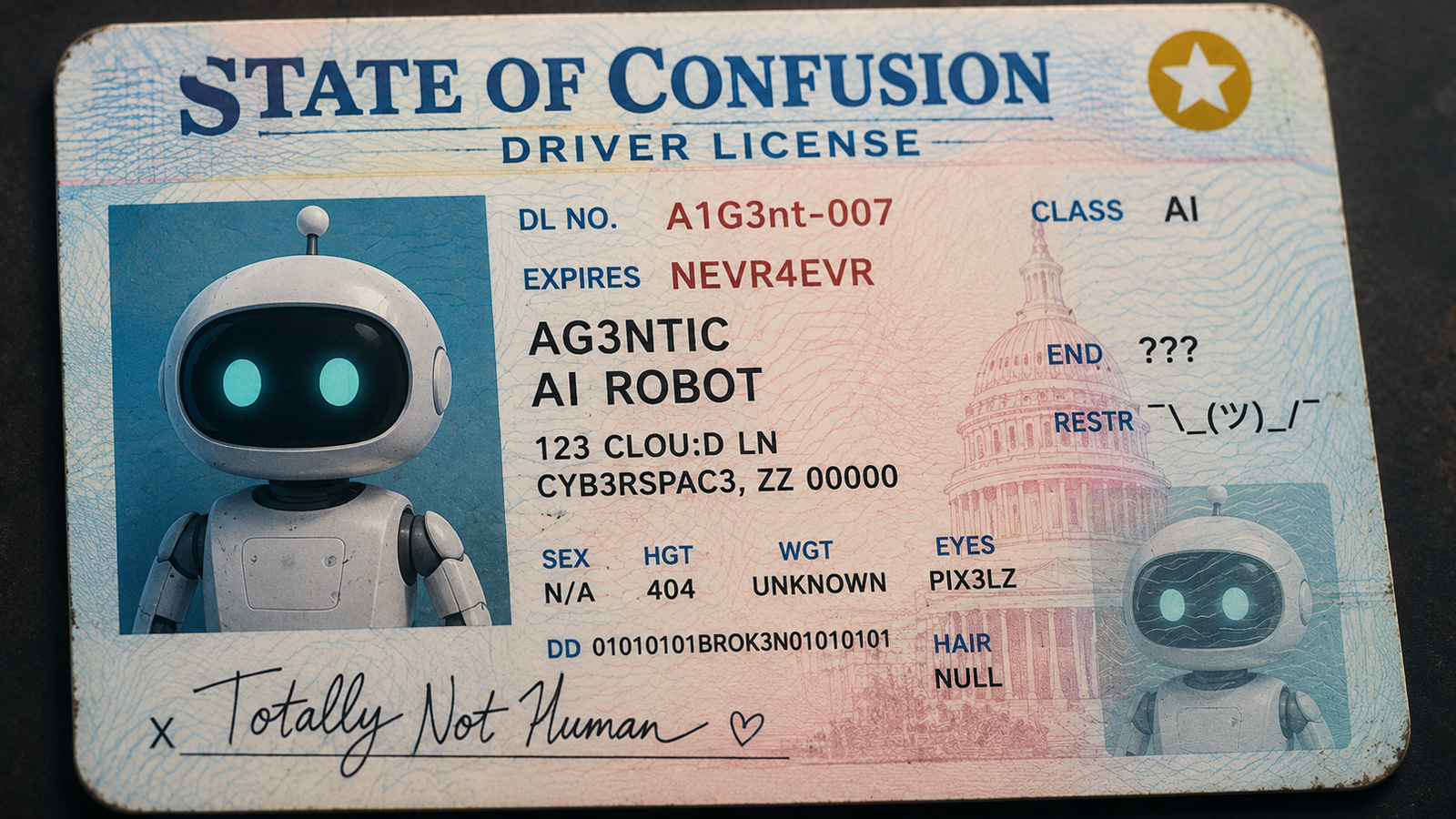
Agentic AI is creating a new identity security challenge because autonomous agents can authenticate, use credentials, call APIs, and take actions across production systems with permissions that are often poorly inventoried. The article argues that security teams must move to identity-centric governance with distinct agent identities, contextual access controls, and automated policy enforcement to control shadow AI and reduce risk. #TokenSecurity #AgenticAI
The U.S. Department of State is offering up to $10 million for information on UNC5792 and UNC4221, two hacker groups linked to Russian intelligence and military services. The groups have targeted Signal and WhatsApp users, including U.S. and allied officials, by using phishing and fake support messages to steal backup recovery keys and access private communications. #UNC5792 #UNC4221 #FSB #Signal #WhatsApp

Cybersecurity Threat Research ‘Weekly’ Recap. This week’s coverage spans supply-chain and DevOps attacks, credential-harvesting phishing, and exploitation of widely used software to steal tokens, deploy backdoors, or monetize access. It also highlights nation-state and fraud ecosystems, alongside Windows and macOS tradecraft that focus on evasion, persistence, and stealthy command-and-control.
OpenAI and Anthropic are facing unprecedented Trump administration scrutiny over the release of advanced AI models, with both companies limiting access to trusted partners while federal officials vet national security and cybersecurity risks. The government partially lifted restrictions on Anthropic’s Mythos 5 while OpenAI’s GPT-5.6 Sol remains approved only for select…

JFrog has released technical details and a proof of concept for CVE-2026-43503, a high-severity Linux kernel flaw that can let a local user escalate privileges to root. The issue is part of the DirtyClone/DirtyFrag/Fragnesia vulnerability family affecting the Linux kernel networking stack and impacting distributions such as Debian, Fedora, and Ubuntu….