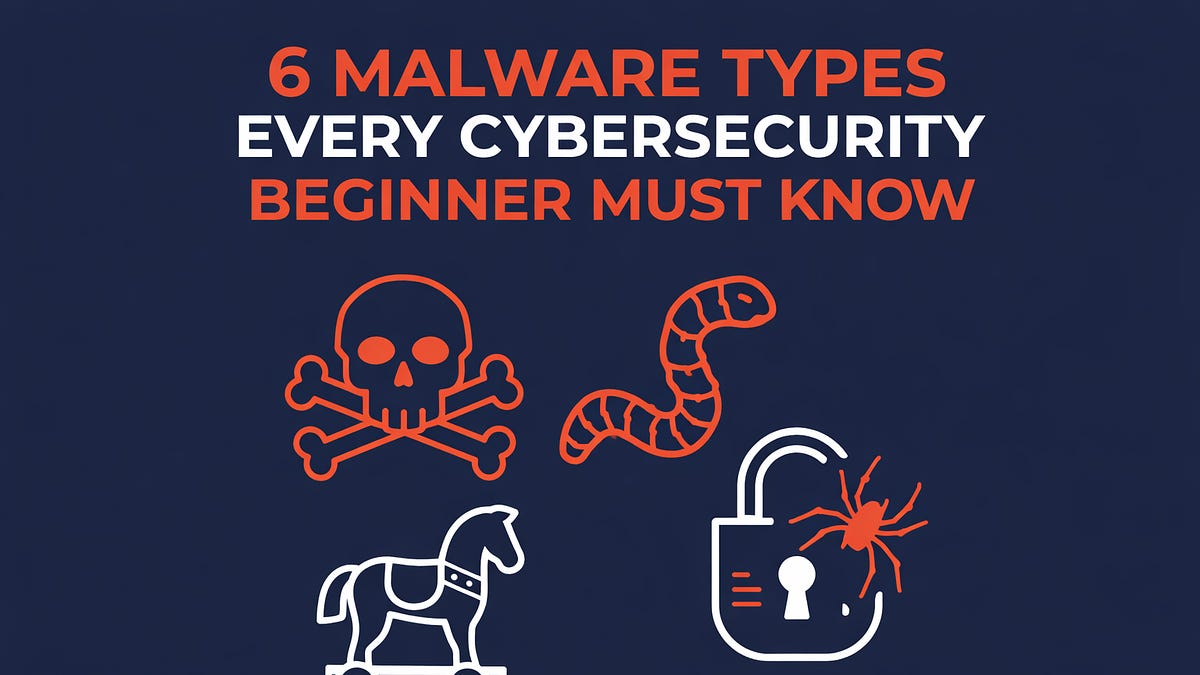
This article explains the differences between common malware types—virus, worm, trojan, rootkit, and fileless threats—and emphasizes why correctly identifying them matters for incident response and CISSP exam preparation. It also outlines typical infection vectors and basic defenses like backups, updates, and disabling macros. #Virus #Worm
Keypoints
- A virus attaches to files and requires user action to execute and spread.
- A worm self-replicates and can propagate across networks without human interaction.
- A trojan disguises itself as legitimate software and installs a backdoor for attackers.
- Ransomware encrypts data and demands payment; maintaining reliable backups is the best defense.
- Rootkits and fileless malware evade detection by hiding in the kernel or running only in memory using trusted system tools.
Read More: https://www.decodedsecurity.com/p/virus-vs-worm-the-malware-basics