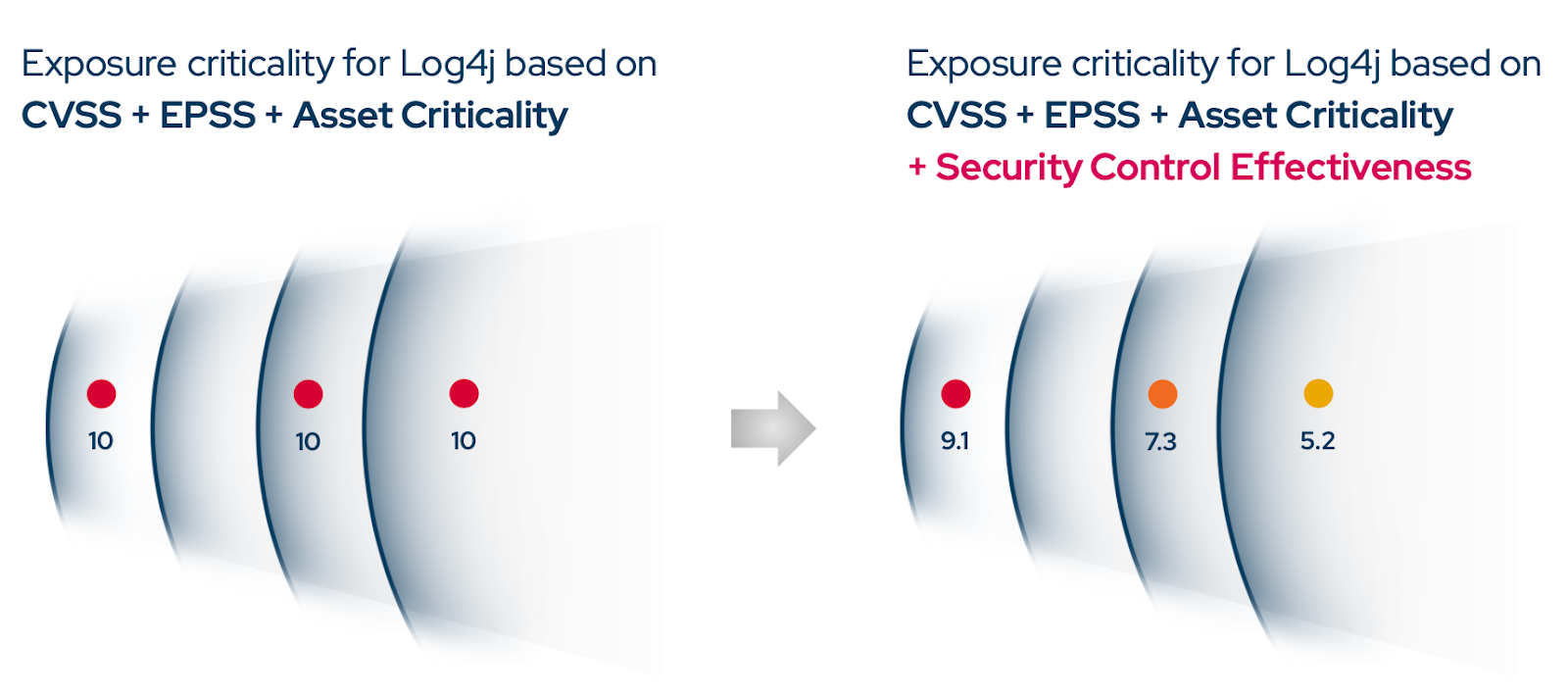
Automated Security Validation (ASV) continuously simulates real-world attacker tactics to validate whether flagged vulnerabilities are actually exploitable in an organization’s specific environment and to measure control effectiveness in real time. Adversarial Exposure Validation technologies—Breach and Attack Simulation (BAS) and Automated Penetration Testing (APT)—help reduce remediation backlogs, speed up MTTR, and provide continuous compliance and remediation validation with platforms such as Picus Security. #Log4j #PicusSecurity
Keypoints
- ASV runs continuous, automated simulations of adversary tactics to validate exploitability and control effectiveness rather than producing a static snapshot.
- Adversarial Exposure Validation (AEV) combines BAS and Automated Penetration Testing to prioritize only exploitable vulnerabilities and reduce remediation backlog.
- BAS maps simulations to MITRE ATT&CK and can both deprioritize non-exploitable findings (e.g., blocked by WAF) and surface chained misconfigurations that escalate risk.
- Automated Penetration Testing automates chaining vulnerabilities to reveal realistic attack paths and post-breach impacts (assume-breach testing).
- ASV closes the loop with remediation validation by re-running simulations to confirm fixes and reduce rollbacks and MTTR.
- ASV complements traditional methods (manual pentests, scanners, red teams) by providing broad continuous coverage while reserving human creativity for deep, complex analysis.
MITRE Techniques
- [T1190 ] Exploit Public-Facing Application – Used to simulate CVE-based initial access such as Log4j exploitation to determine real-world exploitability (‘initial access (via CVE exploitation)’)
- [T1566 ] Phishing – Simulated social-engineering initial access to test detection and incident response playbooks (‘“What if a particular employee clicks a phishing email?”’)
- [T1087 ] Account Discovery – Performed enumeration of accounts and privileges to identify attack paths and mismanaged identities (‘enumeration’)
- [T1021 ] Remote Services – Emulated lateral movement techniques across on-prem and cloud environments to validate segmentation and segmentation controls (‘lateral movement’)
- [T1558.001 ] Kerberoasting – Modeled credential abuse like Kerberoasting to test detection and privilege escalation risks (‘Kerberoasting’)
- [T1068 ] Exploitation for Privilege Escalation – Simulated privilege escalation scenarios through mismanaged identities and chained vulnerabilities (‘privilege escalation’)
- [T1041 ] Exfiltration Over C2 Channel – Simulated data exfiltration to validate detection and prevention controls for data theft (‘data exfiltration’)
- [T1486 ] Data Encrypted for Impact – Simulated ransomware payloads and impact to validate prevention, detection, and response controls (‘ransomware payloads’)
Indicators of Compromise
- [CVE/Vulnerability ] example context – Log4j (example used to demonstrate contextual exploitability and scoring: CVSS 10.0 reduced by control effectiveness), and other CVEs flagged by scanners.
- [Configuration / Misconfiguration ] cloud and identity issues – unsecured S3 bucket example (data exfiltration risk), permissive cloud IAM role example (identity exposure), and 1 more misconfiguration (Active Directory sync issue).
Read more: https://www.picussecurity.com/resource/blog/the-ultimate-guide-to-automated-security-validation-asv