UNC3886 is an advanced persistent threat group targeting critical infrastructure sectors such as telecommunications, government, and technology through exploitation of zero-day vulnerabilities and sophisticated malware like TinyShell and Reptile. The group employs advanced techniques including custom Linux rootkits and living-off-the-land tactics to maintain stealth and persistence in compromised networks. #UNC3886 #TinyShell #Reptile #Medusa #FortinetFortiOS #VMwarevCenter
Keypoints
- UNC3886 is a cyber espionage group active since late 2021, targeting critical infrastructure across Singapore, the US, and Europe.
- The group exploits high-impact zero-day vulnerabilities in network and virtualization devices such as VMware vCenter/ESXi, Fortinet FortiOS, and Juniper Junos OS.
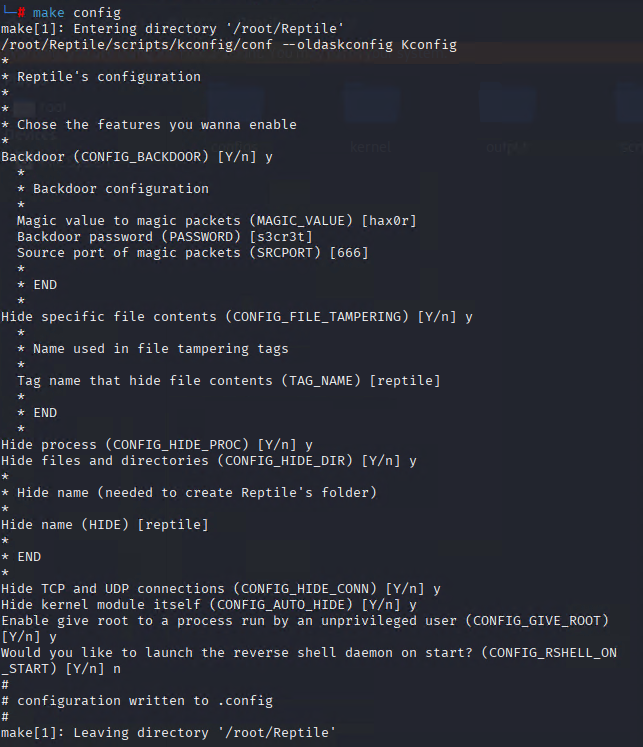
- UNC3886 uses custom malware including TinyShell (a Python-based remote access tool), Reptile and Medusa (Linux kernel rootkits) for stealthy persistence and defense evasion.
- The group employs advanced tactics such as exploiting public-facing applications, using valid accounts for persistence, remote access tools, and encrypted command and control channels.
- Several critical CVEs exploited by UNC3886 include CVE-2023-34048, CVE-2022-41328, and CVE-2022-22948, targeting VMware and Fortinet devices to gain remote code execution and file access.
- UNC3886 maintains persistence through techniques including backdoored SSH servers and rootkit-enabled hiding of processes, files, and network activity.
- Trend Vision One™ offers detection, blocking, and threat intelligence capabilities against UNC3886 operations and IoCs to enhance proactive defense.
MITRE Techniques
- [T1190] Exploit Public-Facing Application – UNC3886 uses exploitation of network and virtualization device vulnerabilities for initial access (‘Exploiting public-facing applications for initial access’).
- [T1078] Valid Accounts – The group maintains persistence by using legitimate accounts within compromised networks (‘Using valid accounts for persistence’).
- [T1219] Remote Access Software C2 – UNC3886 employs remote access tools such as TinyShell to control compromised hosts (‘Employing remote access tools for command and control’).
- [T1071] Application Layer Protocol – Utilized for command and control communication over established application protocols (‘Application layer protocol for C2’).
- [T1059.004] Command and Scripting Interpreter: Unix Shell – Execution of commands via Unix shell environments in target systems.
- [T1059.008] Command and Scripting Interpreter: Network Device CLI – Use of network device command lines for executing malware commands.
- [T1547] Boot or Logon Autostart Execution – Techniques to maintain persistence by launching malware at boot or logon.
- [T1562.003] Impair Defenses: Impair Command History Logging – Used to evade detection by disabling command logging (‘Impair command history logging’).
- [T1036.005] Masquerading: Match Legitimate Name or Location – Malware files disguise themselves as legitimate system files.
- [T1055.009] Process Injection: Proc Memory – Injection of malicious code into legitimate processes for stealth.
- [T1140] Deobfuscate/Decode Files or Information – Malware uses decoding routines to execute obfuscated payloads.
- [T1014] Rootkit – Deployment of kernel-level rootkits like Reptile and Medusa to hide malware presence (‘Rootkit usage to hide processes, files, and network connections’).
- [T1027] Obfuscated Files or Information – Use of obfuscation to hinder malware detection.
- [T1003] Credential Dumping – Extraction of credentials from compromised systems.
- [T1056] Input Capture – Techniques to capture input data including credentials.
- [T1563.001] Remote Service Session Hijacking: SSH Hijacking – Hijacking of SSH sessions to facilitate lateral movement.
- [T1041] Exfiltration Over C2 Channel – Data exfiltration through encrypted command and control channels.
- [T1573] Encrypted Channel – Use of encrypted communication channels to evade network detection.
- [T1090] Proxy – Using proxy techniques to disguise C2 communication.
- [T1205.002] Traffic Signaling: Socket Filters – Utilizing socket filters to signal traffic for remote control operations.
- [T1074] Data Staged – Preparing and staging data prior to exfiltration.
Indicators of Compromise
- [File Hashes] Malware and Rootkits – examples include TinyShell and Reptile binaries detected by Trend Vision One (hashes not specified, multiple variants referenced).
- [Domains/IP Addresses] Command and Control Servers – C2 infrastructure used by TinyShell, Medusa, and CastleTap backdoors (specific domains/IPs not listed).
- [File Names] Malware disguise – legitimate file mimicry such as ‘/bin/fgfm’ used by CastleTap on FortiGate firewalls.
- [CVE Identifiers] Vulnerabilities exploited – CVE-2023-34048 (VMware vCenter RCE), CVE-2022-41328 (Fortinet FortiOS path traversal), CVE-2022-22948 (VMware vCenter information disclosure), CVE-2023-20867 (VMware Tools privilege escalation), CVE-2022-42475 (Fortinet FortiOS heap overflow), CVE-2025–21590 (Juniper Junos OS kernel privilege escalation).