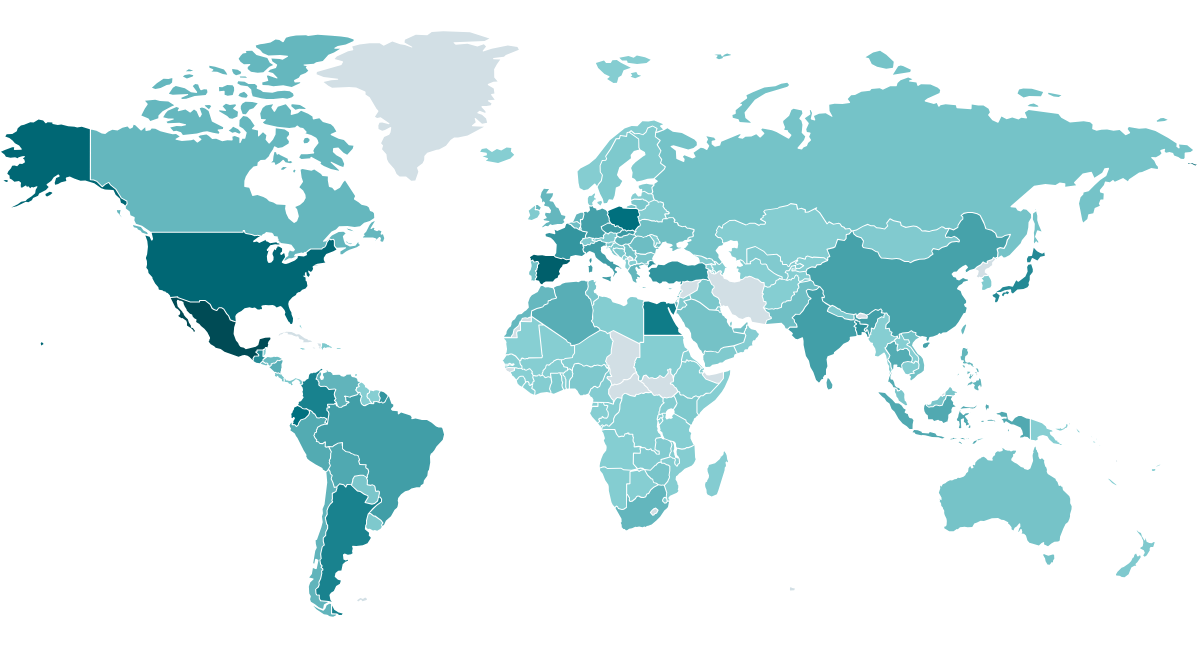
ESET collaborated with major cybersecurity firms in a global operation to disrupt the Lumma Stealer malware-as-a-service (MaaS) infostealer, effectively disabling much of its command-and-control infrastructure. The operation was supported by deep technical analysis of Lumma Stealer’s static and dynamic properties, revealing its extensive evolution and sophisticated obfuscation techniques. #LummaStealer #ESET #MalwareDisruption
Keypoints
- ESET joined a global coordinated effort with Microsoft, BitSight, Lumen, Cloudflare, CleanDNS, and GMO Registry to disrupt Lumma Stealer’s infrastructure and cut off its data exfiltration network.
- Analysis of tens of thousands of malware samples enabled extraction of key static identifiers such as C&C server domains and affiliate IDs, critical for tracking and disruption.
- Lumma Stealer operated under a tiered malware-as-a-service (MaaS) subscription model with various feature sets, including a Telegram marketplace for selling stolen data without intermediaries.
- The malware’s infrastructure actively evolved, employing over 3,300 unique command-and-control domains in less than a year, protected by strong encryption (XOR, base64, then ChaCha20).
- Backup dead-drop resolvers using dummy Steam profiles and Telegram channels provided resilient fallback communication methods for C&C URLs.
- Lumma Stealer collected extensive victim data including browser credentials, cookies, password manager data, VPN clients, and cryptocurrency wallets, guided by dynamic configurations.
- Strong anti-analysis obfuscation techniques such as indirect control flow flattening, encrypted stack strings, and runtime API hashing hindered malware reverse engineering.
MITRE Techniques
- [T1587.001] Develop Capabilities: Malware – Lumma Stealer operators actively developed and enhanced the malware to maintain service quality (“Lumma Stealer operators actively developed their malware as a product for their service.”)
- [T1583.001] Acquire Infrastructure: Domains – Operators registered numerous C&C domains to support exfiltration infrastructure (“Lumma Stealer operators registered domains for their exfiltration infrastructure.”)
- [T1583.006] Acquire Infrastructure: Web Services – Utilization of Cloudflare and public services for hiding real C&C servers (“Lumma Stealer used Cloudflare services to hide their infrastructure… hidden in dummy Steam profiles or Telegram channels.”)
- [T1059.003] Command-Line Interface: Windows Command Shell – Execution of cmd.exe for cleanup tasks (“Lumma Stealer executes cmd.exe to delete temporary files.”)
- [T1106] Native API – Usage of Windows API calls such as VirtualAlloc and LoadLibraryA within malware operations.
- [T1204.001] User Execution: Malicious Link – Offering LNK packing features to facilitate execution by victims (“Lumma Stealer operators offer a simple LNK packing feature for their malware builds.”)
- [T1047] Windows Management Instrumentation – Using WMI queries to gather system information about the victim machine.
- [T1622] Debugger Evasion – Checking for presence of debugging tools to evade analysis.
- [T1140] Deobfuscate/Decode Files or Information – ChaCha20 encryption used to protect C&C lists and dynamic configurations (“Lumma Stealer uses ChaCha20 for C&C list and dynamic config encryption.”)
- [T1027.007] Obfuscated Files or Information: Dynamic API Resolution – Resolving imports at runtime using FNV-1a hashing with custom parameters.
- [T1027.013] Obfuscated Files or Information: Encrypted/Encoded File – Encrypting important strings via stack strings or ChaCha20 to hinder static analysis.
- [T1555.003] Credentials from Password Stores: Credentials from Web Browsers – Harvesting web browser stored credentials from multiple browsers.
- [T1539] Steal Web Session Cookie – Stealing session cookies for hijacking web sessions.
- [T1217] Browser Bookmark Discovery – Collecting information on victim’s installed browsers.
- [T1012] Query Registry – Querying Windows registry to collect installed software data.
- [T1057] Process Discovery – Sending process lists to C&C servers.
- [T1518] Software Discovery – Reporting installed software to the malware operators.
- [T1082] System Information Discovery – Exfiltrating system info including hostname and OS versions.
- [T1124] System Time Discovery – Retrieving system time and time zone information.
- [T1560] Archive Collected Data – Compressing collected data before exfiltration.
- [T1119] Automated Collection – Fully automated data collection guided by downloaded configurations.
- [T1113] Screen Capture – Taking screenshots based on dynamic config parameters.
- [T1005] Data from Local System – Collecting local files and application data.
- [T1071.001] Application Layer Protocol: Web Protocols – Communication with C&C servers over HTTPS.
- [T1132.001] Data Encoding: Standard Encoding – Use of base64 encoding for C&C configuration retrieval.
- [T1573.001] Encrypted Channel: Symmetric Cryptography – Use of ChaCha20 encryption alongside HTTPS.
- [T1008] Fallback Channels – Backup communication channels via dead-drop resolvers.
- [T1102.001] Web Service: Dead Drop Resolver – Use of public web services (Steam profiles, Telegram channels) to retrieve C&C info.
- [T1020] Automated Exfiltration – Automated credential and data exfiltration over C&C.
- [T1041] Exfiltration Over C2 Channel – Data exfiltration conducted via the C&C communication channel.
Indicators of Compromise
- [SHA-1 Hashes] Example Lumma Stealer sample hashes – 6F94CFAABB19491F2B8E719D74AD032D4BEB3F29 (AcroRd32.exe, build 2024-06-27), C5D3278284666863D7587F1B31B06F407C592AC4 (Notion.exe, build 2024-07-14), and 12 more hashes.
- [Domain Names] Lumma Stealer C&C domains hosted on Cloudflare – cooperatvassquaidmew[.]xyz, crisisrottenyjs[.]xyz, exuberanttjdkwo[.]xyz, and dozens more used for command and control.
- [IP Addresses] Example Lumma Stealer C&C IPs – 172.67.134[.]100, 172.67.175[.]165 (both Cloudflare hosted), and multiple other IP addresses identified from 2024-06 through 2025-04.
- [Dead-drop Resolvers] Steam profile and Telegram-based dead-drop URLs – steamcommunity[.]com (Akamai-hosted), Telegram channels used to fetch backup C&C URLs encrypted with ROT11 cipher.