
Cisco has patched CVE-2026-20349, a zero-day in Secure Firewall ASA and FTD software that can let a remote unauthenticated attacker trigger a reload and denial of service through a crafted HTTP request to the Remote Access SSL VPN service. Cisco said the flaw was actively exploited in August 2026, and CISA…
Category: Cyber Security News
Hackers linked to Sandworm, also tracked as APT44 and UAC-0145, are luring system administrators and IT professionals with fake job offers to deliver malicious WireGuard-based tooling. The campaign uses recruiter impersonation, Telegram, Zoom interviews, and trojanized VPN software to run PowerShell payloads and steal access. #Sandworm #APT44 #UAC-0145 #WireGuard #SopraSteria #SourceForge

DeadLock ransomware uses a decentralized setup with the Polygon blockchain, Session, and Wasabi to hide communication, store leak-site data, and make takedowns harder. Microsoft says the operation, active since mid-2025, has hit 80 organizations across multiple sectors and relies on double extortion with a .dlock encryptor and ransom demands in Bitcoin or Monero. #DeadLock #Polygon #Session #Wasabi

Google says Chrome’s anti-abuse systems cut unwanted Android notifications by more than 7 billion per day in Q1 2026. The company is using layered defenses, automatic permission revocations, and network-wide analysis to stop deceptive notification abuse tied to scams, phishing, malware, and fraudulent payment requests. #Chrome #Google #Android

AnMed is still dealing with widespread disruption two weeks after a cyberattack, while its Facebook page briefly displayed ransom demands linked to the The Gentlemen ransomware group before being removed. The group claimed to have stolen 6 terabytes of sensitive health data, but AnMed has not verified those claims and says…
The National Security Agency has appointed Kerianne Tobitsch as its new general counsel, filling a role that had been vacant for about a year after a series of high-level departures. Her appointment comes as the agency prepares for key legal and policy battles, including the renewal of Section 702 of FISA….

A set of Zoom annotation-tool flaws could let a meeting participant take over other attendees’ computers, with no click or visible prompt required. Zoom had already shipped fixes in June and July, and the issues are tracked as CVE-2026-53413, CVE-2026-53414, and CVE-2026-53415. #Zoom #CVE-2026-53413 #CVE-2026-53414 #CVE-2026-53415 #A_Security…

Researchers uncovered Kimwolf v7, a new version of the Kimwolf/AISURU Android and IoT botnet that adds browser-like HTTP/2 DDoS flooding and more resilient command-and-control infrastructure. The malware now relies on Ethereum Name Service, a hard-coded Tor hidden service, and a local proxy while shifting propagation duties to an external loader and…

Microsoft’s latest Patch Tuesday fixes an actively exploited Windows kernel driver flaw, CVE-2026-68820, which can let an attacker escalate to SYSTEM. It also closes four unauthenticated 9.8-rated remote code execution bugs in Windows DNS Server, Windows Deployment Services, Microsoft QUIC, and HPC Pack, plus the remaining half of a SharePoint attack…
Microsoft released fixes for 421 CVEs in its August 2026 Patch Tuesday, including CVE-2026-68820, a zero-day in afd.sys that attackers are using to gain SYSTEM privileges. The update also addresses several publicly disclosed local privilege escalation and remote code execution issues across Windows, Exchange Server, and other Microsoft products. #CVE-2026-68820 #afd.sys…
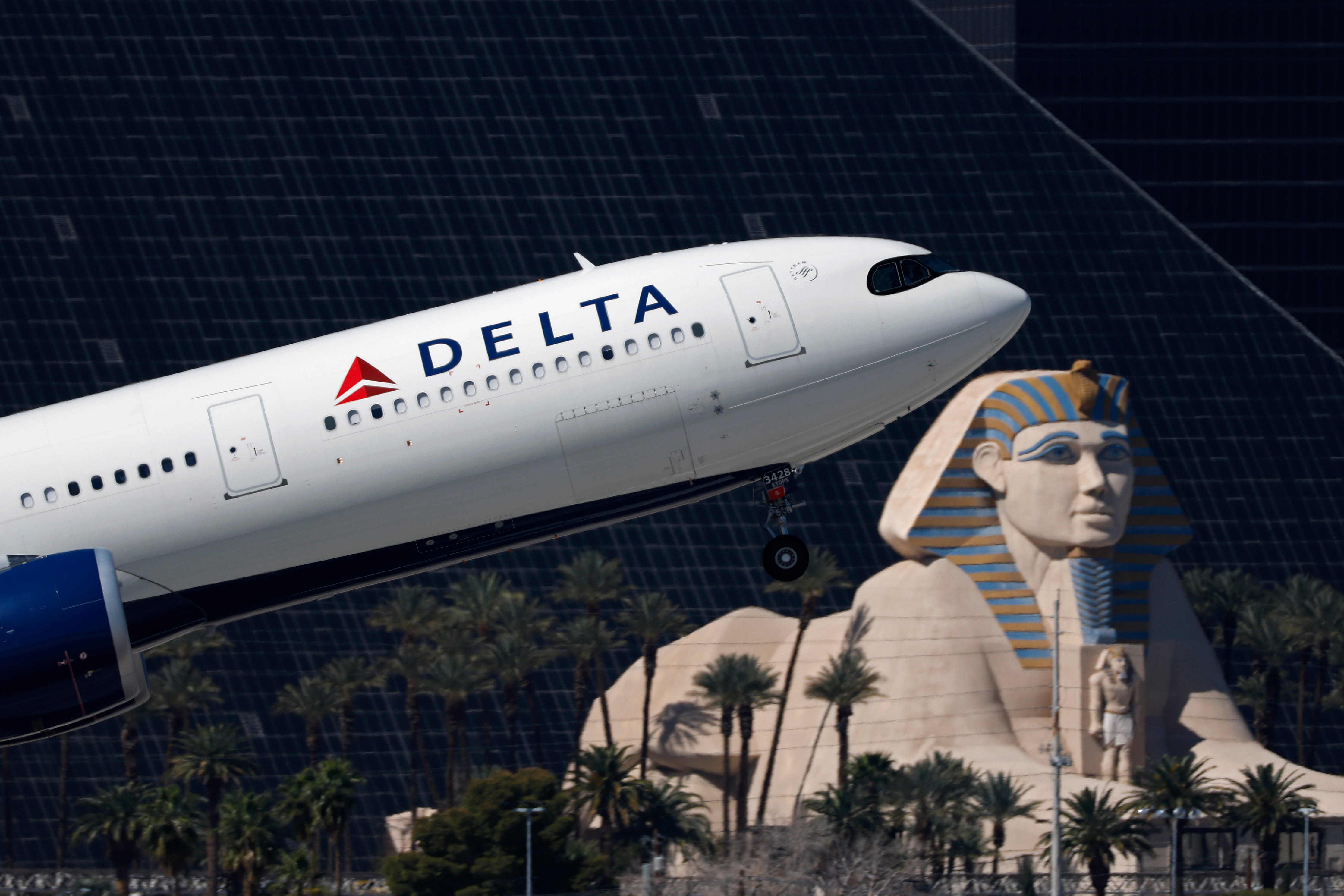
Delta Airlines is investigating a Monday flight incident in which a passenger allegedly used an unidentified device to spoof the airline’s in-flight Wi-Fi network, causing major delays. Authorities and federal agencies are aware of the case, which resembles an evil twin attack and comes amid reports of similar Wi-Fi deauthentication attacks at DEF CON. #DeltaAirlines #DEFCON #FBI #FAA
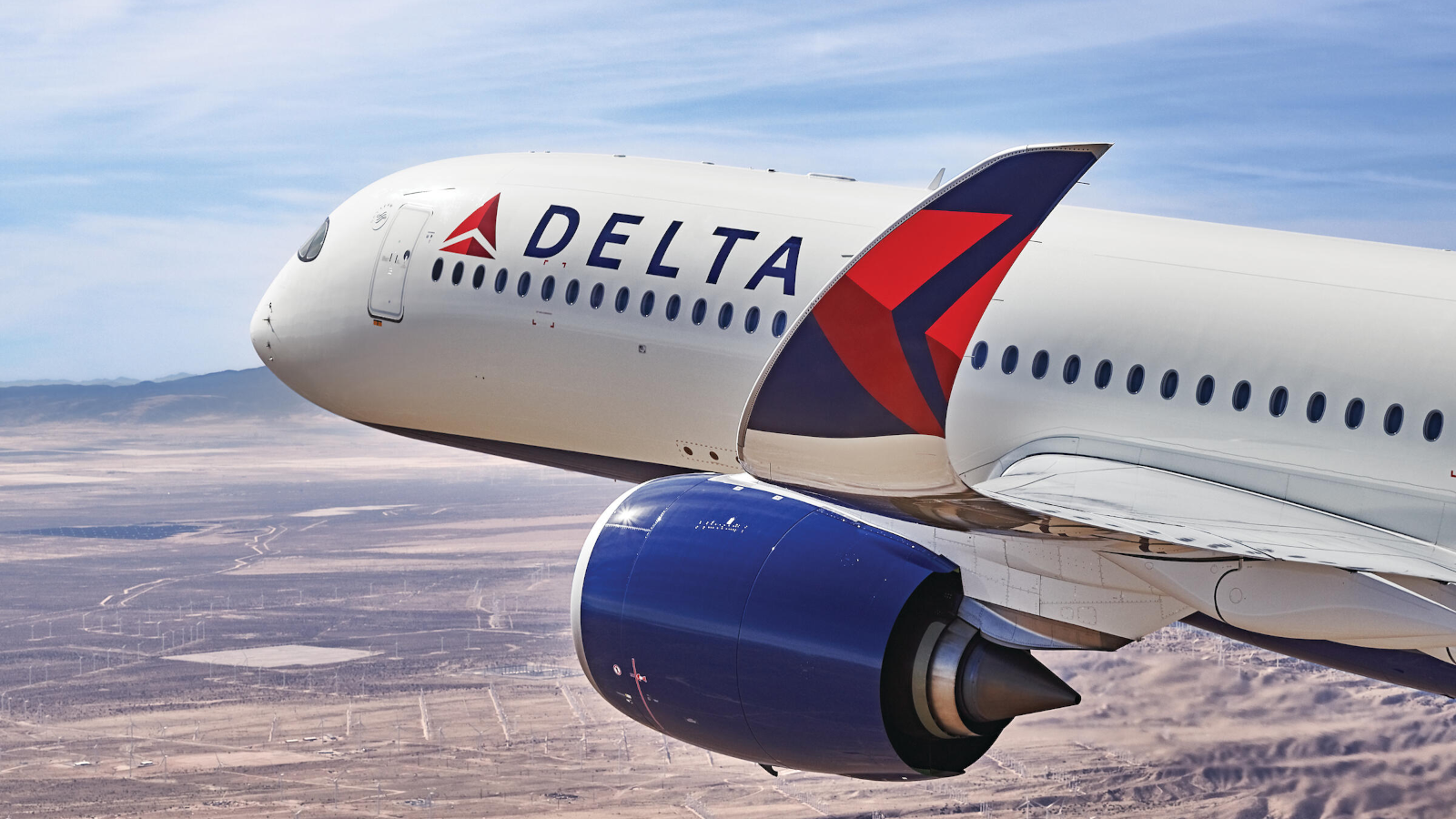
Delta Air Lines is investigating an unauthorized Wi-Fi network that appeared briefly aboard Flight 591 from Las Vegas to Atlanta, reportedly linked to passengers who had attended DEF CON 34. The incident did not affect flight safety, and Delta said it will work with federal law enforcement and aviation regulators to investigate the event. #DeltaAirLines #DEFCON34 #Flight591

Cisco says CVE-2026-20349 is a high-severity flaw in Secure Firewall ASA and FTD software that is being actively exploited to remotely crash affected devices. The issue affects certain VPN and remote access configurations, has no workaround, and requires upgrading to a fixed release; Cisco has also released hot fixes for multiple ASA and FTD versions. #Cisco #CVE-2026-20349 #SecureFirewallASA #SecureFirewallFTD

AI governance is becoming a CEO-level responsibility because internal policies, fragmented regulations, and evolving threats like deepfakes are moving faster than many organizations can respond. Leaders should build adaptive oversight now by improving risk visibility, flexible governance, and incident-response readiness instead of waiting for clearer rules. #AIgovernance #deepfakes #disinformation…
Zoom has released patches for four vulnerabilities across its products, including CVE-2026-53413, a severe zero-click RCE flaw in the annotator function that could let an attacker take over another participant’s machine. The updates also address CVE-2026-53414, CVE-2026-53415, and CVE-2026-53416, affecting Zoom Workplace, Rooms, Meeting SDK, and VDI components. #Zoom #CVE-2026-53413 #CVE-2026-53414…