
Daily Recap, Microsoft is rolling out preview builds to Beta/Dev Insiders to fix bright white flashes in File Explorer on Windows 11 and provide patches (KB5079382, KB5079385) alongside KB5070311 and PowerShell workarounds for Explorer crashes. The update also highlights a critical unauthenticated Nginx UI flaw (CVE-2026-27944, CVSS 9.8) that can expose server backups and AES-256 keys via the X-Backup-Security header, plus notes on .arpa abuse by threat actors using Cloudflare and Hurricane Electric, and PSD2-guided phishing refunds, with the latest threat research weekly roundup dated 08 Mar 2026. #Windows11 #FileExplorer #NginxUI #arpa #Cloudflare #HurricaneElectric #PSD2
Category: Cyber Security News

CISA added three vulnerabilities — CVE-2021-22054, CVE-2025-26399, and CVE-2026-1603 — to its Known Exploited Vulnerabilities catalog after evidence of active exploitation. The list includes a SolarWinds Web Help Desk deserialization flaw tied to the Warlock group, an SSRF in Omnissa Workspace One UEM, and an Ivanti Endpoint Manager authentication bypass, with…

Researchers have observed a sharp increase in Chinese-nexus APT operations rapidly pivoting to exploit regional instability, with a clear near-immediate focus on Qatar following recent escalations. Notably, Camaro Dragon launched Operation Epic Fury deploying a PlugX variant via ZIP→LNK→DLL hijack and a separate campaign used a Rust-based loader to hijack nvdaHelperRemote.dll…

Cylake launched last week with $45 million in seed funding to develop an AI-native security platform tailored for organizations that cannot rely on public cloud services. The company, co-founded by Nir Zuk, Wilson Xu, and Ehud Shamir and backed by Greylock Partners, plans general availability in early 2027 with a focus…

India’s technology industry body NASSCOM has urged member companies to heighten vigilance and strengthen operational and cyber resilience amid the evolving West Asia conflict and its potential impact on the Middle East. The advisory emphasizes reviewing business continuity plans, prioritizing employee safety, hardening infrastructure and access controls, auditing vendors, and preparing…

AI chatbots have been found recommending and comparing unlicensed offshore gambling sites, including bonuses, fast payouts, and ways to access them. These automated recommendations can steer vulnerable users toward illegal online casinos with little consumer protection, raising regulatory and mental-health concerns. #IllegalOnlineCasinos #AIChatbots…

UNC4899, a North Korean state-sponsored threat actor, is suspected of a sophisticated 2025 cloud compromise that stole millions from a cryptocurrency organization. The attackers used social engineering and personal-to-corporate P2P transfers to compromise a developer, then pivoted to the cloud—abusing DevOps workflows, Kubernetes, and Cloud SQL to harvest credentials, tamper with…

Researchers uncovered a malicious npm package, @openclaw-ai/openclawai, that impersonates an OpenClaw installer to deploy a remote access trojan and exfiltrate sensitive data from macOS hosts. The payload, internally identified as GhostLoader, uses a fake CLI and iCloud Keychain prompt to harvest system passwords, install a persistent RAT with SOCKS5 and browser…

The Trump administration issued an executive order directing a whole-of-government effort to disrupt transnational criminal organizations and scam centers, requiring agencies to produce a 120-day action plan and establishing a Victim Restoration Program to return seized funds to victims. The order also creates an operational cell within the National Coordination Center,…
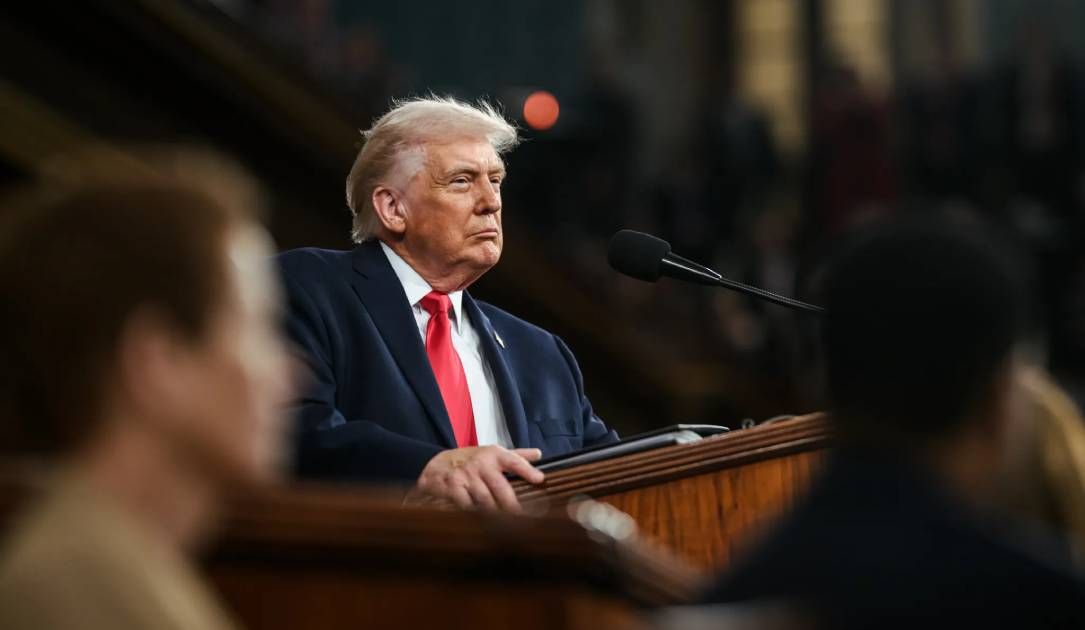
The White House released a four-page National Cyber Strategy outlining the Trump administration’s goals to pursue more offensive cyber operations, reduce regulatory burdens, harden federal networks and secure AI and critical infrastructure. National Cyber Director Sean Cairncross pledged to “impose costs” on nation-state actors and cybercriminals and launch pilot programs and…

Hackers are rapidly weaponizing newly disclosed third‑party software flaws to gain initial access to cloud environments, shrinking the exploitation window from weeks to just days. State-sponsored and financially motivated actors are increasingly using bug exploits, supply‑chain compromises, and compromised identities to silently exfiltrate data and maintain long-term access #React2Shell #UNC4899

Write 2 sentences summarizing the content. At the end, add hashtags for specific keywords mentioned in the article—such as names of malware, threat actors, or affected organizations/systems. Avoid general terms like #malware, #ransomware, or #cybersecurity. Use this format: #Keyword1 #Keyword2
Senators voted 68-28 to invoke cloture on President Trump’s nominee, Army Lt. Gen. Joshua Rudd, moving him one step from confirmation to lead U.S. Cyber Command and the National Security Agency. Despite bipartisan committee support, Sen. Ron Wyden has vowed to block the nomination over concerns Rudd lacks signals-intelligence experience during…

Zscaler ThreatLabz uncovered a persistent espionage campaign targeting Iraqi government officials attributed with medium-to-high confidence to an Iran-nexus actor dubbed Dust Specter, which uses previously undocumented .NET droppers, backdoors, and a custom RAT for data theft and remote access. The group hijacked Iraqi government infrastructure—notably ca.iq—to host malicious payloads and employs…

The Threat Hunter Team reports a surge in cyberespionage by Iranian-linked APT Seedworm targeting multiple U.S. organizations and companies—often those with ties to Israel—since early February 2026. Researchers uncovered a previously undocumented backdoor named Dindoor across several victims, while hacktivist group Handala has used partial data leaks to amplify attacks, elevating…