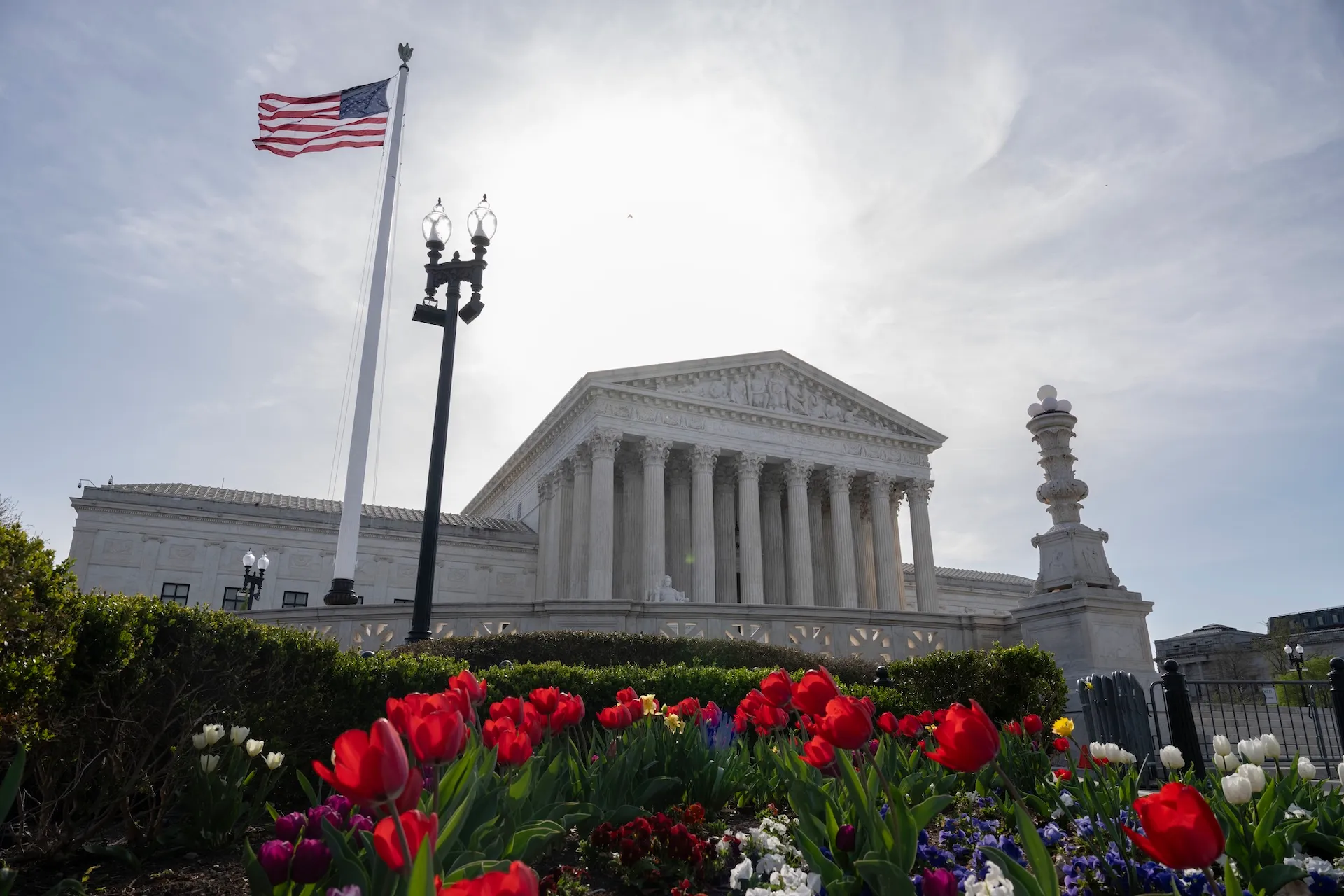
The Supreme Court will hear Chatrie v. The United States to decide whether geofence warrants that collect bulk location data from companies with a single warrant violate the Fourth Amendment. The case could redefine privacy protections for remotely stored digital records like Google Location History and determine how courts apply the good-faith exception. #Chatrie #GeofenceWarrant
Keypoints
- The Court will address whether geofence warrants that compel broad location data sweeps are constitutional.
- Okello Chatrie was convicted after police used a geofence warrant to obtain Google data from a one-hour, 17.5-acre window.
- Civil liberties groups and some technology advocates argue such warrants threaten privacy, while the government relies on third-party doctrine and consent arguments.
- Lower courts are split, and some allowed evidence under a “good faith” exception even when finding warrants insufficiently specific.
- A Supreme Court ruling could affect protections for Google Location History and other remotely stored digital records nationwide.
Read More: https://cyberscoop.com/supreme-court-geofence-warrants-chatrie-case/