![Cybersecurity News | Daily Recap [08 Oct 2026]](https://www.hendryadrian.com/tweet/image/DailyRecap.png "Cybersecurity News | Daily Recap [08 Oct 2026]")
Please provide the list of cybersecurity news items you want included in the “Daily Recap,” and I’ll convert them into a 2-sentence English summary that starts with “Daily Recap, ” and ends with precise hashtags for the specific malware, threat actors, and affected organizations/systems mentioned. Once you share the news items (or paste the article text), I’ll extract the relevant names/keywords and format the hashtags as #Keyword1 #Keyword2 without using broad tags like #malware, #ransomware, or #cybersecurity.
Category: Cyber Security News

Anthropic has launched OSS Scanner, an opt-in AI vulnerability scanning service for open-source projects that uses its strongest models to generate automated security reports without human review. The initiative is part of Anthropic’s broader effort to strengthen critical infrastructure and open-source software while helping defenders find and fix flaws faster. #Anthropic…

Researchers published the AnyPwn exploit for a pre-authentication remote code execution flaw in AnyDesk Linux that can lead to root access before a connection is approved. AnyDesk fixed the issue in version 8.0.3, but the bug was initially disclosed without a CVE or formal security advisory, and the exploit targets AnyDesk…

Four U.S. states sued TP-Link Systems, accusing it of misleading consumers about router security and its separation from China, while TP-Link denied the claims and said it will fight them in court. The complaints also cite exploited flaws in TP-Link devices, state-backed hacking activity, and a new FCC approval push for…

The FBI seized seven domains used by Microscan and FishHub, two hacking tools tied to Chinese state-sponsored hackers known as Flax Typhoon and linked to Integrity Technology Group. The tools were used to scan and compromise organizations worldwide, including U.S. critical infrastructure, Taiwanese universities, and airports in Japan and Poland. #FlaxTyphoon #IntegrityTechnologyGroup #Microscan #FishHub

Anthropic’s OSS Scanner is a free AI-powered service that scans open-source projects for security vulnerabilities and sends maintainers detailed reports with reproduction steps and, when possible, fixes. The service builds on Project Glasswing and aims to speed up disclosure while leaving project teams responsible for validating and prioritizing findings. #Anthropic #OSSScanner #ProjectGlasswing #Claude #OpenSSL
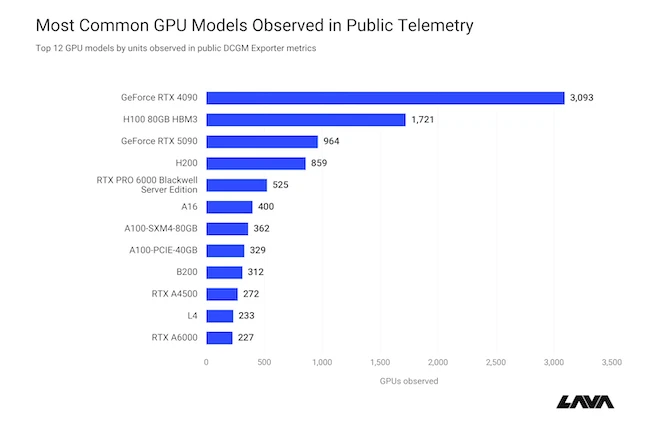
Hundreds of internet-exposed GPU servers were found running vulnerable NVIDIA DCGM Exporter instances affected by CVE-2026-47483, which can be crashed by unauthenticated attackers and may disrupt AI workloads. The exposed monitoring services also leaked detailed GPU, server, and network information across thousands of systems, with impacts seen in environments tied to NVIDIA, Voltage Park, and other providers. #NVIDIA #DCGMExporter #CVE2026-47483 #VoltagePark

Hackers are actively exploiting two unpatched AhsayCBS vulnerabilities, CVE-2026-105133 and CVE-2026-105134, to achieve unauthenticated remote code execution, deploy webshells, and gain persistence on exposed systems. Huntress says at least five organizations have been targeted, with attackers also installing XMRig miners, abusing a vulnerable driver, and disguising malicious components as Microsoft Edge….

Google said several of its domains were affected by a hijack of third-party ccTLDs, including .gh, .sl, and .as, which allowed attackers to alter DNS records and obtain unauthorized HTTPS certificates. The company blocked the certificates in Chrome, worked with CAs to revoke them, and urged domain owners to monitor Certificate…

This week’s roundup covers malware, supply chain abuse, exposed infrastructure, and high-profile criminal cases, including PoeLLM, GhostAction, and a compromised Tensorlake npm SDK. It also highlights notable developments involving CISA, Nvidia DCGM Exporter, South Korean bank attacks, and the sentencing of the Empire Market co-founder. #PoeLLM #GhostAction #Tensorlake #CISA #Nvidia #DCGMExporter…

BPFDoor is a stealthy Linux backdoor that waits for a “magic packet,” making it unusually hard to detect and especially dangerous in telecom and edge-device environments. Christiaan Beek of Rapid7 Intelligence explains why attackers target mail gateways, VPNs, and other appliances, and how CISOs should report visibility gaps honestly to the board. #BPFDoor #Rapid7Intelligence #Linux

September 2026 Patch Tuesday set a Microsoft record with 973 CVEs addressed, while only two vulnerabilities were known exploited and none were publicly disclosed. The update roundup also highlighted Office end-of-support migration issues, Apple’s macOS 27 Golden Gate release with a zero-day fix, and Windows 11 26H2 arriving alongside other important Microsoft fixes and upcoming support cutoffs. #CVE-2026-85880 #CVE-2026-81963 #KB5002907 #CVE-2026-86950 #Windows11 26H2 #Office2016 #Office2019 #macOS27 #GoldenGate
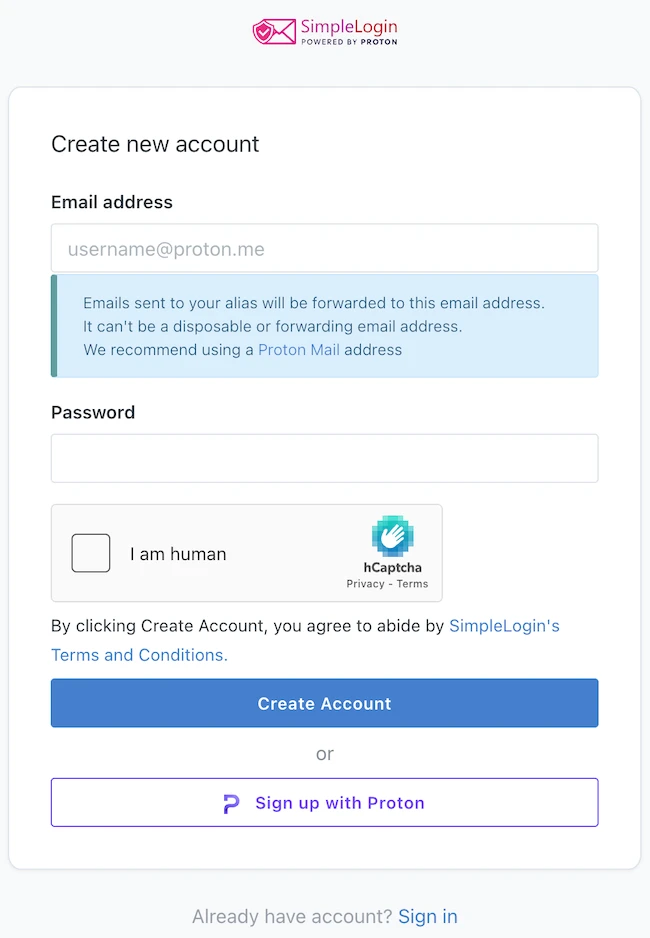
SimpleLogin, a Proton email alias service, lets users create separate forwarding addresses to protect their primary inbox, reduce tracking across websites, and manage unwanted messages more easily. In testing, alias creation, forwarding, and replies worked smoothly, with support for browser extensions, mobile apps, and strong account security options. #SimpleLogin #Proton

Pwn2Own Ireland 2026 ended with researchers earning more than $1.2 million for exploits against phones, printers, smart speakers, smart home hubs, AI infrastructure, coding tools, and cloud databases. Google Pixel 10 hacks brought in the biggest payouts, while Sonos, Oracle, OpenAI Codex, Nvidia Dynamo, LiteLLM, Philips Hue Bridge Pro, Samsung Galaxy…

Citrix has warned that a critical NetScaler flaw, tracked as CVE-2026-107406, could enable remote code execution or denial-of-service and needs immediate patching. The issue affects certain NetScaler ADC, NetScaler Gateway, and Secure Private Access Hybrid deployments, and Citrix says no unmitigated exploits are known at this time. #Citrix #NetScaler #CVE-2026-107406…