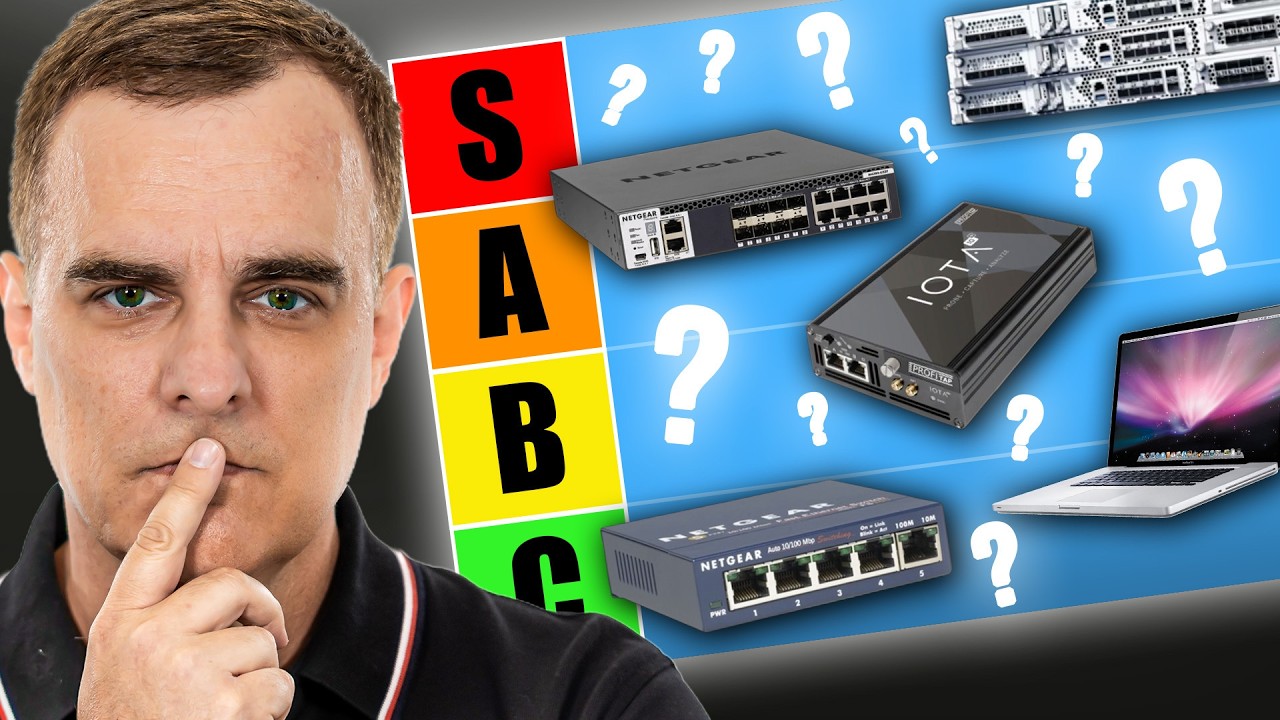
This video discusses various methods for capturing network traffic, highlighting the advantages and disadvantages of each approach, from hubs to high-performance taps. The experts emphasize that while simple solutions like hubs can work in specific scenarios, professional-grade taps provide the most accurate and reliable data for network analysis. #PacketCaptures #NetworkMonitoring #Taps #SwitchSpanning
Keypoints :
- Hubs are outdated but can be used for simple packet capturing, though they operate at half duplex and 10/100 Mbps speeds.
- Managed switches with port mirroring (SPAN) are common tools for traffic capturing, offering a cost-effective B-tier solution but can be overwhelmed by high traffic volumes.
- Inline capture on network devices like firewalls or routers is possible but limited by device buffer sizes and may affect device performance, rated as C-tier.
- Capturing traffic directly on the device (e.g., laptops using Wireshark) is easy and versatile, earning an A-tier rating despite potential issues like system-imposed packet segmentation.
- High-performance dedicated taps (e.g., Profit Tap) are considered S-tier for their ability to perform accurate, line-rate, lossless packet captures at high speeds with precise timestamping.
- Each method has specific use cases, with professional-level taps preferred for in-depth, reliable analysis in high-throughput environments.
- The choice of method depends on environment needs, budget, and desired data accuracy, with the tap being the optimal solution if budget permits.
- Youtube Video: https://www.youtube.com/watch?v=pJBAPclZtfo
- Youtube Channel: David Bombal
- Youtube Published: Sun, 25 May 2025 13:30:42 +0000